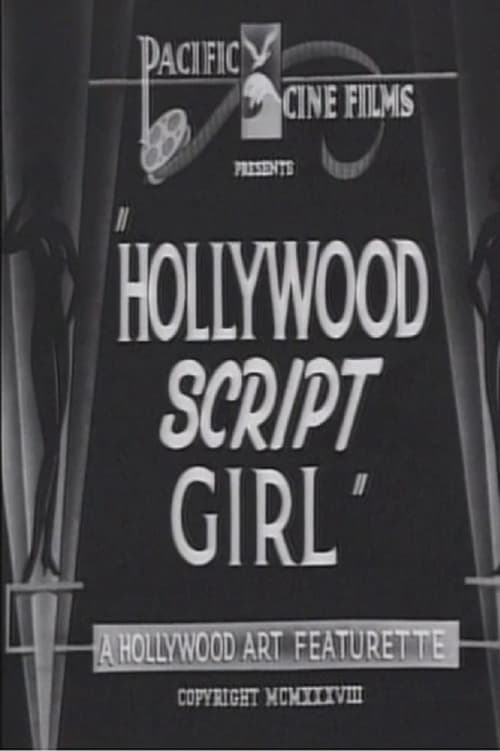
Script Girl
1938
No user ratings available yet
Diversity score: 1.8 out of 10

1947
NRDirector
George Marshall
Runtime
93 minutes
Average Rating
No ratings yetSynopsis
Dozens of star and character-actor cameos and a message about the Variety Club (a show-business charity) are woven into a framework about two hopeful young ladies who come to Hollywood, exchange identities, and cause comic confusion (with slapstick interludes) throughout the Paramount studio.
Overall Score
Minimal
Category Breakdown
LGBTQ+ Representation
The film adheres to 1940s studio constraints, offering no non-heteronormative identities or same-sex intimacy. The narrative focuses entirely on traditional romantic pursuits.
Gender Representation
Female protagonists drive the plot through identity exchanges, yet their agency remains tied to romantic resolution. The comedy relies on conventional gendered archetypes and expectations.
Racial & Ethnic Diversity
The cast is predominantly homogeneous, reflecting the era's Anglo-Saxon social norms. There is no evidence of significant minority representation or color-blind casting.
Religious & Cultural Diversity
The film celebrates the entertainment industry and the Variety Club charity. It promotes a pro-establishment worldview centered on mid-century institutional values.
Disability Representation
There are no characters with visible or invisible disabilities. The film lacks any engagement with neurodivergent representation or disability as a narrative device.
Strengths
Areas for Improvement
AI Analysis
Variety Girl serves as a quintessential product of the mid-century studio era, functioning more as a celebratory piece for the industry than a diverse narrative. While it centers on female characters, their roles are largely confined to traditional tropes of charm and performance. The film reinforces existing social hierarchies and mid-century stability. It lacks the intentionality to disrupt established norms, resulting in a homogeneous portrayal of identity that reflects the systemic constraints of 1947 Hollywood.
1938
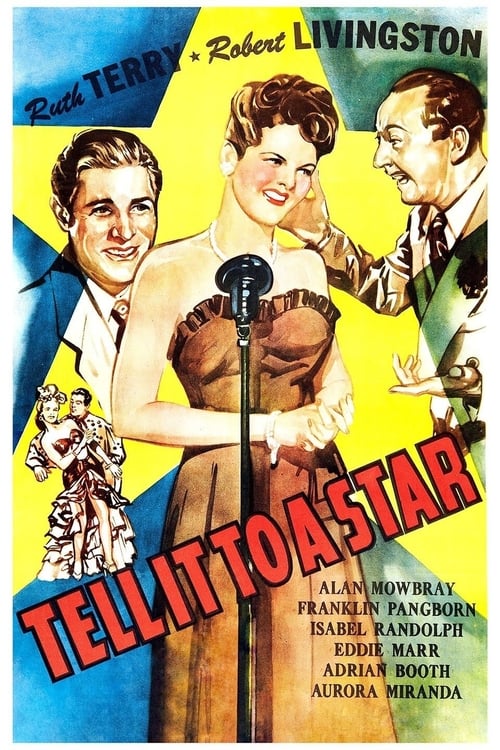
1945
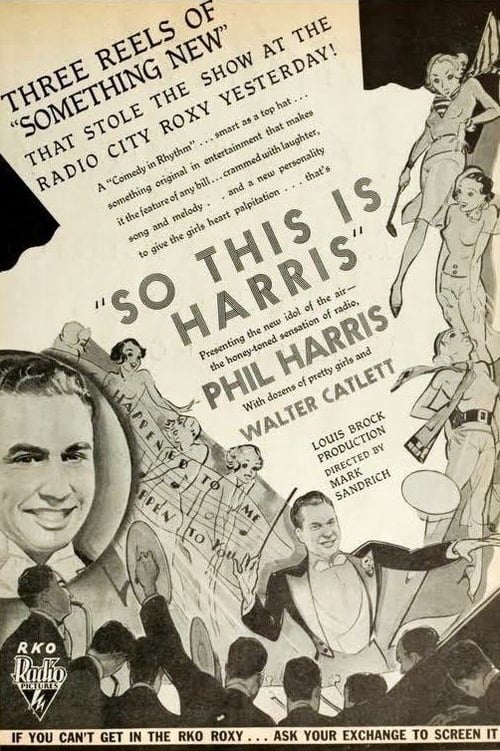
1933
1946
1944
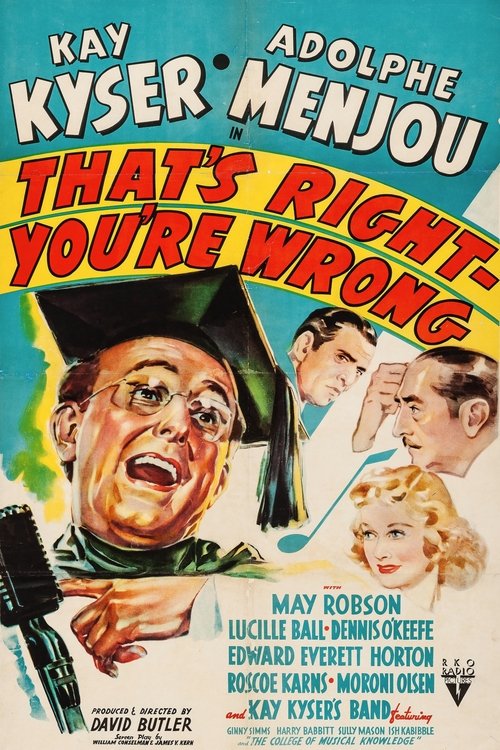
1939
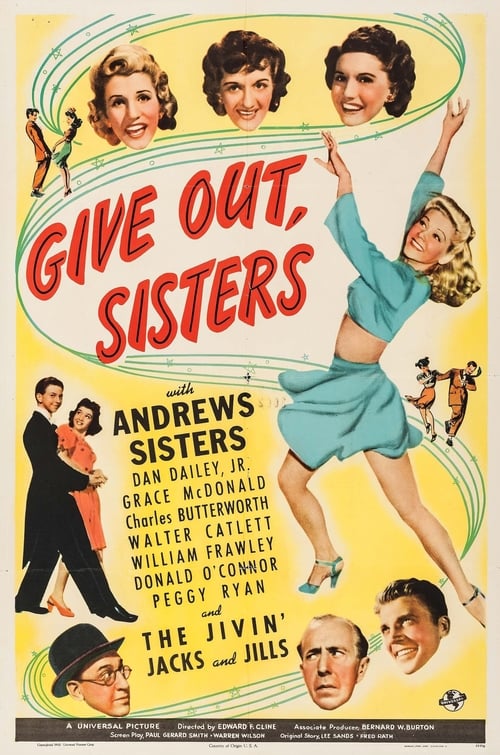
1942
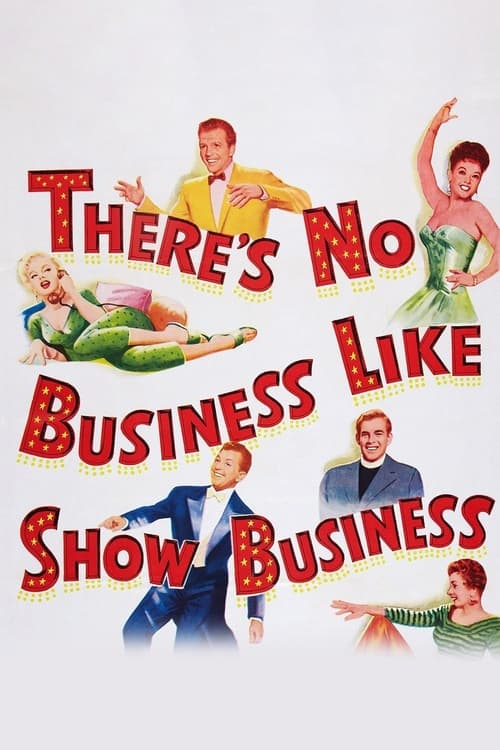
1954
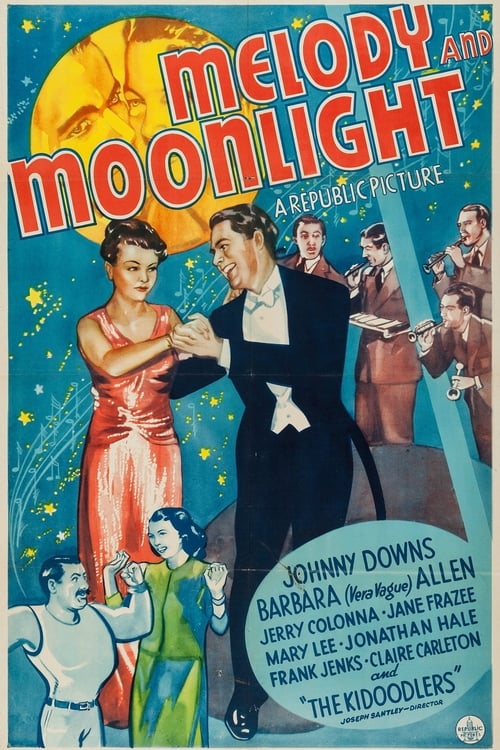
1940
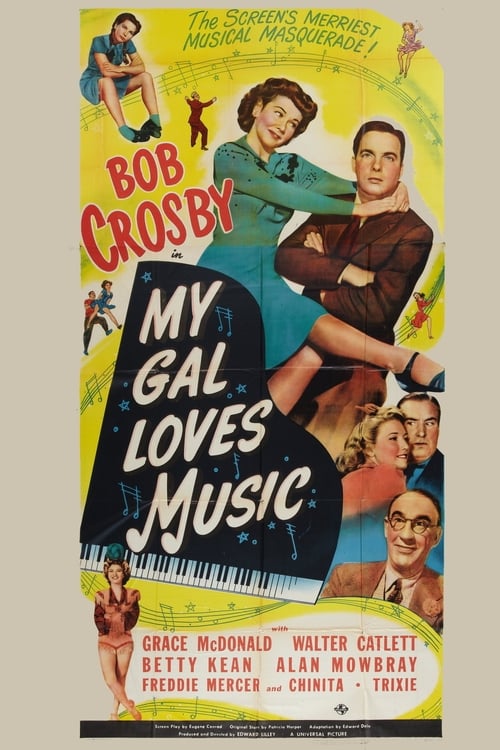
1944

1934
1947
No reviews yet. Be the first to share your thoughts on this movie!
Use the rating form above to leave a star rating and optional review.