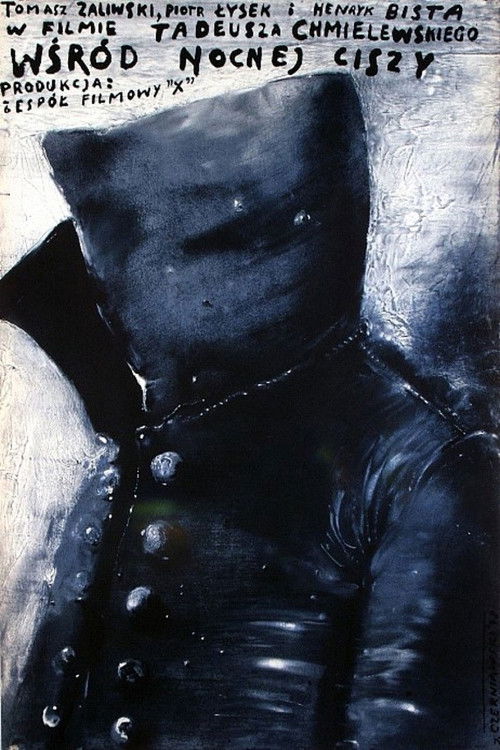
Quiet Is the Night
1978
No user ratings available yet
Diversity score: 2.9 out of 10
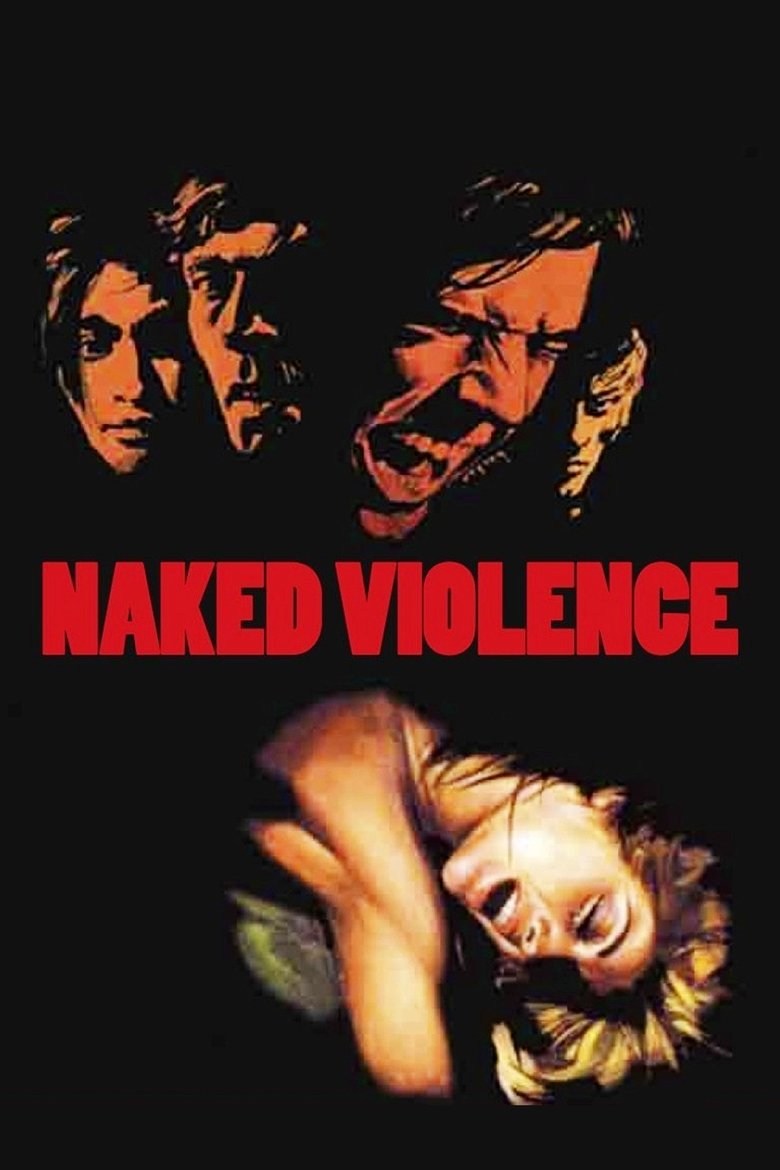
1969
Director
Fernando Di Leo
Runtime
92 minutes
Average Rating
No ratings yetSynopsis
Some youngsters rape and kill their teacher; but they won't tell their motivation. The police detective on the case feels some sinister influence behind the young murderers.
Overall Score
Limited
Category Breakdown
LGBTQ+ Representation
The film contains no documented LGBTQ+ characters or non-heteronormative narrative arcs. It adheres strictly to the conventional sexual norms of late-1960s Italian crime cinema.
Gender Representation
Female characters function primarily as secondary figures, often appearing as victims within the crime cycle. The narrative focuses on masculine-coded spheres of law enforcement and criminal enterprise.
Racial & Ethnic Diversity
The cast and setting appear largely homogeneous, reflecting the demographic realities of its era and locale. There is no evidence of significant racial blending or subversion of casting norms.
Religious & Cultural Diversity
The film critiques institutional stability by portraying a world where law and lawlessness are blurred. This engagement with moral relativism is rooted in genre-specific nihilism.
Disability Representation
There is no evidence of characters with visible or invisible disabilities being integrated into the narrative. Disability is not used as a central thematic element.
Strengths
Areas for Improvement
AI Analysis
Naked Violence is a gritty exploration of urban crime and institutional cynicism typical of the poliziotteschi genre. While it successfully challenges the idea of absolute legal morality through its cynical tone, it does not attempt to disrupt traditional social hierarchies. The film remains centered on conventional masculine power structures and homogeneous social dynamics. It reflects the specific socio-political tensions of 1960s Italy rather than modern intersectional frameworks. Ultimately, the work functions as a genre piece that prioritizes stylistic violence and institutional critique over diverse representation.
1978

1971
1972
1950

1958

1965

1946
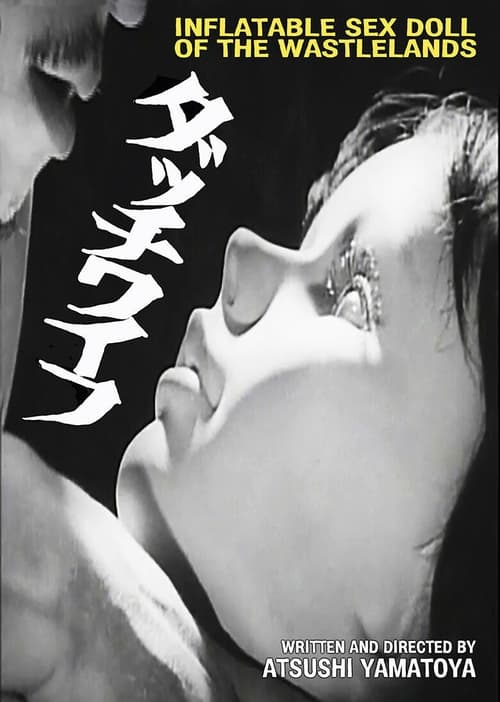
1967
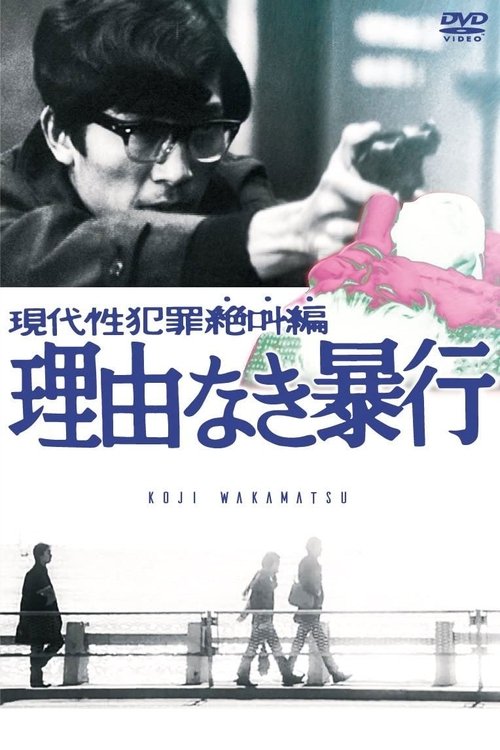
1969

1988
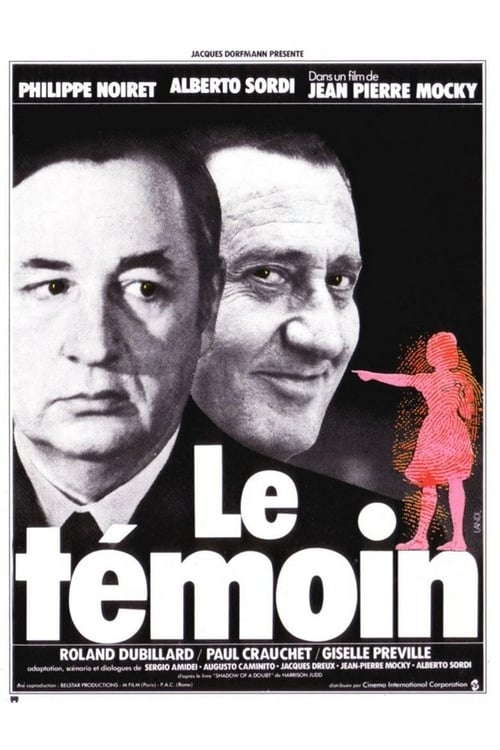
1978
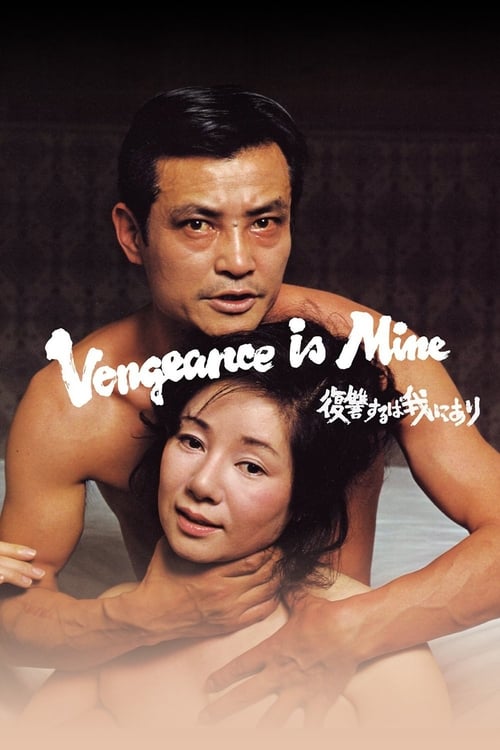
1979
No reviews yet. Be the first to share your thoughts on this movie!
Use the rating form above to leave a star rating and optional review.