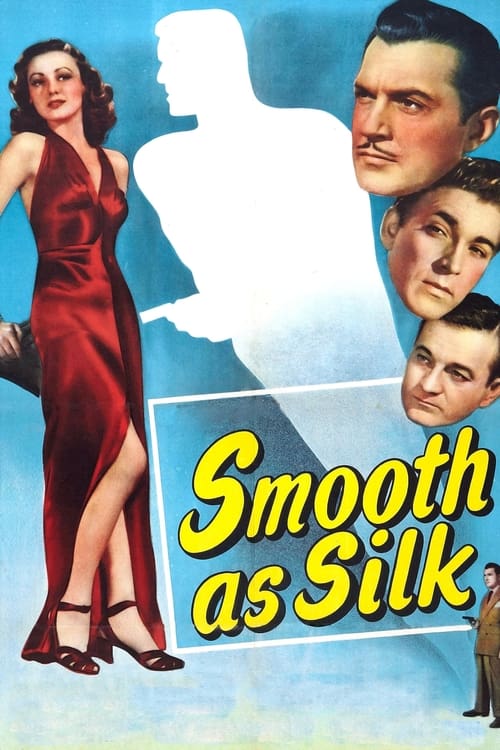
Smooth as Silk
1946
No user ratings available yet
Representation score: 0.4 out of 10

Representation Score
Limited
1946
NRDirector
Lawrence Huntington
Runtime
101 minutes
Average Rating
No ratings yetNew Showbiz Analysis
Wanted for Murder is a product of its era, prioritizing psychological horror and individual pathology over social representation. The narrative structure is built around a male protagonist's violent impulses, which centers the film on traditional power dynamics. Because the film focuses on a descent into madness and gendered violence, it lacks the breadth required for modern diversity standards. It functions within the conventional, non-subversive cinematic frameworks of 1940s Britain. Ultimately, the film offers little in the way of diverse perspectives, instead reinforcing the period's standard social hierarchies and homogeneous casting patterns.
Category Breakdown
The film does not include any characters who identify as LGBTQ+. It focuses entirely on a psychological descent into violence, which aligns with the social norms of the 1940s.
Women are portrayed mainly as victims of male aggression. This reinforces traditional stereotypes of female vulnerability without giving them meaningful roles or challenging gender hierarchies.
The production reflects the homogeneous casting standards typical of 1940s British crime dramas. There is no indication of diverse ethnic narratives or multi-layered casting.
The story focuses on individual pathology rather than systemic issues. It operates within the standard moral frameworks of mid-century cinema without exploring secularist or anti-Western themes.
Mental health serves as a central plot driver through a character's descent into insanity. However, the portrayal risks using neurodivergence as a mere source of horror or a plot device.
Present on Screen
Limited or Absent
Official Synopsis
The son of a notorious hangman is gradually becoming insane and he finds himself unable to resist the urge to strangle women to death.
1946
1950
1956

1939
1947

1958
1944
1948
No reviews yet. Be the first to share your thoughts on this movie!
Use the rating form above to leave a star rating and optional review.