Naked Violence
1969
No user ratings available yet
Diversity score: 2.5 out of 10
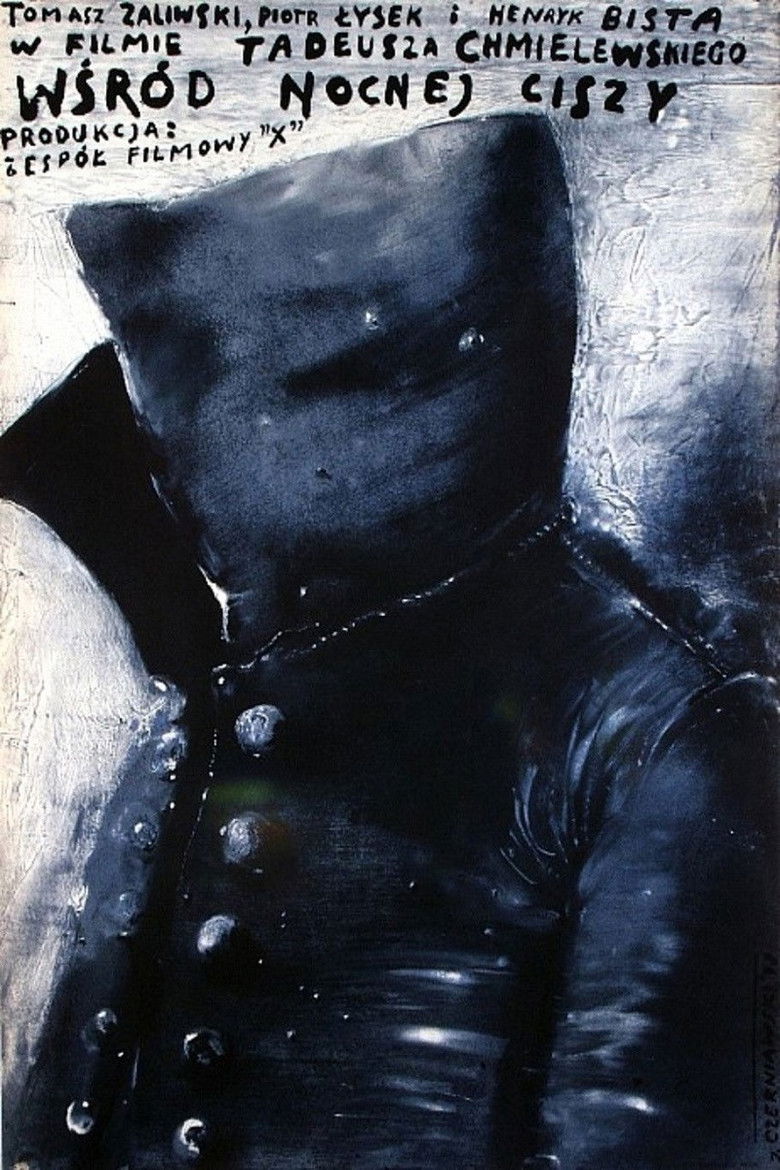
1978
Director
Tadeusz Chmielewski
Runtime
116 minutes
Average Rating
No ratings yetSynopsis
In 1920s Poland, a police commissioner leads the investigation into a series of brutal murders of young boys as the case grows increasingly unsettling and personal.
Overall Score
Limited
Category Breakdown
LGBTQ+ Representation
The film lacks any visible queer identities or non-cisnormative gender expressions. The narrative focuses strictly on a traditional crime investigation.
Gender Representation
The story centers on a male police commissioner in a position of institutional authority. There is no evidence of women occupying roles of high agency.
Racial & Ethnic Diversity
Set in 1920s Poland, the film likely reflects a homogeneous ethnic demographic. The casting appears to follow the era's traditional European presentation.
Religious & Cultural Diversity
The narrative operates within a traditional crime drama framework. It lacks any significant critique of religious or Western institutional structures.
Disability Representation
There is no information available regarding the portrayal of physical disabilities or neurodivergence in this production.
Strengths
Areas for Improvement
AI Analysis
Quiet Is the Night is a period-specific crime drama that adheres closely to the conventional genre tropes of its 1920s setting. The narrative architecture prioritizes a linear, procedural investigation led by a central male authority figure. Because the film focuses on established state institutions and a traditional investigative plot, it lacks the subversion of social hierarchies necessary for a higher diversity score. The representation remains largely homogeneous and aligned with the historical context of the era. Ultimately, the film functions as a standard procedural, offering little in the way of intersectional narrative depth or the disruption of established cultural norms.
1969
2018

1962
1983
1973
2012
1944
1988
2010

2019

1971
2007
No reviews yet. Be the first to share your thoughts on this movie!
Use the rating form above to leave a star rating and optional review.