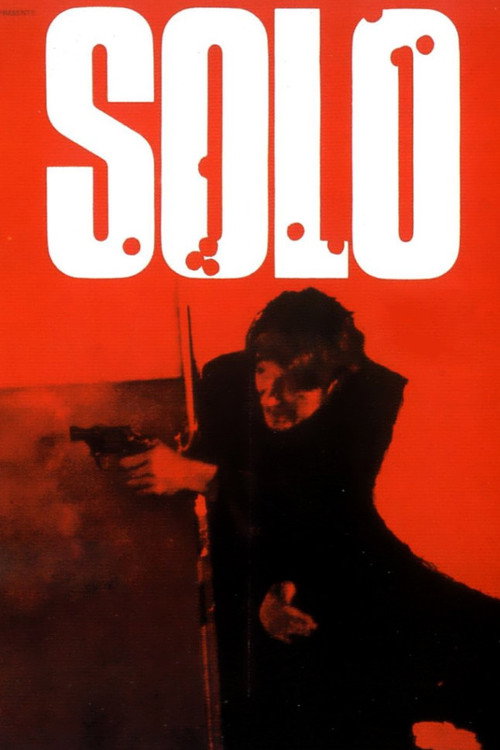
Solo
1970
No user ratings available yet
Representation score: 3.7 out of 10
Representation Score
Limited
1978
Director
Jean-Pierre Mocky
Runtime
90 minutes
Average Rating
No ratings yetNew Showbiz Analysis
Jean-Pierre Mocky’s work functions as a biting social satire that prioritizes the deconstruction of institutional morality over demographic variety. The film's strength lies in its ability to challenge the perceived integrity of local governance and religious structures through a lens of moral relativism. However, the narrative lacks breadth in its representation of identity. The cast remains largely homogeneous, and female characters are relegated to functional roles within a male-centric power struggle. While the film subverts social respectability, it does not extend this subversion to gender or racial hierarchies. Ultimately, the film is a study of systemic corruption rather than a diverse ensemble piece. It trades demographic inclusivity for a deep, cynical critique of Western social pillars.
Category Breakdown
The film focuses on cynical interactions between male characters and a female victim. It lacks explicit narratives that critique the assumption that everyone is straight or cisgender through a queer lens.
Gender dynamics revolve around power struggles and cynicism. The female character primarily serves as a plot catalyst rather than having her own narrative destiny.
The cast appears largely homogeneous, reflecting the localized setting of Reims. There is no evidence of diverse ethnic identities being integrated to disrupt social norms.
The film excels at critiquing institutional stability and religious sanctity. It uses satire to deconstruct the facade of bourgeois respectability and systemic dysfunction.
No visible or invisible disabilities are central to the character arcs or the progression of the plot.
Present on Screen
Limited or Absent
Official Synopsis
An Italian painter, Antonio Berti, pays a visit to Reims to his friend Robert Maurisson, a banker with political views on the town hall, who hides, under an affable air and an irreproachable dignity, a libertine and cynical temperament. Charged by the notable with the restoration of paintings exhibited in the cathedral, the artist calls on Cathy, a young girl from the choir, to serve as his model. The young girl will be found dead a few hours after their interview, near one of Robert's properties.
1970
1989
1999

1970
1962

1986
1973
1969
No reviews yet. Be the first to share your thoughts on this movie!
Use the rating form above to leave a star rating and optional review.