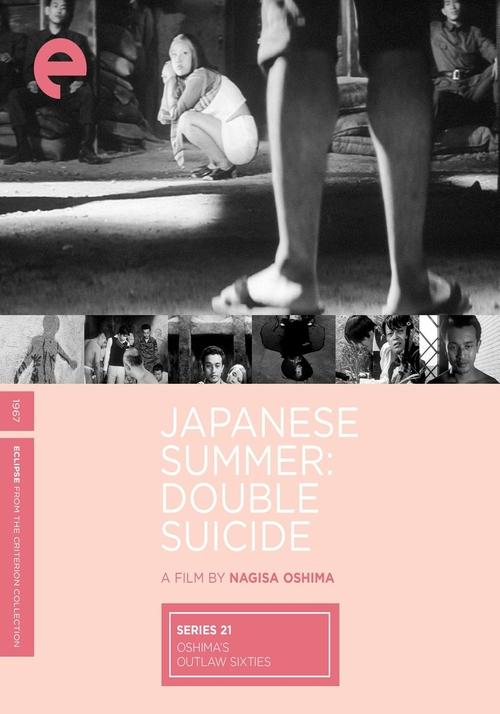
Japanese Summer: Double Suicide
1967
No user ratings available yet
Representation score: 6.8 out of 10

Representation Score
Fair
1969
Director
Kōji Wakamatsu
Runtime
72 minutes
Average Rating
No ratings yetNew Showbiz Analysis
Kōji Wakamatsu’s work stands out for its aggressive critique of traditional institutions and Western modernization. By portraying the social order as oppressive, the film effectively challenges singular moral standards. However, the film lacks broad demographic representation. Its focus on masculine nihilism often sidelines women as passive victims. This limits the exploration of gendered power dynamics. Despite its powerful examination of alienation and anti-capitalist sentiments, the film’s narrow scope on a homogeneous cast and conventional sexual dynamics prevents a higher diversity score.
Category Breakdown
The film focuses on the nihilistic and violent tendencies of male characters, exploring themes of sexual transgression and voyeurism. However, it does not prominently feature non-traditional gender identities or established LGBTQ+ stories.
Women in the film are often portrayed as victims of the male characters' destructive actions rather than as empowered individuals. The narrative emphasizes masculine-driven nihilism over a deeper exploration of gender power dynamics.
Set in post-war urban Japan, the film features a predominantly Japanese cast. It examines the alienation of Japanese youth but does not include diverse ethnic backgrounds.
The film presents a secular worldview that critiques modernization and traditional social structures. It uses anti-establishment sentiments to challenge rapid changes and traditional societal norms.
There is no significant depiction of physical or neurodivergent disabilities in the film.
Present on Screen
Limited or Absent
Official Synopsis
Three violent and disillusioned students share an apartment. Their search for a place in society is through porn, fights, rape, and voyeurism. Not even leftist, militant student organizations are able to channel their youthful frustration.
1967
1980
1973

2012

2006
2016
1970
1969
No reviews yet. Be the first to share your thoughts on this movie!
Use the rating form above to leave a star rating and optional review.