
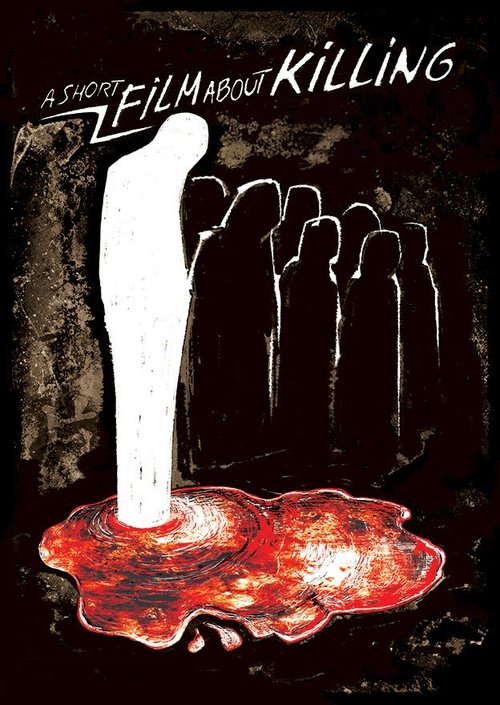
Decalogue V
1989
No user ratings available yet
Representation score: 1.8 out of 10
Representation Score
Minimal
1988
Not RatedDirector
Krzysztof Kieślowski
Runtime
85 minutes
Average Rating
No ratings yetNew Showbiz Analysis
Krzysztof Kieślowski’s work is a masterful exploration of philosophical questions, using a crime drama to dismantle systemic structures. The film effectively critiques institutional authority, challenging the sanctity of state-sanctioned justice through a lens of moral relativism. However, the film lacks demographic diversity. The narrative is confined to a male-dominated environment and a homogeneous cast that reflects its specific Polish historical context. This limits the depth of the social critique. Ultimately, the film prioritizes existential and judicial themes over diverse representation. It serves more as a meditation on the failure of moral certainties than a study of varied human identities.
Category Breakdown
The film does not include any LGBTQ+ characters or explore non-straight relationships. The narrative focuses solely on the consequences of a violent crime.
The story centers around male characters, including the killer, the victim, and the legal system. It lacks women's ability to drive the story and does not challenge traditional gender power dynamics.
The cast is predominantly uniform, reflecting the socioeconomic context of late-communist Poland. There is no diverse ethnic representation or race-bent casting.
The film provides a critical look at traditional institutions and state-sanctioned justice. It portrays the judicial system as a cold, mechanical tool of violence rather than a moral guardian.
There is no significant focus on visible or invisible disabilities within the main character arcs.
Present on Screen
Limited or Absent
Official Synopsis
Jacek climbs into the taxi driven by Waldemar, tells him to drive to a remote location, then brutally strangles him, seemingly without motive.
1989

1958

2005
1983

1970

1986

1966

1992
No reviews yet. Be the first to share your thoughts on this movie!
Use the rating form above to leave a star rating and optional review.