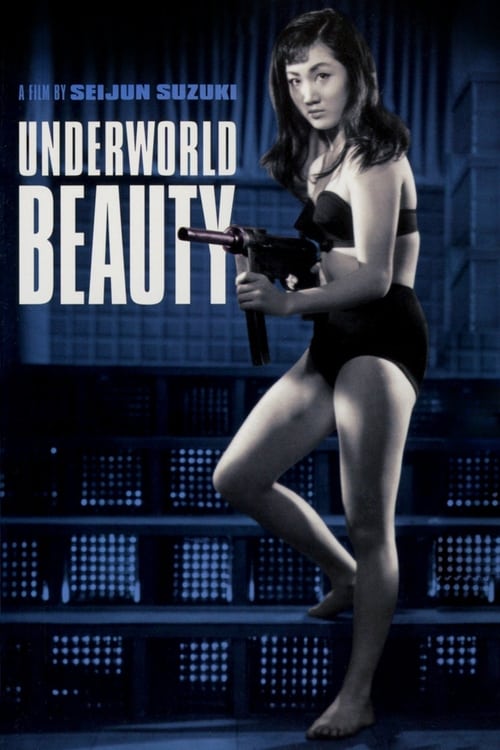
Underworld Beauty
1958
No user ratings available yet
Diversity score: 3.9 out of 10
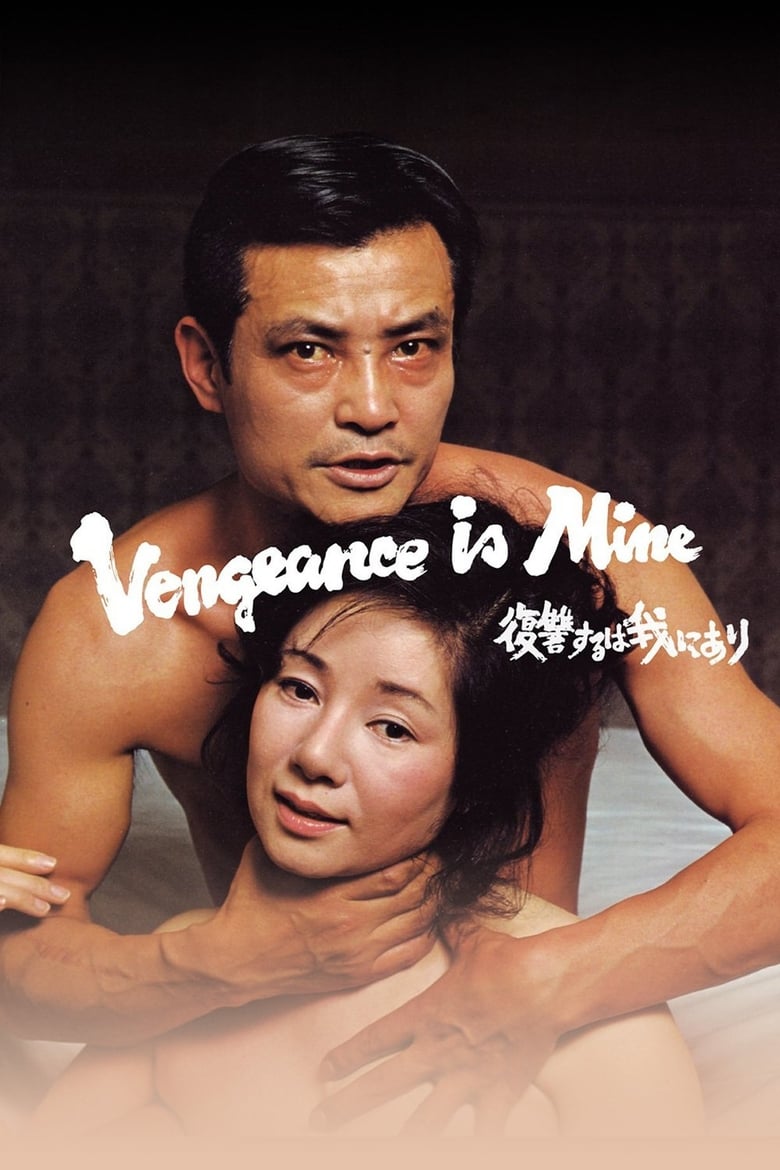
1979
RDirector
Shōhei Imamura
Runtime
140 minutes
Average Rating
No ratings yetSynopsis
A thief, a murderer, and a charming lady-killer, Iwao Enokizu is on the run from the police.
Overall Score
Fair
Category Breakdown
LGBTQ+ Representation
The film lacks space for non-heteronormative identities. The narrative focuses strictly on biological impulses and the socio-economic pressures of 1930s Japan.
Gender Representation
Gender dynamics reinforce patriarchal structures of the era. Women are often depicted in roles defined by survival, domesticity, and transactional relationships driven by poverty.
Racial & Ethnic Diversity
The cast is ethnically homogeneous due to the pre-war Japanese setting. It centers the socioeconomic underclass rather than providing modern racial diversity.
Religious & Cultural Diversity
The film offers a cynical critique of legal systems and state authority. It replaces traditional morality with a view of human behavior shaped by systemic failure.
Disability Representation
Psychological instability is used to drive the protagonist's criminal path. These themes lack nuanced exploration of neurodivergence or mental health agency.
Strengths
Areas for Improvement
AI Analysis
Shōhei Imamura’s work provides a visceral, anthropological look at the Japanese underclass, prioritizing a critique of systemic oppression over traditional morality. The film succeeds in deconstructing institutional legitimacy and the social machine of the 1930s. However, the film is limited by its historical setting and narrow character focus. It lacks representation for LGBTQ+ identities and racial diversity, and its treatment of mental health serves the plot rather than exploring lived neurodivergent experiences. Ultimately, the film is a powerful anti-establishment narrative that trades identity-based inclusion for a deep, cynical examination of social and biological determinism.
1958
1985
1978

1980

1970

1957
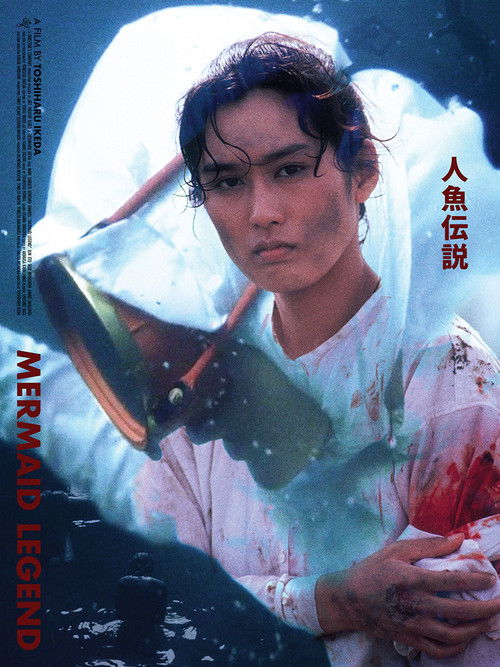
1984
No reviews yet. Be the first to share your thoughts on this movie!
Use the rating form above to leave a star rating and optional review.