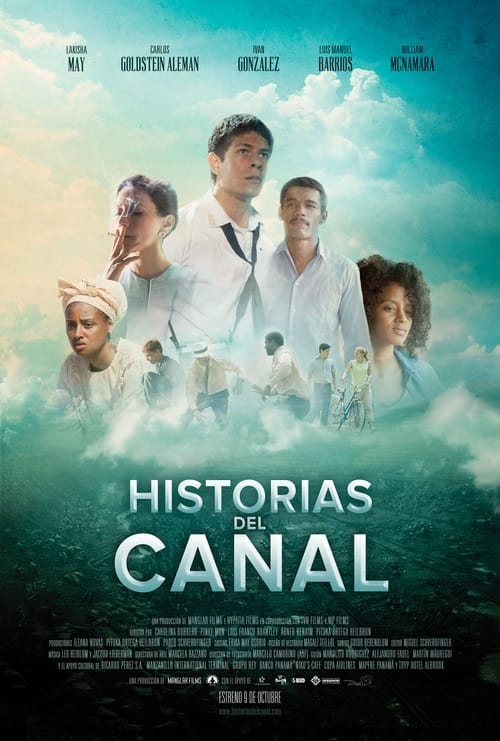
Panama Canal Stories
2014
No user ratings available yet
Diversity score: 6.4 out of 10

1972
Director
Youssef Chahine
Runtime
105 minutes
Average Rating
No ratings yetSynopsis
The construction of the Aswan dam as seen by those who took part in it: engineers, workers, Egyptians, and Soviets.
Overall Score
Fair
Category Breakdown
LGBTQ+ Representation
The film functions as a socio-political documentary focused on labor and national development. There is no evidence of queer narratives or non-cisnormative identities within this collective struggle.
Gender Representation
The focus on massive industrial projects often emphasizes male-dominated labor structures. However, Chahine’s focus on the people likely includes the domestic and social roles of women in rural landscapes.
Racial & Ethnic Diversity
The film excels by centering Egyptian identity and the non-Western experience. It disrupts the Western-centric gaze by focusing on local workers, engineers, and Soviet collaborators.
Religious & Cultural Diversity
The narrative engages deeply with anti-capitalist and post-colonial themes. It emphasizes collective, state-driven progress and critiques Western hegemony through the lens of the Egyptian peasantry.
Disability Representation
There is limited evidence regarding the portrayal of neurodivergence or physical disabilities. While manual labor is central, it is unclear if disabled characters are given specific agency.
Strengths
Areas for Improvement
AI Analysis
Youssef Chahine’s work serves as a vital piece of post-colonial cinema that challenges Western-centric narratives. By centering the Egyptian working class and the construction of the Aswan Dam, the film prioritizes indigenous agency and the reclamation of national resources. The film's strength lies in its socio-political depth and its critique of imperialist legacies. It successfully shifts the focus from individualist capitalist models to a collective, state-driven narrative of progress. However, the film lacks focus on individual identity politics. It does not provide specific representation for LGBTQ+ identities or disability, as the narrative architecture remains centered on large-scale industrial and socioeconomic themes.
2014
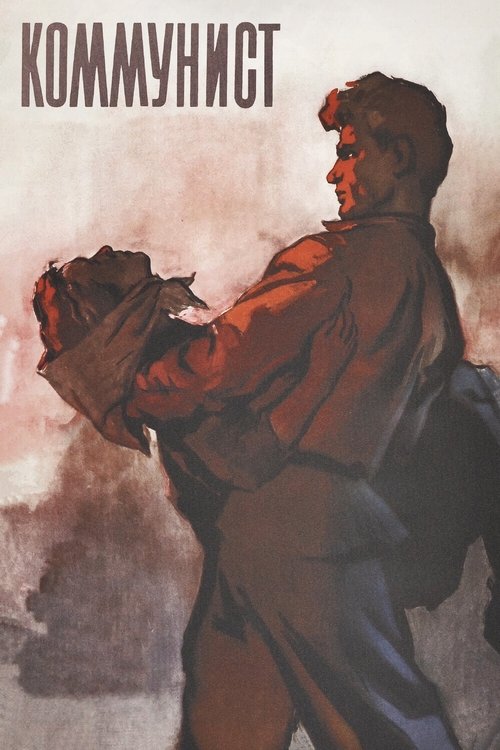
1958
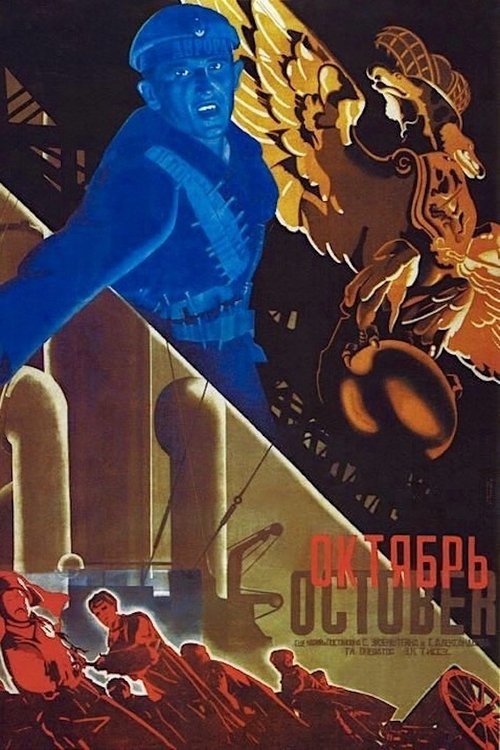
1928
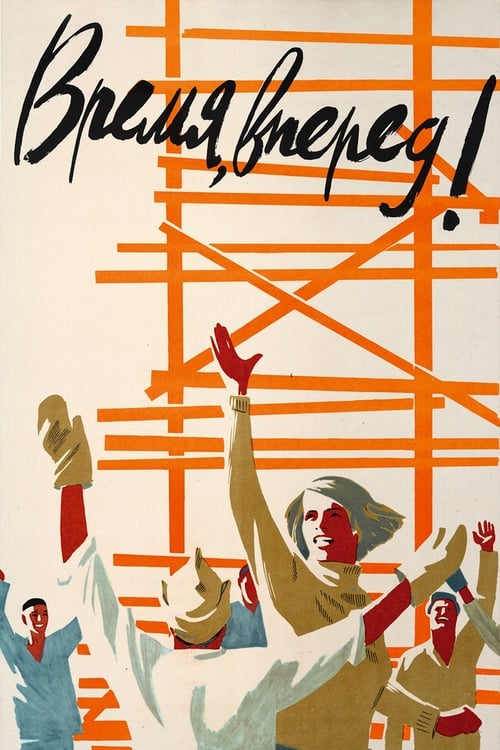
1965
1996
No reviews yet. Be the first to share your thoughts on this movie!
Use the rating form above to leave a star rating and optional review.