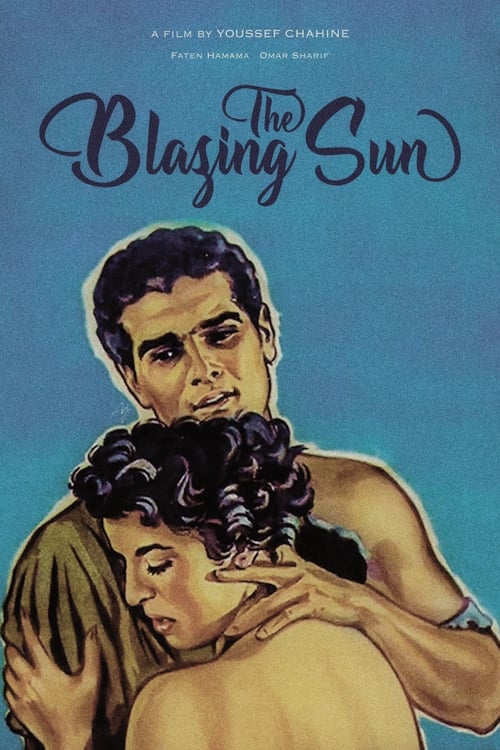
The Blazing Sun
1954
No user ratings available yet
Representation score: 6.3 out of 10

Representation Score
Fair
1951
Director
Youssef Chahine
Runtime
105 minutes
Average Rating
No ratings yetNew Showbiz Analysis
Son of the Nile examines the tension between individual ability to act and societal structures. It stands out by presenting a non-Western perspective and challenging traditional masculine archetypes. However, it lacks representation for disabilities and provides limited insight into women's ability to drive the story and LGBTQ+ identities.
Category Breakdown
The film does not explicitly show LGBTQ+ identities, but the protagonist's rebellion against traditional roles hints at a subtle challenge to conventional expectations.
The film portrays masculinity through dissatisfaction and struggle, disrupting the typical image of a stable patriarch. Female characters like Zebeidah are shown in the domestic sphere, but their specific roles are not detailed.
The film focuses on Egyptian peasantry, highlighting indigenous social structures and offering a North African perspective.
It explores the conflict between personal desires and agrarian traditions, critiquing traditional institutions through the protagonist's rejection of traditional roles.
There is no evidence regarding the portrayal of physical or neurodivergent disabilities in the narrative.
Present on Screen
Limited or Absent
Official Synopsis
Hemaidah is a Farmer who hates country life. He hates working in fields and taking care of the animals in his farm. Though unsatisfied with her, he marries Zebeidah, a woman in the same village.
1954

1958
1970
1978
1986
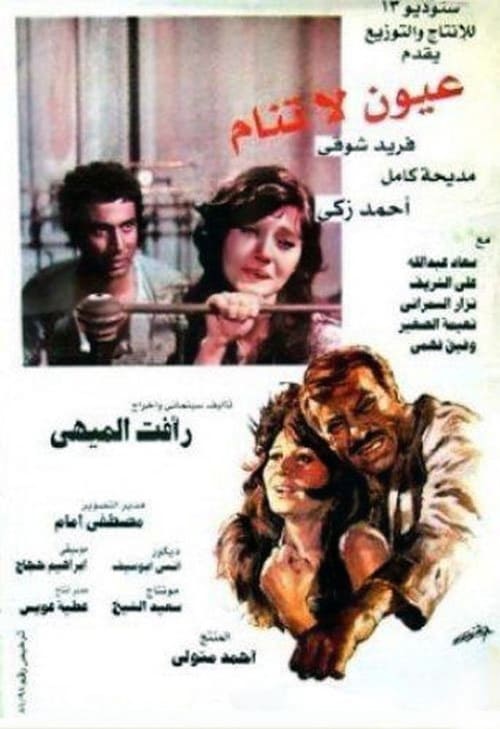
1981
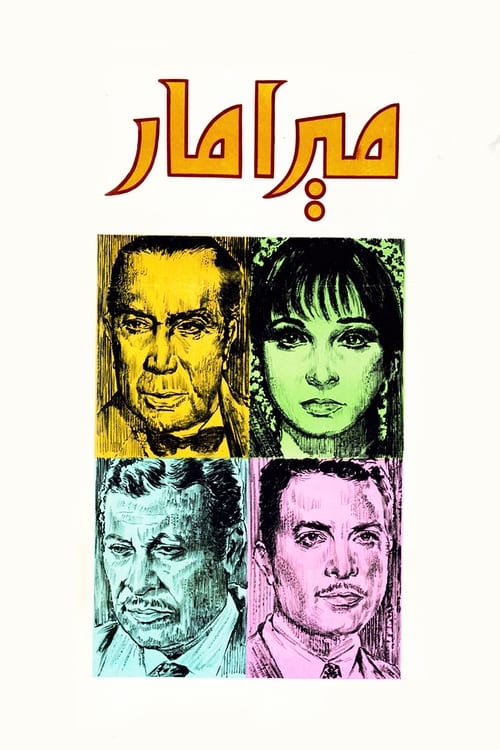
1969
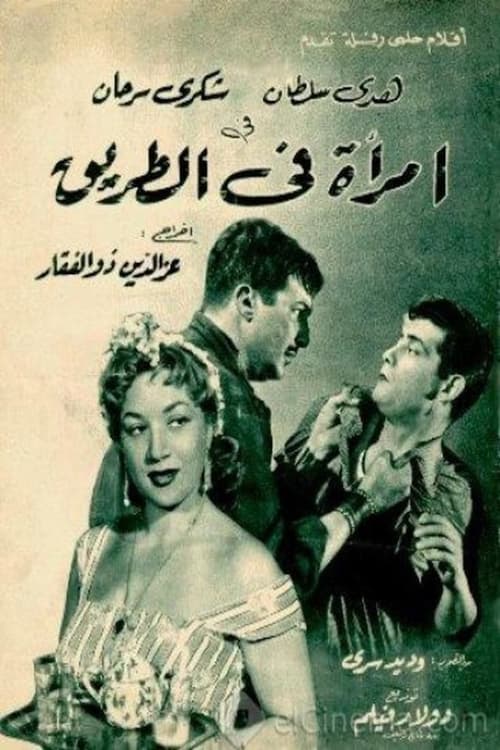
1958
No reviews yet. Be the first to share your thoughts on this movie!
Use the rating form above to leave a star rating and optional review.