Western Mail
1942
No user ratings available yet
Representation score: 1.1 out of 10
Representation Score
Minimal
1950
ApprovedDirector
Reginald Le Borg
Runtime
87 minutes
Average Rating
No ratings yetNew Showbiz Analysis
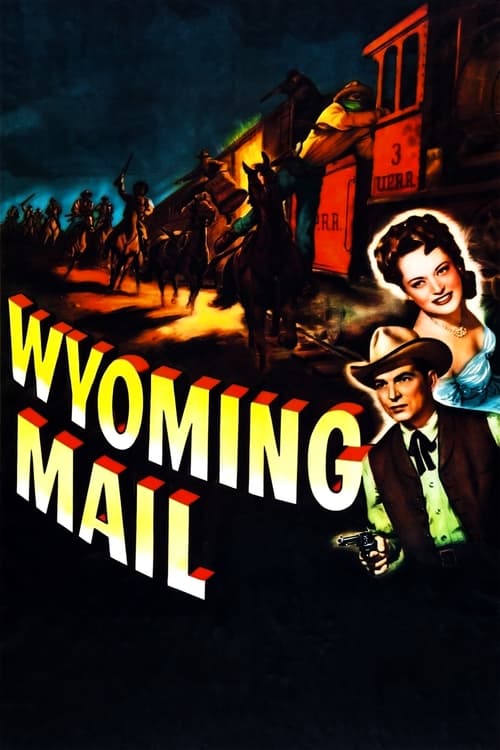
Wyoming Mail is a traditional mid-century Western that adheres closely to the genre's established conventions. The story centers on traditional masculine leadership and straight-centered romance, focusing on the actions of the male lead. The film reinforces the institutional values of the time, emphasizing the restoration of systemic stability through the Territorial Mail Service. It lacks the intentionality needed to disrupt common genre clichés or provide meaningful representation of diverse social perspectives.
Category Breakdown
The film follows a conventional storyline focused on the heterosexual relationship between Steve Davis and Mary, with no queer subtext or representation.
The power dynamics in the film revolve around the male protagonist, Steve Davis. While Mary is described as having hidden depths, female characters primarily serve as romantic motivators.
The film reflects the homogeneous casting standards typical of mid-century Westerns. There are no characters of color with significant roles or depth.
The narrative emphasizes traditional Western values and the importance of institutional stability. It celebrates frontier progress and the establishment of law and order.
There are no characters with visible or invisible disabilities in the film. Disability is not used as a central theme or character trait.
Present on Screen
Limited or Absent
Official Synopsis
In 1869, the United States begins a railroad mail service to the West Coast which proves highly tempting to train robbers, in particular an organized gang with one of the mail's supposed guardians in their pay. Prizefighter Steve Davis, a former army intelligence man, is hired to track down the gang and save the Territorial Mail Service. Steve goes undercover in territorial prison, leans Morse Code from a fellow prisoner, breaks jail, infiltrates the gang...and finds time to romance dance-hall singer Mary, who proves to have hidden depths...
1942

1939

1951
1969
1944
1940

1929

1963
No reviews yet. Be the first to share your thoughts on this movie!
Use the rating form above to leave a star rating and optional review.