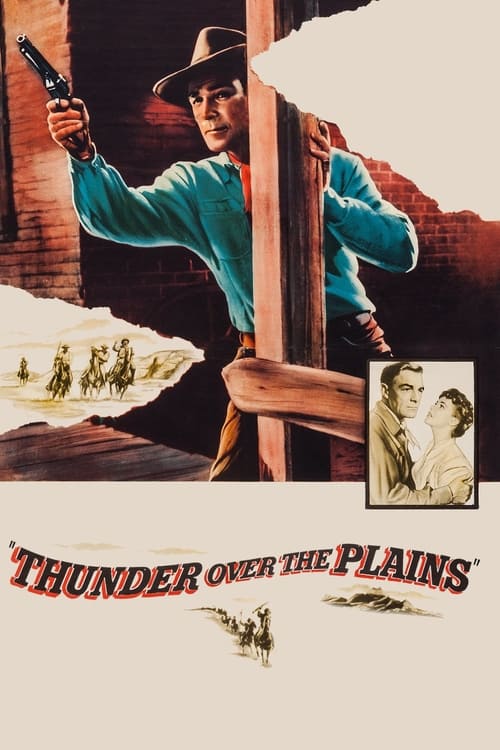
Thunder Over the Plains
1953
No user ratings available yet
Diversity score: 2.8 out of 10
1953
NRDirector
André de Toth
Runtime
82 minutes
Average Rating
No ratings yetSynopsis
Having been a spy for Quantrill's raiders during the Civil War, Jeff Travis thinking himself a wanted man, flees to Prescott Arizona where he runs into Jules Mourret who knows of his past. He takes a job on the stage line that Mourret is trying to steal gold from. When Mourret's men kill a friend of his he sets out to get Mourret and his men. When his plan to have another gang get Mourret fails, he has to go after them himself.
Overall Score
Minimal
Category Breakdown
LGBTQ+ Representation
The film operates within a strictly heteronormative framework. There is no evidence of non-cisnormative identities or same-sex intimacy.
Gender Representation
Narrative agency is concentrated almost exclusively in the male protagonist. Female characters occupy conventional supporting roles that do not challenge masculine dominance.
Racial & Ethnic Diversity
The cast is predominantly white and Anglo-Saxon. The film lacks characters of color with high agency, reflecting a homogeneous depiction of the West.
Religious & Cultural Diversity
The plot centers on personal honor and frontier justice. It follows a standard moral binary common to the period's genre conventions.
Disability Representation
There are no notable depictions of visible or invisible disabilities. Characters are portrayed through standard archetypes of outlaws and lawmen.
Strengths
Areas for Improvement
AI Analysis
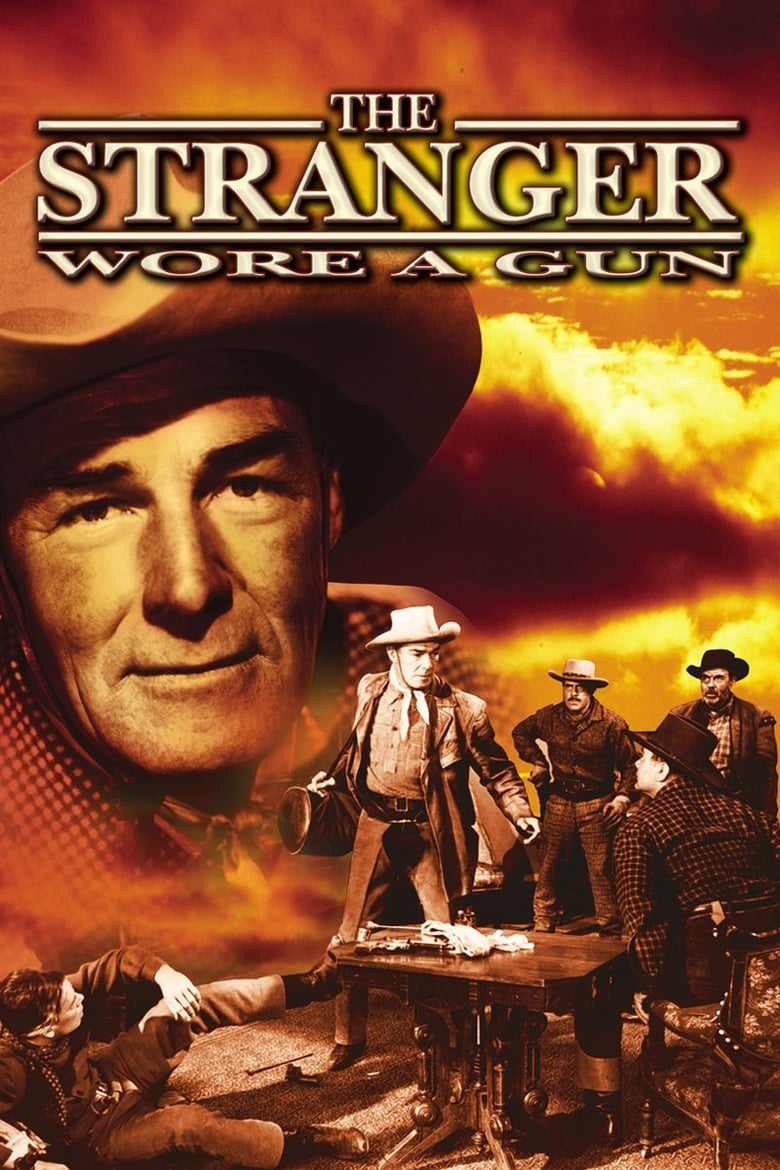
The Stranger Wore a Gun is a quintessential mid-century Western that adheres to the traditionalist parameters of its era. It prioritizes established genre tropes, specifically the rugged, individualistic male protagonist, while reinforcing mid-20th-century social norms. The narrative architecture lacks the intentionality required to disrupt conventional social hierarchies. Instead, it functions as a baseline for traditional Western storytelling, focusing on masculine conflict and frontier justice. Ultimately, the film presents a homogeneous view of the American West, characterized by a lack of intersectional representation and a reliance on standard character archetypes.
1953
1967
1967
1959
1954
1948
1936
1943
1958

1956
1951
1957
No reviews yet. Be the first to share your thoughts on this movie!
Use the rating form above to leave a star rating and optional review.