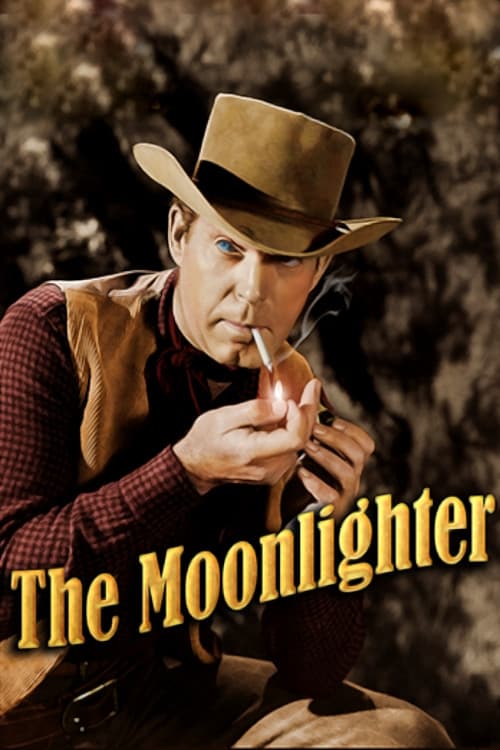
The Moonlighter
1953
No user ratings available yet
Representation score: 1.4 out of 10
Representation Score
Minimal
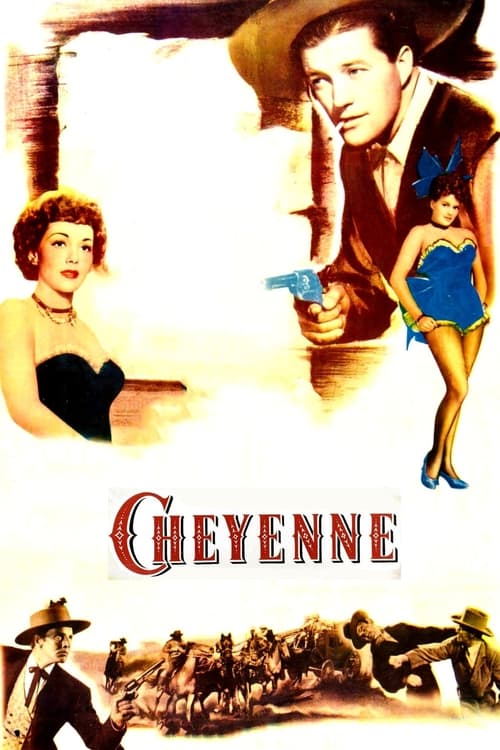
1947
NRDirector
Raoul Walsh
Runtime
99 minutes
Average Rating
No ratings yetNew Showbiz Analysis
Cheyenne is a quintessential mid-century Western that prioritizes traditional social hierarchies. The narrative is built around masculine camaraderie and the enforcement of conventional authority, offering a streamlined, traditionalist view of the American frontier. The film functions as a reinforcement of established cultural and gendered archetypes. It lacks the complexity or subversion of systemic norms necessary to move beyond a baseline genre exercise. Ultimately, the production adheres to the period's standard cinematic hierarchies, focusing on a white-dominated space and a patriarchal social structure.
Category Breakdown
The film follows a strictly straight-centered structure. There are no non-cisgender identities or same-sex relationships present in the narrative.
The story focuses heavily on masculine roles and the cowboy archetype. While the female lead shows emotional complexity, she remains secondary to the male-driven plot.
The cast is predominantly white and homogeneous. It lacks significant presence of non-Anglo-Saxon characters, reflecting the era's standard depiction of the West.
The film reinforces traditional Western values like frontier justice and social order. It utilizes genre clichés to validate law and authority rather than challenging institutions.
No visible or invisible disabilities are portrayed. Characters are defined by the physical capabilities required for frontier survival.
Present on Screen
Limited or Absent
Official Synopsis
Slick gambler James Wylie is apprehended by the law and given the option to forgo a prison sentence if he poses as a bandit. His mission is to uncover the identity of the Poet, a notorious outlaw who has been holding up bank-owned stagecoaches and leaving verses at the crime scenes to taunt the authorities. James finds time to woo the Poet's lovely wife, Ann, who initially cold-shoulders him. But, as a romance develops, they partner up to find the robber.
1953
1940

1937
1958
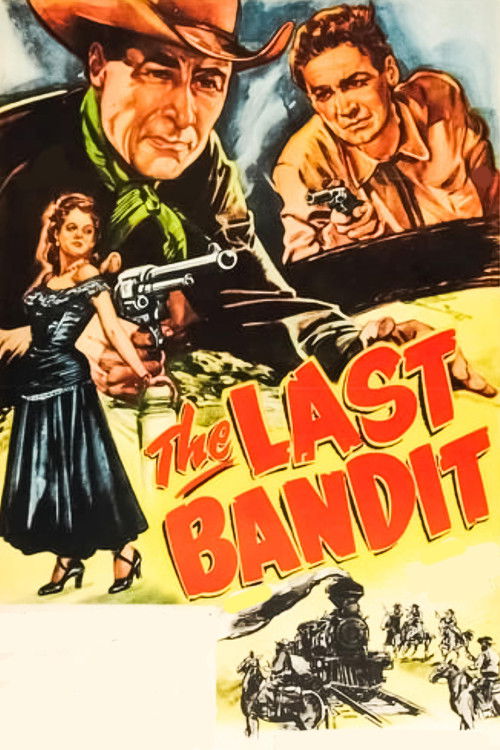
1949
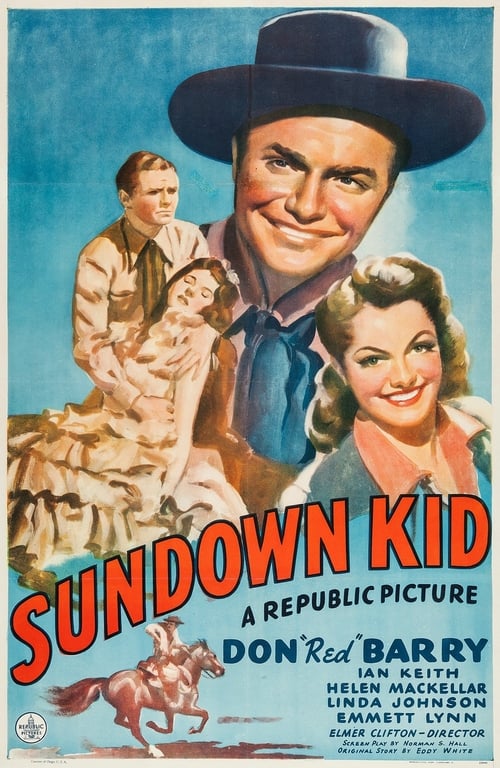
1942

1948
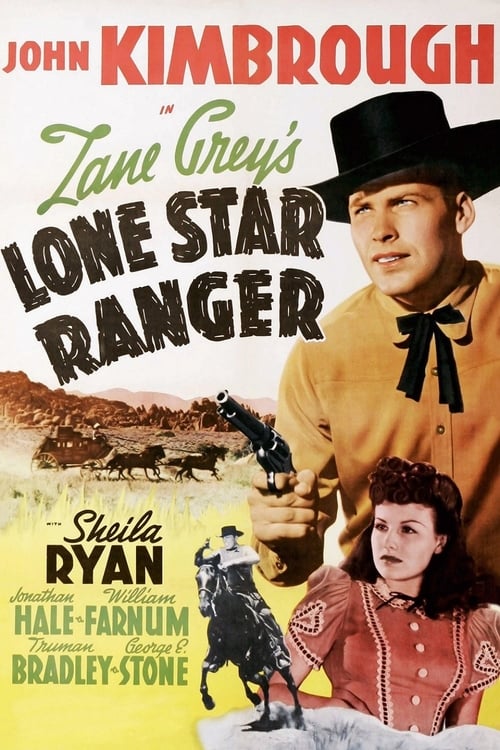
1942
No reviews yet. Be the first to share your thoughts on this movie!
Use the rating form above to leave a star rating and optional review.