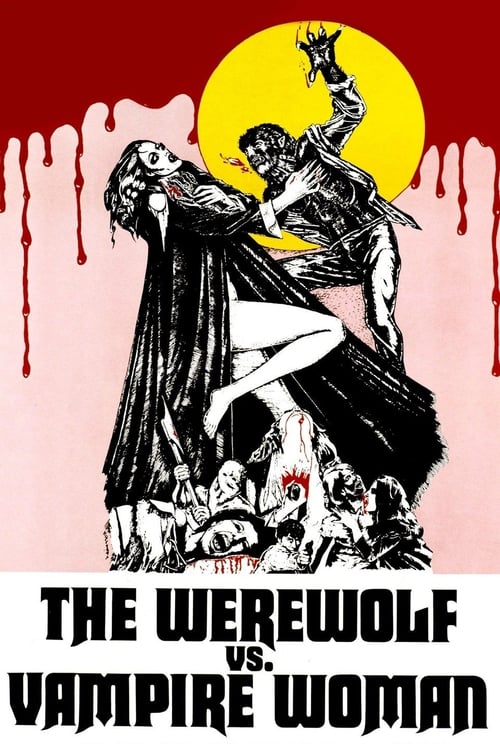
The Werewolf Versus the Vampire Woman
1971
No user ratings available yet
Representation score: 1.6 out of 10
Representation Score
Minimal
1972
Not RatedDirector
León Klimovsky
Runtime
86 minutes
Average Rating
No ratings yetNew Showbiz Analysis
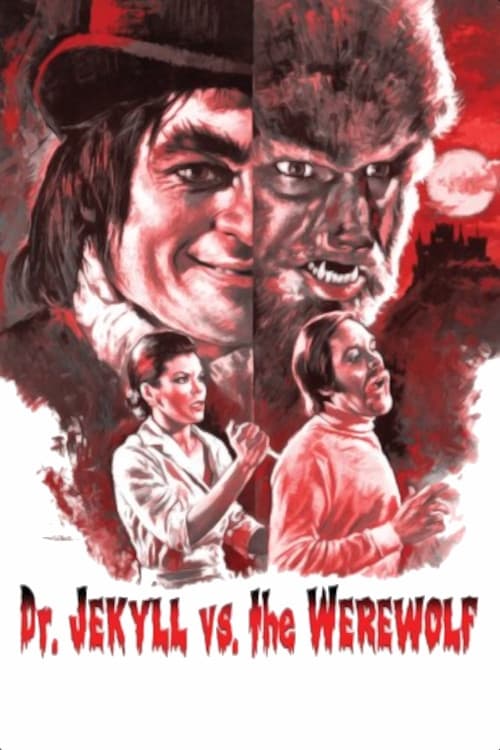
Dr. Jekyll and the Werewolf is a conventional genre exercise that prioritizes Gothic horror clichés over social critique. The narrative relies heavily on established archetypes, such as the 'damsel in distress' and the 'mad scientist,' which reinforce traditional power dynamics. The film lacks intentionality regarding diverse representation. It operates within the narrow social and narrative frameworks of early 1970s horror, maintaining racial homogeneity and straight-centered structures throughout its runtime. Ultimately, the film functions as a standard exploration of the supernatural. It does not attempt to deconstruct existing hierarchies or offer a nuanced perspective on identity, disability, or culture.
Category Breakdown
The film does not include any queer subtext or non-cisgender identities. The plot centers on male transformation and female romantic competition.
Female characters primarily serve as objects of desire or emotional stakes for the male lead. The narrative relies on the 'damsel in distress' cliché, reinforcing traditional patriarchal hierarchies and limiting female independence.
The film reflects the era's homogeneous casting practices. Set in a stylized London, the primary cast lacks significant racial or ethnic diversity.
The story focuses on Gothic horror clichés and the duality of man. It reinforces classical morality through a monster archetype without engaging broader societal critiques.
Lycanthropy is treated as a supernatural curse or biological malady. The transformation serves as a horror plot device rather than exploring disability in a meaningful way.
Present on Screen
Limited or Absent
Official Synopsis
Waldemar Daninsky comes to swinging seventies' London, seeking a cure to his malady. Unfortunately, he meets Dr. Jekyll who injects him with a serum that turns him into the lascivious killer Mr. Hyde. In his top hat and black cloak, Hyde haunts the fleshpots of Soho, while two gorgeous women fight for possession of his wolfman soul...
1971
1971
1973
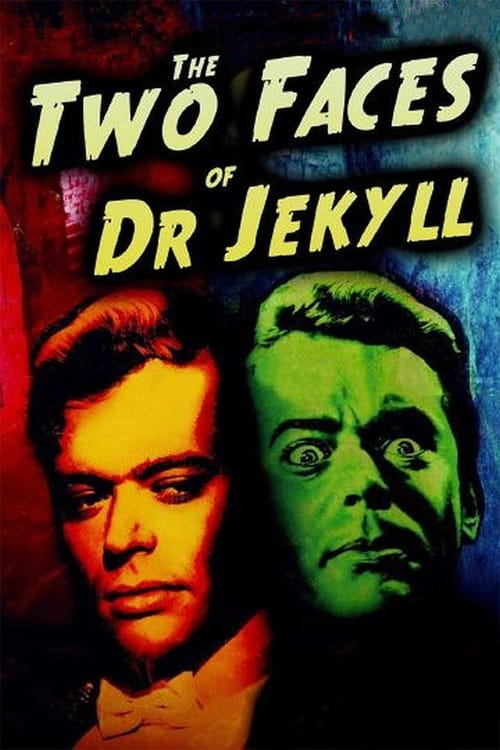
1960

1973
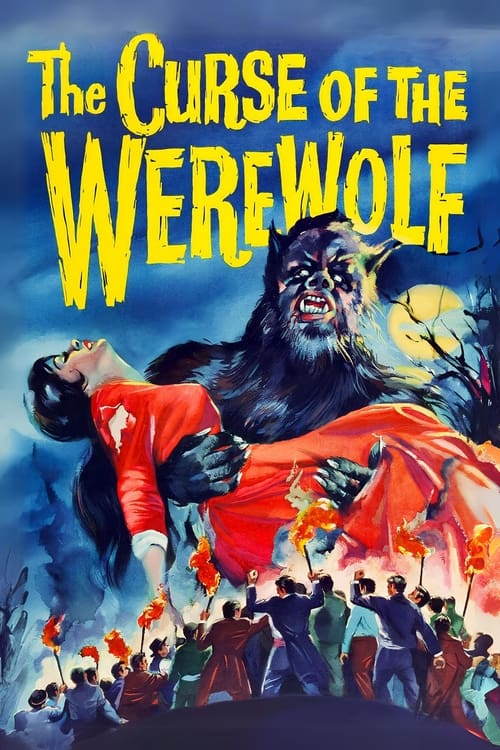
1961
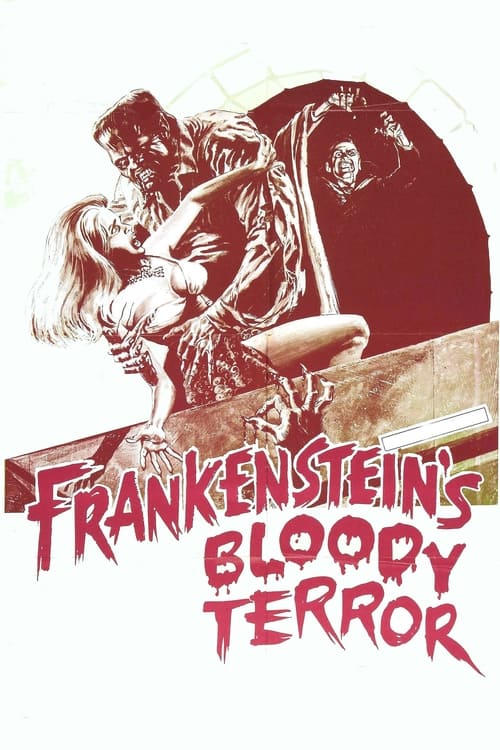
1968
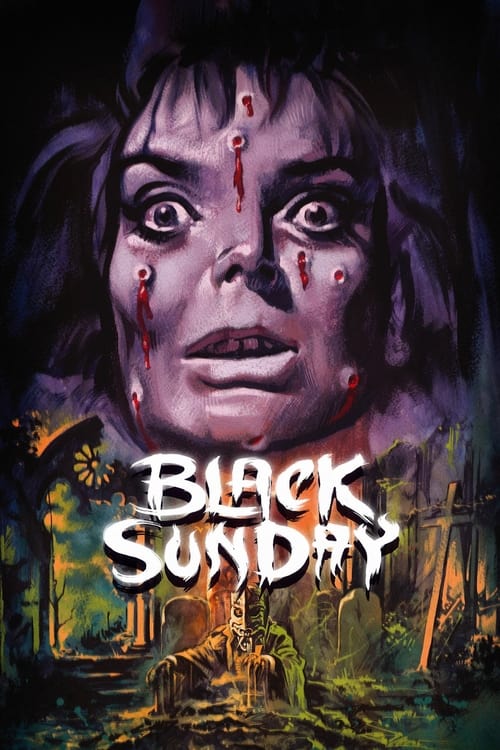
1960
No reviews yet. Be the first to share your thoughts on this movie!
Use the rating form above to leave a star rating and optional review.