
Curse of the Devil
1973
No user ratings available yet
Representation score: 0.5 out of 10
Representation Score
Limited
1968
GPDirector
Enrique López Eguiluz
Runtime
91 minutes
Average Rating
No ratings yetNew Showbiz Analysis
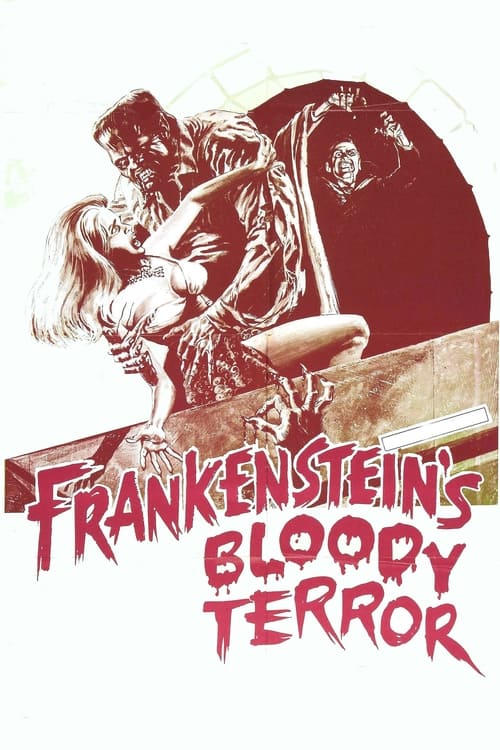
Frankenstein's Bloody Terror exemplifies mid-century genre cinema. It diversifies the horror landscape by providing a non-Western perspective on classic archetypes. However, the film adheres to the social and gender hierarchies of its time. The narrative structure prioritizes traditional clichés over the subversion of power dynamics or the exploration of diverse identities. Ultimately, the film reinforces conventional patriarchal structures and uses physical differences primarily for horror-driven spectacle.
Category Breakdown
The film follows the conventions of 1960s horror, which assumes everyone is straight or cisgender. There are no representations of LGBTQ+ identities or same-sex relationships.
Women in the film mainly serve as damsels or assistants within traditional hierarchies. Power dynamics favor male figures such as the scientist and the werewolf.
The film offers meaningful representation by featuring a Mexican cast and crew. This provides a non-Western perspective on classic horror themes.
The story follows typical genre morality without challenging established institutions. It uses the mad scientist cliché without significant secularist or anti-establishment critiques.
Physical deformities are used as markers of the 'other' through the monster archetype. The film treats physical differences as a source of horror rather than a nuanced exploration.
Present on Screen
Limited or Absent
Official Synopsis
A man suffers from the curse of lycanthrope and seeks help from doctor and wife team. They both turn out to be vampires and end up dueling it out with the werewolf star.
1973
1960
1972

1973
1962
1964
1970
1961
No reviews yet. Be the first to share your thoughts on this movie!
Use the rating form above to leave a star rating and optional review.