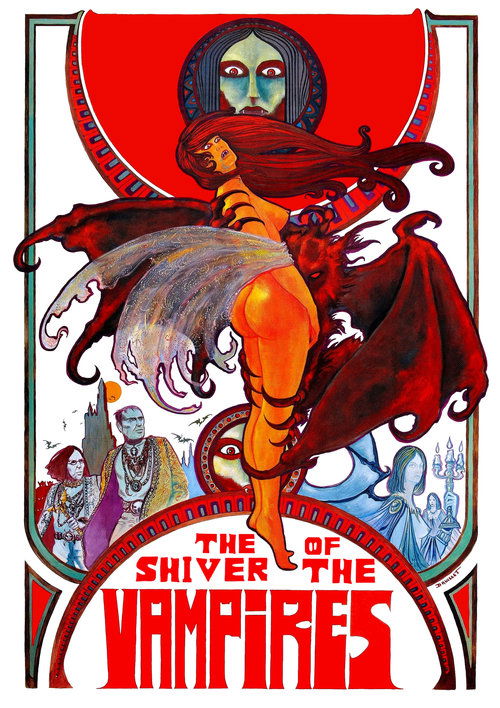
The Shiver of the Vampires
1971
No user ratings available yet
Representation score: 4.6 out of 10
Representation Score
Minimal
1971
RDirector
León Klimovsky
Runtime
95 minutes
Average Rating
No ratings yetNew Showbiz Analysis
The film is a quintessential example of 1970s European genre cinema, emphasizing atmospheric horror and mythological archetypes over social commentary. It adheres strictly to the demographic and social norms of its production era. While the female characters are central to the plot, they remain tied to traditional gendered expectations and the 'damsel' archetype. The narrative structure reinforces existing hierarchies rather than attempting to disrupt them. Ultimately, the work functions as a standard genre exercise. It lacks the intentionality required to explore diverse identities or provide systemic critiques of culture and religion.
Category Breakdown
The film does not include LGBTQ+ characters or non-straight relationships. The interpersonal dynamics focus on traditional Gothic romance and predation without any queer undertones.
Female protagonists Elvira and Genevieve are central to the plot but are often portrayed as victims of supernatural forces. The narrative leans on established clichés of female vulnerability.
The production features a predominantly European cast with no non-white actors or race-bent casting. There is no evidence of racial or ethnic diversity.
Standard Western Gothic elements like religious imagery set the tone. These elements are used as foundational components rather than tools for critique.
There is no significant depiction of visible or invisible disabilities. Characters are defined by their supernatural roles rather than any neurodivergence or physical impairments.
Present on Screen
Limited or Absent
Official Synopsis
Elvira is travelling through the French countryside with her friend Genevieve, searching for the lost tomb of a medieval murderess and possible vampire, Countess Wandessa. They find a likely site in the castle of Waldemar Daninsky, who invites the women to stay as long as they like. As Waldemar shows Elvira the tomb that supposedly houses the countess, she accidentally causes the vampire to come back to life, hungrier than ever. Daninsky has a hidden secret of his own, but will it be enough to save the two girls from becoming Wandessa's next victims?
1971

1973
1973
1964

1975
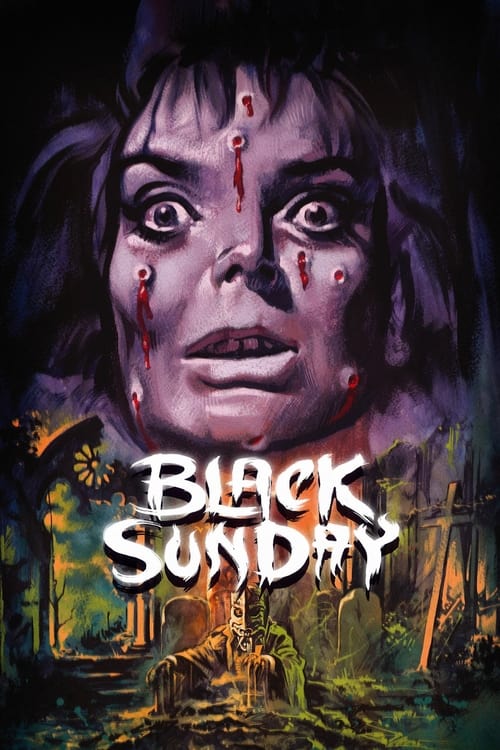
1960
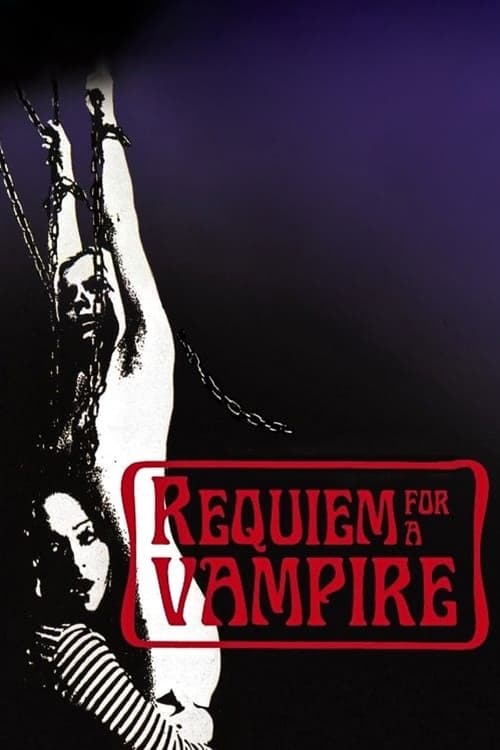
1972
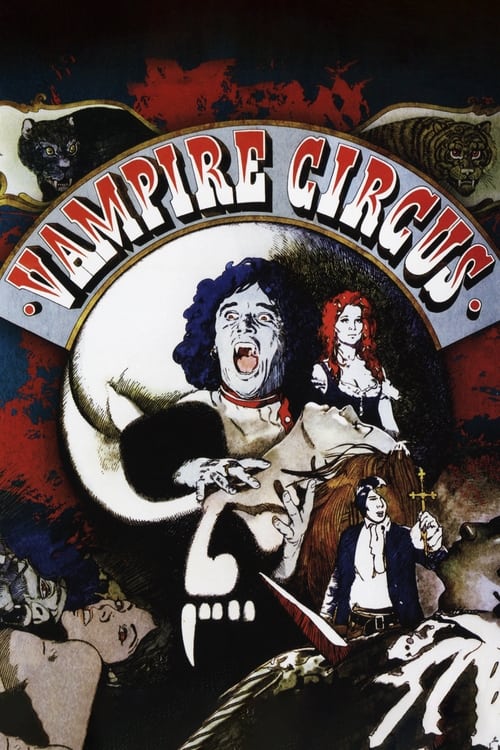
1972
No reviews yet. Be the first to share your thoughts on this movie!
Use the rating form above to leave a star rating and optional review.