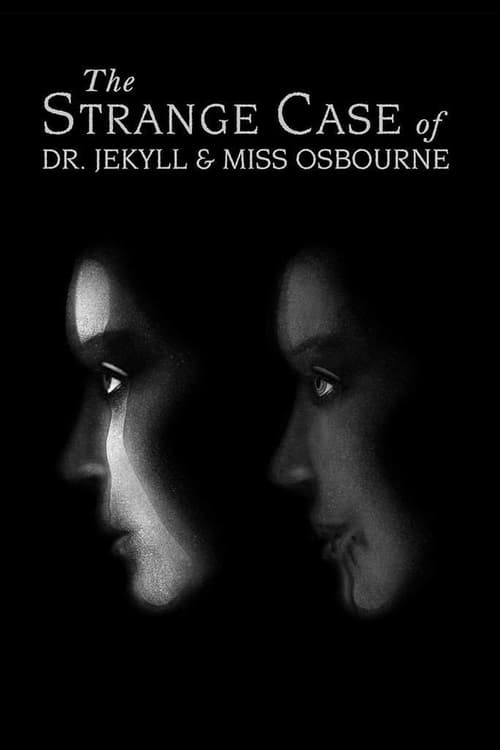
The Strange Case of Dr. Jekyll and Miss Osbourne
1981
No user ratings available yet
Representation score: 4.7 out of 10
Representation Score
Good
1971
PGDirector
Roy Ward Baker
Runtime
97 minutes
Average Rating
No ratings yetNew Showbiz Analysis
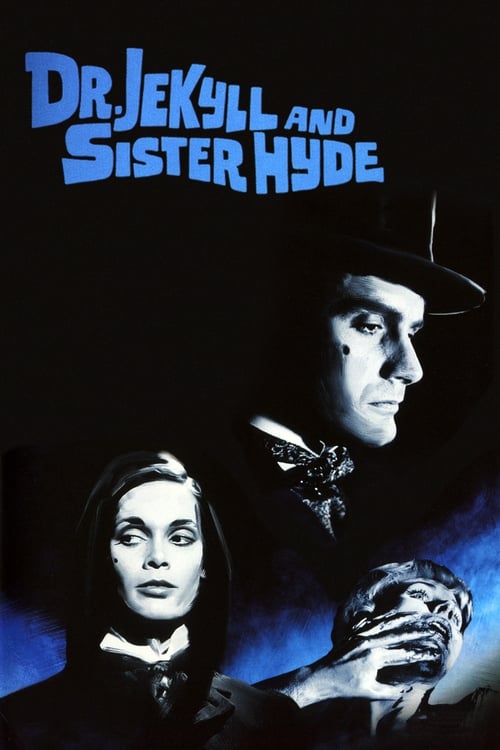
Dr. Jekyll & Sister Hyde stands out in the Hammer Horror tradition by focusing on gender destabilization rather than traditional moral dualities. By replacing the male Hyde with a dominant female persona, the film delves into complex themes of identity and power dynamics. While the film excels in challenging traditional gender roles and exploring non-traditional gender identities, it remains constrained by its period-specific, homogeneous setting. The lack of racial diversity and the use of psychological distress as a genre cliché limit its broader impact. Overall, the film is a progressive outlier for its time, offering a sophisticated critique of the biological binary despite its narrow social scope.
Category Breakdown
The film explores gender fluidity by transforming a male protagonist into a female persona. This disrupts Victorian assumptions about gender, presenting Sister Hyde as someone who doesn't fit neatly into traditional gender roles.
The narrative challenges traditional gender roles by replacing the ineffective Dr. Jekyll with the powerful Sister Hyde. It shifts the focus from male-dominated science to female-driven hedonism, disrupting Victorian gender norms.
Set in Victorian London, the film features a predominantly white cast with no significant racial diversity or representation of non-Anglo-Saxon cultures.
The story criticizes Victorian moral absolutes through Sister Hyde’s transgressive behavior. It highlights the corruption of established institutions and rigid social structures through scientific experimentation.
The protagonist's psychological breakdown serves as a metaphor for mental health issues. However, these elements often function as plot devices in the horror genre rather than nuanced character development.
Present on Screen
Limited or Absent
Official Synopsis
In foggy London Dr Jekyll experiments on newly deceased women determined to discover an elixir for immortal life. Success enables his spectacular transformation into the beautiful but psychotic Sister Hyde who stalks the dark alleys of Whitechapel for young, innocent, female victims, ensuring continuation of the bloodstained research. With each transformation Sister Hyde becomes the more dominant personality, determined to eventually suppress the frail, ineffectual Dr Jekyll forever.
1981
1960
2021
1960
1979

1974
1989
1931
No reviews yet. Be the first to share your thoughts on this movie!
Use the rating form above to leave a star rating and optional review.