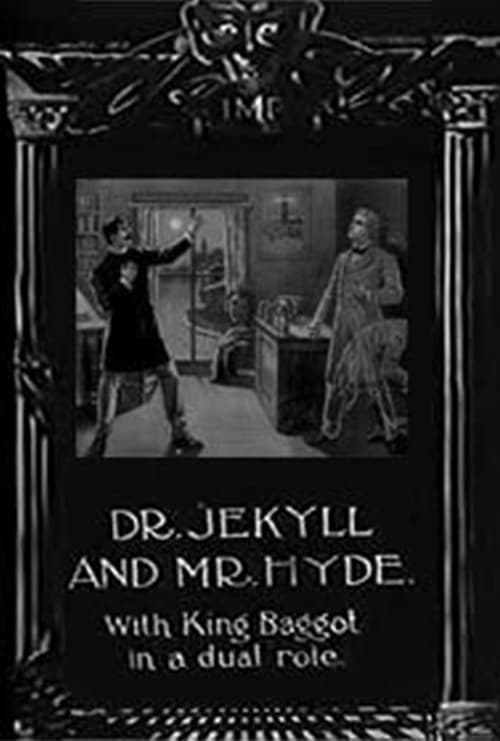
Dr. Jekyll and Mr. Hyde
1913
No user ratings available yet
Representation score: 1.5 out of 10
Representation Score
Minimal
1960
ApprovedDirector
Terence Fisher
Runtime
88 minutes
Average Rating
No ratings yetNew Showbiz Analysis
Terence Fisher’s 1960 horror classic is a product of its time, emphasizing a traditional moral framework over social disruption. The film focuses almost entirely on the internal psychological duality of its male protagonist, leaving little room for diverse perspectives. The narrative structure reinforces established Victorian hierarchies. By centering the conflict on a single man's scientific hubris, the film maintains a homogeneous social landscape that lacks depth in reflecting multiple aspects of identity. While the film employs psychological transformation as a central plot device, it does not offer meaningful representation of lived experiences. It remains a quintessential example of mid-century genre filmmaking that upholds conventional social norms.
Category Breakdown
The film adheres to strict assumptions about everyone being straight and cisgender. It does not depict any non-straight or non-cisgender identities or provide any queer undertones.
Female characters are portrayed in traditional roles with limited influence. The story centers around masculine authority and the male lead's journey towards mastering himself.
The cast is primarily white, depicting a homogeneous Victorian London. There is no inclusion of non-Anglo-Saxon characters or diverse viewpoints.
The story upholds Western institutional stability through a traditional moral contrast. It serves as a cautionary tale about scientific arrogance and social order.
The transformation into Hyde symbolizes a loss of psychological control. However, this serves as a horror plot device rather than a nuanced portrayal of disability.
Present on Screen
Limited or Absent
Official Synopsis
After a series of scientific experiments directed towards freeing the inner man and controlling human personalities, the kindly, generous Dr Henry Jekyll succeeds in freeing his own alter ego, Edward Hyde, a sadistic, evil creature whose pleasure is murder.
1913
1969
1972

1931

1974
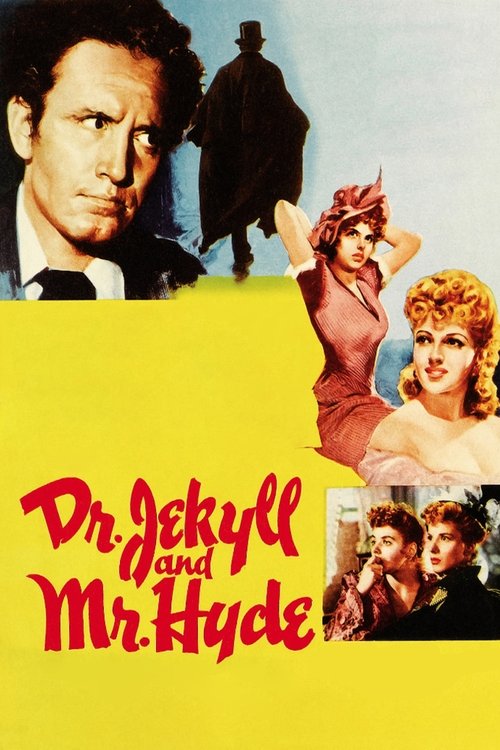
1941
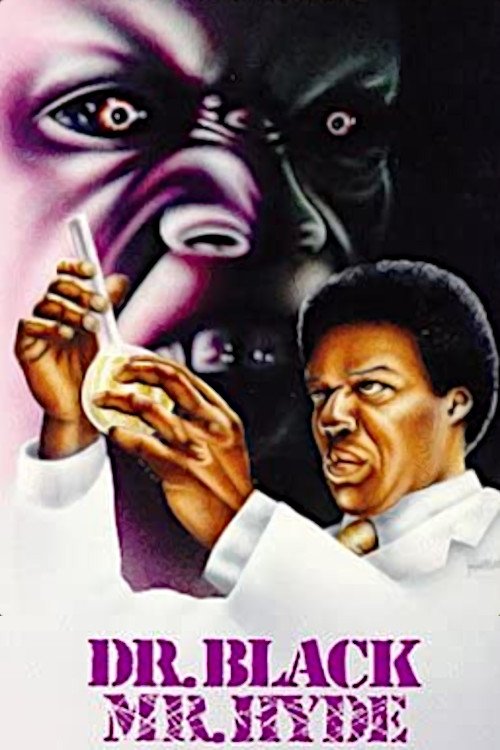
1979
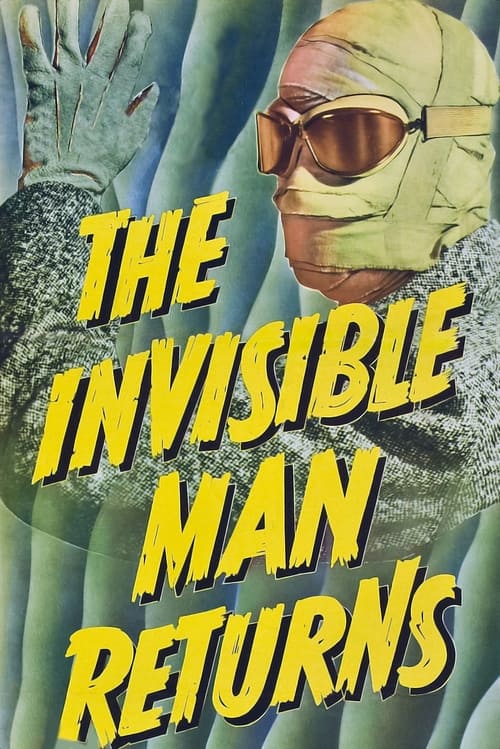
1940
No reviews yet. Be the first to share your thoughts on this movie!
Use the rating form above to leave a star rating and optional review.