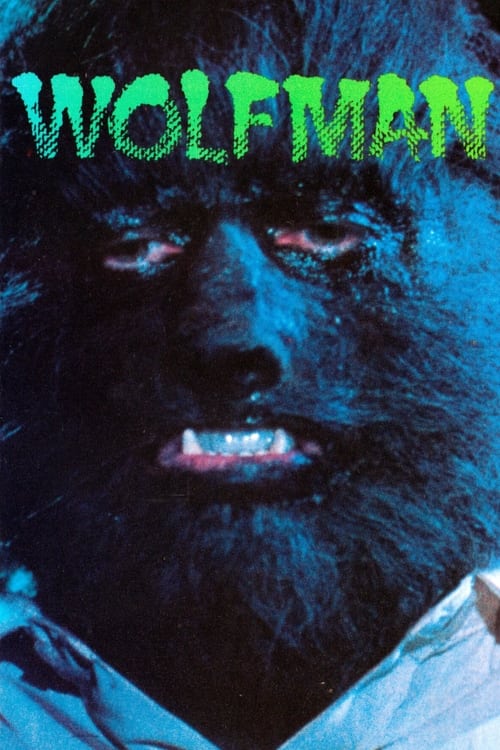
Wolfman
1979
No user ratings available yet
Representation score: 2.6 out of 10

Representation Score
Minimal
1973
RDirector
Carlos Aured
Runtime
84 minutes
Average Rating
No ratings yetNew Showbiz Analysis
Curse of the Devil is a period-specific genre exercise that adheres to the social norms of 1970s European horror. It prioritizes atmospheric Gothic elements over any meaningful engagement with multi-layered themes or progressive social frameworks. The narrative structure reinforces established hierarchies, particularly regarding gender and social roles. By relying on conventional clichés, the film functions as a standard exploitation piece rather than a work that seeks to disrupt or deconstruct systemic power. Ultimately, the film offers little to no disruption of cultural or identity-based norms, remaining firmly rooted in the stylistic conventions of its era.
Category Breakdown
The film does not include any LGBTQ+ characters or non-cisgender identities. It follows traditional heterosexual romantic storylines typical of 1970s Gothic horror.
Gender roles follow traditional hierarchies. The female protagonist frequently serves as a damsel in distress, while male characters hold positions of authority or predatory dominance.
The cast is predominantly white, reflecting the Eurocentric casting practices common in early 1970s European cinema. There is no intentional effort to include diverse racial backgrounds.
The story relies on supernatural superstitions and Gothic dread. It avoids critiques of Western institutions, focusing on traditional horror elements and moral lessons.
There is no representation of physical or neurodivergent disabilities. Characters exist within standard horror genre parameters without addressing the lived experiences of those with disabilities.
Present on Screen
Limited or Absent
Official Synopsis
An ancient curse causes the ancestor of a witch hunter to turn into a bloodthirsty werewolf.
1979
1960
1987
1964
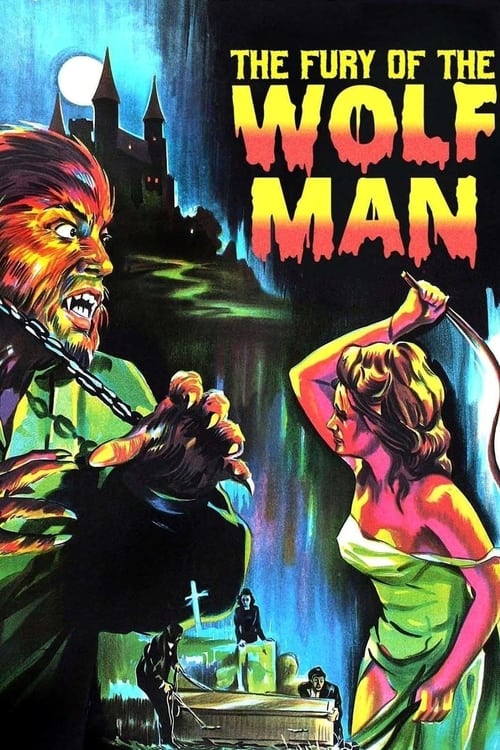
1972
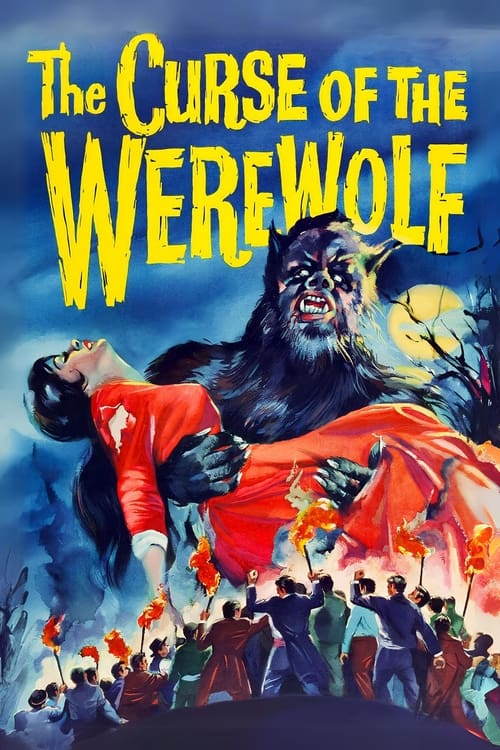
1961
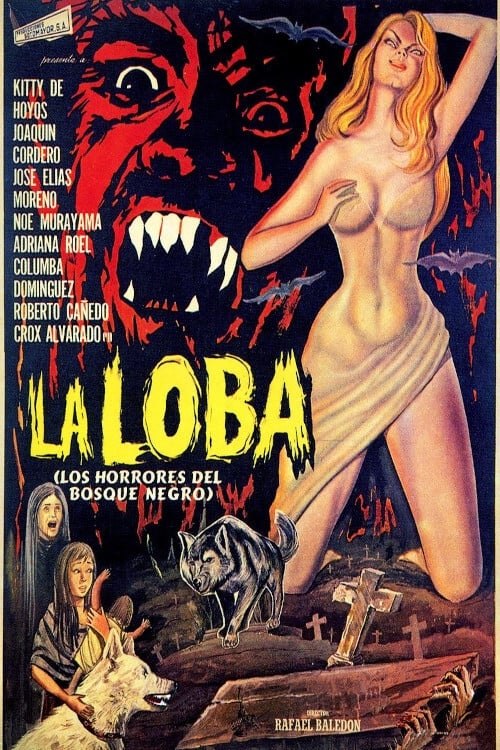
1965

1973
No reviews yet. Be the first to share your thoughts on this movie!
Use the rating form above to leave a star rating and optional review.