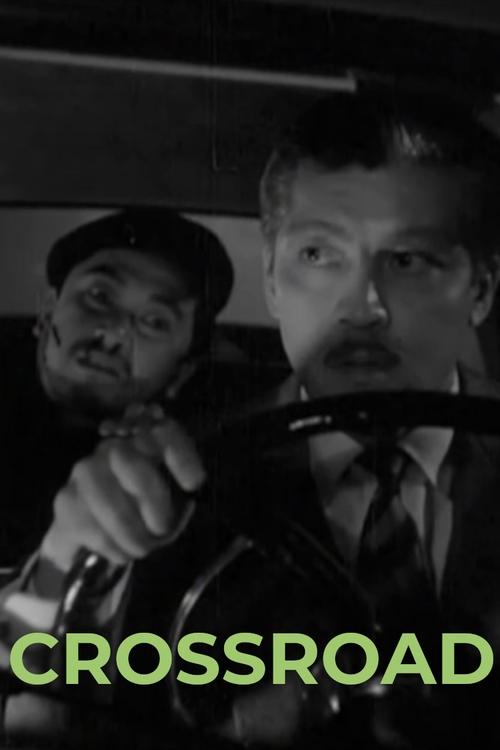
Crossroad
1956
No user ratings available yet
Representation score: 0.9 out of 10
Representation Score
Minimal
1944
AtpDirector
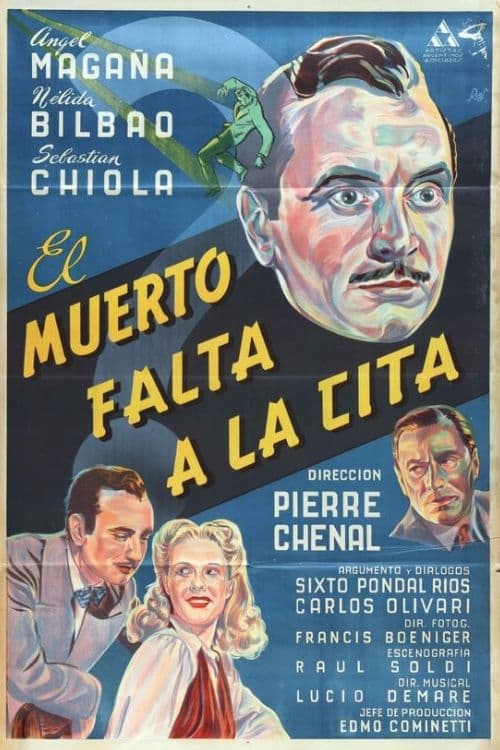
Pierre Chenal
Runtime
80 minutes
Average Rating
No ratings yetNew Showbiz Analysis
Pierre Chenal’s 1944 thriller is a crime drama set in a specific historical period. The plot centers on a bourgeois man’s accidental wrongdoing and the resulting personal guilt. The film emphasizes individual morality over broader social critiques. The movie does not intentionally represent diverse identities. It follows the traditional crime genre clichés of the 1940s, focusing on class tensions and domestic stability rather than challenging established social norms. Overall, the film serves as a character study of a man’s personal crisis. It fails to offer meaningful representation for underrepresented groups or diverse cultural contexts.
Category Breakdown
The film doesn't include any characters with non-traditional gender identities or same-sex relationships. The story revolves around a traditional marriage.
The main character is a man, and the story revolves around his personal crisis. Women are mostly seen as supporting figures to his moral dilemma.
The main character is described as part of a homogeneous European demographic. There are no non-white characters or diverse backgrounds represented.
The film focuses on the personal morality of a bourgeois character. It examines individual guilt rather than critiquing broader societal issues.
There are no characters with visible or invisible disabilities. Disabilities are not used as narrative elements.
Present on Screen
Limited or Absent
Official Synopsis
On the night of his marriage, a young bourgeois man runs over a cyclist. He believes he is dead and hides the body. However, a mysterious character will later appear in his life.
1956
1955
1953
1975
1956
1956
1950

1946
No reviews yet. Be the first to share your thoughts on this movie!
Use the rating form above to leave a star rating and optional review.