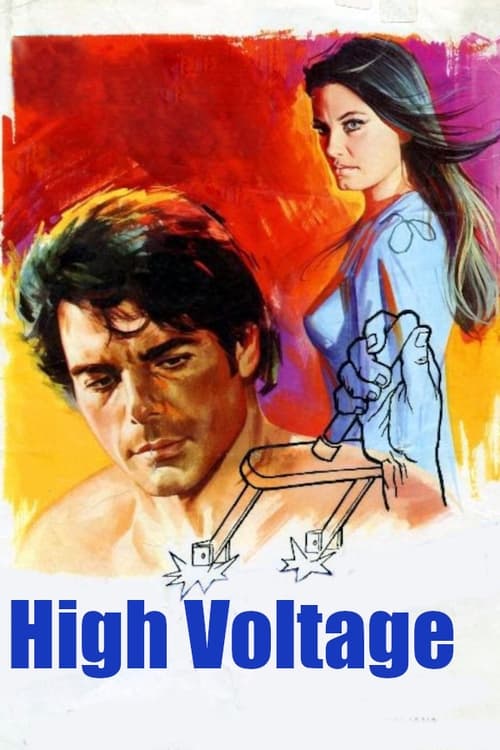
High Voltage
1972
No user ratings available yet
Representation score: 2.3 out of 10
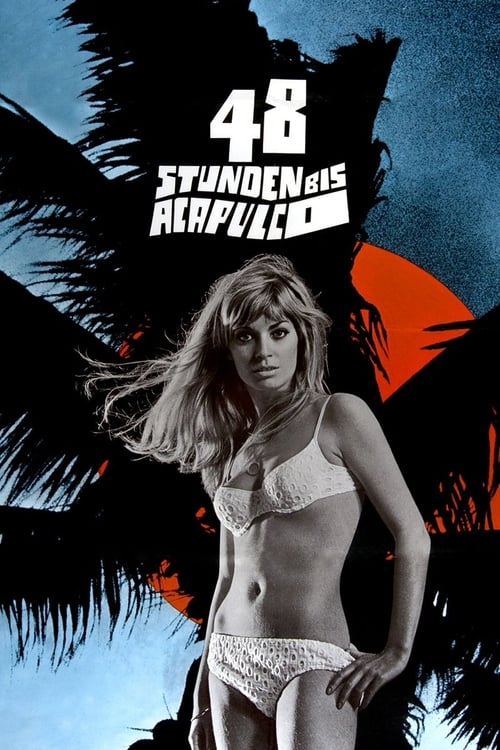
Representation Score
Fair
1967
Director
Klaus Lemke
Runtime
81 minutes
Average Rating
No ratings yetNew Showbiz Analysis
Klaus Lemke’s crime thriller explores counter-cultural themes rather than identity-focused issues. Its strength lies in rejecting institutional stability, offering a gritty look at the criminal underworld and moral ambiguity. While the film features international locations in Italy and Mexico, providing a broader geographic scope, it adheres closely to traditional crime genre clichés. The story prioritizes the mechanics of the criminal underworld over diverse social representation. Overall, the film presents anti-social protagonists, disrupting a homogeneous perspective through its setting and themes, despite a lack of specific, verifiable evidence of diverse casting.
Category Breakdown
The film does not explicitly include LGBTQ+ characters or narratives that challenge traditional heterosexual relationships. It follows typical crime genre conventions centered around criminal activities.
The story focuses on a male character's criminal ambitions. Female characters like Christiane Krüger play important roles, but their specific involvement in the criminal underworld remains stereotypical.
Locations in Italy and Mexico hint at cultural diversity. However, there is no indication of a predominantly non-white cast or significant representation of multiple aspects of diversity.
The narrative questions conventional social order by emphasizing illicit activities. This focus on moral relativism and betrayal challenges traditional merit-based values.
There is no information available regarding the depiction of physical or neurodivergent disabilities in this film.
Present on Screen
Limited or Absent
Official Synopsis
A young man gets caught up in criminal activities in order to fulfill his desire for an easy life.
1972
1949
1972

1955

1971
1972
1955

1950
No reviews yet. Be the first to share your thoughts on this movie!
Use the rating form above to leave a star rating and optional review.