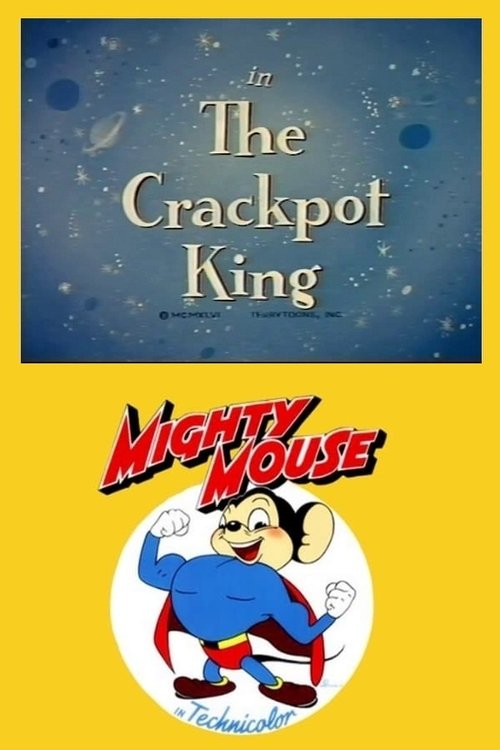
The Crackpot King
1946
No user ratings available yet
Representation score: 1.1 out of 10

Representation Score
Minimal
1933
NRDirector
Burt Gillett
Runtime
8 minutes
Average Rating
No ratings yetNew Showbiz Analysis
Ye Olden Days is a traditional story that upholds the norms of its time. It focuses on simple storytelling and uses a medieval setting for humor. The film follows established conventions of the Silly Symphony series, using a straightforward plot to restore social order through physical strength. It does not challenge traditional norms related to gender, race, or institutions.
Category Breakdown
The film sticks to traditional romantic storylines and doesn't explore LGBTQ themes.
The story emphasizes traditional gender roles, with the male character taking a leading role in resolving conflicts.
The cast is made up of similar characters, reflecting a Eurocentric tradition. There is no attempt to include diverse ethnic backgrounds.
The film highlights traditional Western stories and social structures without questioning them.
There is no depiction of characters with physical or neurological disabilities.
Present on Screen
Limited or Absent
Official Synopsis
The princess is to wed the Prince against her wishes. When she refuses, the king locks her in the tower. Minstrel Mickey sees her and rescues her, making a rope from the clothes of lady-in-waiting Clarabell. The king spots them and prepares to chop off Mickey's head until Minnie intercedes. The king calls for a joust. Mickey wins and they live happily ever after.
1946
1980
1927
1950
1958
1945
1939
1934
No reviews yet. Be the first to share your thoughts on this movie!
Use the rating form above to leave a star rating and optional review.