Gregorio
1985
No user ratings available yet
Diversity score: 5.9 out of 10
1978
Director
Hall Bartlett
Runtime
126 minutes
Average Rating
No ratings yetSynopsis
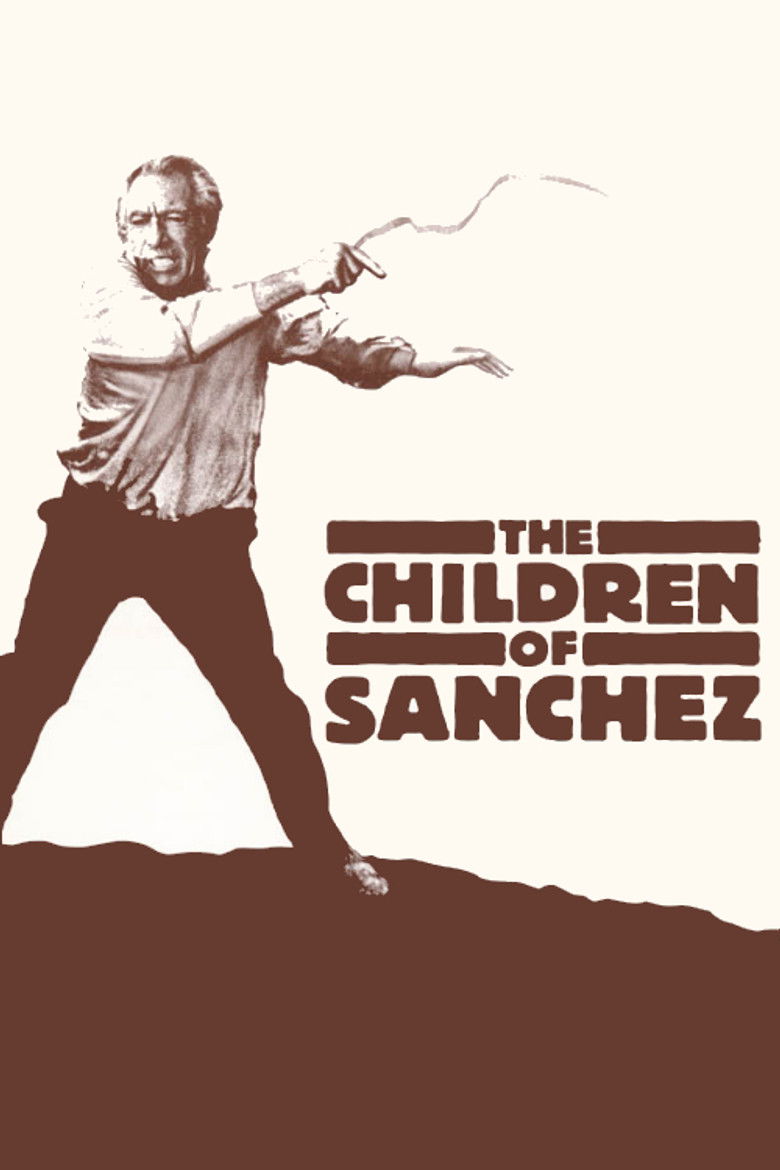
Hall Bartlett directs the rural drama The Children of Sanchez, based on the tome The Children of Sanchez: Autobiography of a Mexican Family written by Oscar Lewis in the '60s. Anthony Quinn stars as the widowed Jesus Sanchez, a poor farmer struggling to provide for his family in Mexico City. Also starring Lupita Ferrer as Consuelo and Stathis Giallelis as Roberto. This is the last film in the 50-year career of international star Dolores del Rio, who plays the Grandma. Jazz-pop performer Chuck Mangione was nominated for a Golden Globe and won a Grammy award for his original musical score.
Overall Score
Fair
Category Breakdown
LGBTQ+ Representation
The film lacks LGBTQ+ characters or explorations of non-cisnormative identities. The narrative focuses exclusively on a heteronormative family unit facing socioeconomic pressures.
Gender Representation
The story operates within a patriarchal framework centered on Jesus Sanchez. However, it provides nuance by highlighting the emotional labor and psychological struggles of the female characters.
Racial & Ethnic Diversity
The film achieves high ethnic authenticity with a predominantly Mexican cast. It avoids whitewashing by centering the narrative on the Mexican working class and their specific cultural landscape.
Religious & Cultural Diversity
The film critiques religious and capitalist institutions that clash with the survival of the marginalized. It portrays religious authority as disconnected from the material suffering of the poor.
Disability Representation
There are no specific depictions of physical, neurodivergent, or sensory disabilities. The film focuses on the systemic condition of poverty rather than individual disabilities.
Strengths
Areas for Improvement
AI Analysis
The film is a significant work of social realism that prioritizes the lived experiences of a marginalized ethnic group. It successfully avoids common Hollywood tropes by grounding the drama in the authentic socioeconomic realities of the Mexican working class. While the narrative is deeply rooted in ethnic and class identity, it remains constrained by traditional gender hierarchies. The patriarchal structure is central to the plot, even as the film explores the instability caused by the male lead's struggles. Ultimately, the film functions as a critique of systemic inequality. It frames the Sanchez family's hardships as the direct consequence of institutional and economic structures rather than personal failings.
1985

2013

1966

1963

1974

1994
1951
1948

1976
1976
1959
1987
No reviews yet. Be the first to share your thoughts on this movie!
Use the rating form above to leave a star rating and optional review.