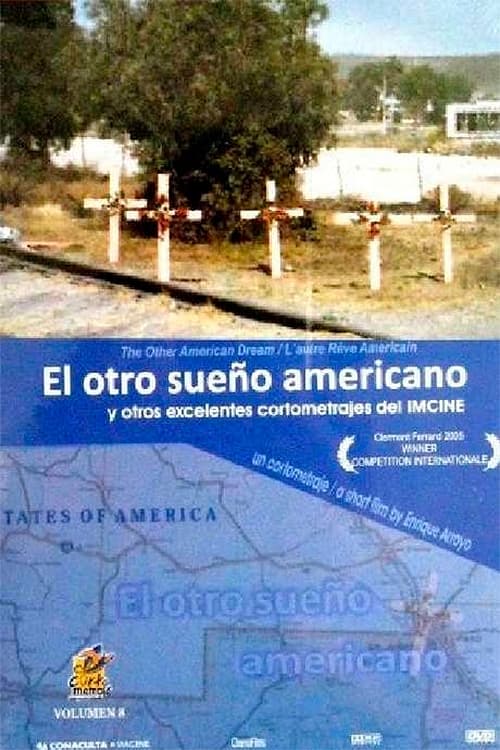
The Other American Dream
2004
No user ratings available yet
Representation score: 4.7 out of 10

Representation Score
Fair
2013
Not RatedDirector
Diego Quemada-Díez
Runtime
110 minutes
Average Rating
No ratings yetNew Showbiz Analysis
The Golden Dream is a powerful film that centers the experiences of underrepresented populations. It excels in its portrayal of Central American and Indigenous identities, offering a counter-narrative to mainstream depictions of migration. By focusing on the lives of Guatemalan youth, the film challenges established geopolitical hierarchies and critiques the systemic forces of the Global North. However, the film’s scope is limited in representing specific identity-based narratives. It lacks any depiction of LGBTQ+ identities or characters whose primary stories revolve around disability. The narrative remains tightly focused on the survival and kinship of its central protagonists. Ultimately, the film’s strength lies in its socio-political realism. It replaces traditional Western moral absolutes with a nuanced look at survival-based ethics, making it a vital study of how economic structures impact human life.
Category Breakdown
The film focuses solely on the fraternal bond between the two main characters and does not include any representation of LGBTQ+ identities or non-traditional gender roles.
The movie challenges traditional views of masculinity by highlighting the vulnerability of male characters under extreme stress. Gustavo tries to protect others but his actions reveal the fragility of masculinity in harsh conditions.
The film provides excellent representation of Central American and Indigenous identities. It centers the experiences of Guatemalan migrants and uses ethnic backgrounds as key plot drivers.
The story offers a deep critique of global power dynamics and economic inequality. It uses a post-colonial perspective to highlight how Western borders and capitalism affect families.
While the film depicts extreme physical trauma and the health impacts of migration, it does not feature any characters whose primary storylines revolve around permanent disabilities or neurodivergence.
Present on Screen
Limited or Absent
Official Synopsis
A group of Central-American teen-agers depart from the slums of Guatemala City escaping poverty and violence, towards the promised land of California.
2004

2019
2017
2007

2014

2013

2017

2011
No reviews yet. Be the first to share your thoughts on this movie!
Use the rating form above to leave a star rating and optional review.