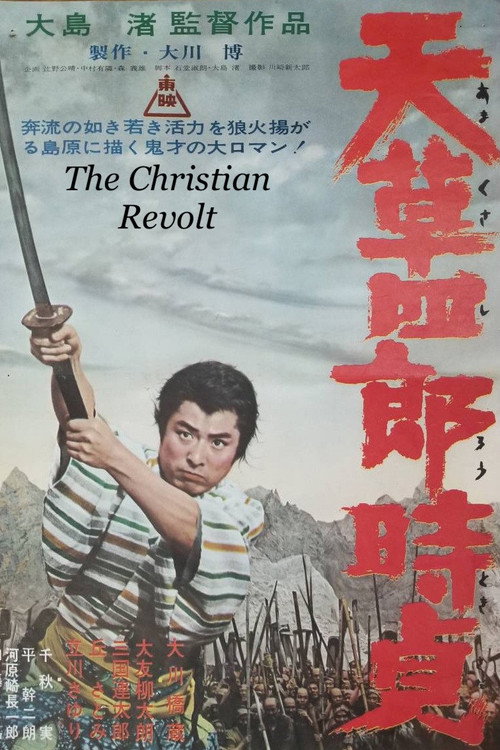
The Christian Revolt
1962
No user ratings available yet
Representation score: 3.5 out of 10
Representation Score
Fair
1975
Director
Vatroslav Mimica
Runtime
145 minutes
Average Rating
No ratings yetNew Showbiz Analysis
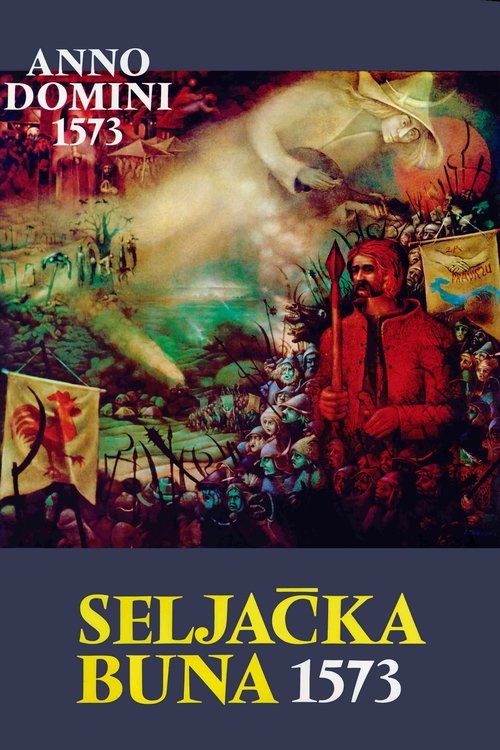
Anno Domini 1573 is a historical drama that prioritizes class struggle over modern identity-based representation. Its primary strength lies in its deconstruction of systemic power structures, framing the feudal lords as the central antagonists. The film provides a valuable non-Western perspective by centering on the specific struggles of Balkan peasants. However, the narrative lacks explicit focus on gendered ability to act or LGBTQ+ identities, adhering to traditional historical dramatization patterns. Ultimately, the film functions as a critique of hierarchy. It succeeds in challenging the romanticization of ruling classes but remains limited in its exploration of diverse personal identities.
Category Breakdown
The film focuses on a 16th-century peasant revolt. There is no indication of non-straight relationships or queer narratives within this historical context.
The narrative centers on macro-historical conflict and class warfare. While it challenges social hierarchies, there is no specific evidence of female characters taking a leading role.
The story depicts the historical realities of Slovenia and Croatia. It offers a localized, non-Anglo-centric perspective by focusing on Balkan peasantry rather than Western European lenses.
The film frames feudal institutions and the landed aristocracy as inherently oppressive. It prioritizes the ability to act of the oppressed through a bottom-up revolt against systemic corruption.
There is no discernible information regarding the portrayal of physical or neurodivergent disabilities in this work.
Present on Screen
Limited or Absent
Official Synopsis
Europe in second half of 16th century was very rough place to live. Peasants of Slovenia and Croatia had even rougher times because of the constant threat of Turk raids and being taxed to death in order to provide defence against the Turks. But, the worst things were arrogant local feudal lords led by Franjo Tahi who were oppresing the common folk. All that led to the great peasant revolt of 1573. The movie is made for the 400th anniversary of the event.
1962

1967
1956
1999
2026

1989
1980
2018
No reviews yet. Be the first to share your thoughts on this movie!
Use the rating form above to leave a star rating and optional review.