
Bonnie Prince Charlie
1948
No user ratings available yet
Representation score: 0.8 out of 10
Representation Score
Minimal
1970
GDirector
Ken Hughes
Runtime
140 minutes
Average Rating
No ratings yetNew Showbiz Analysis
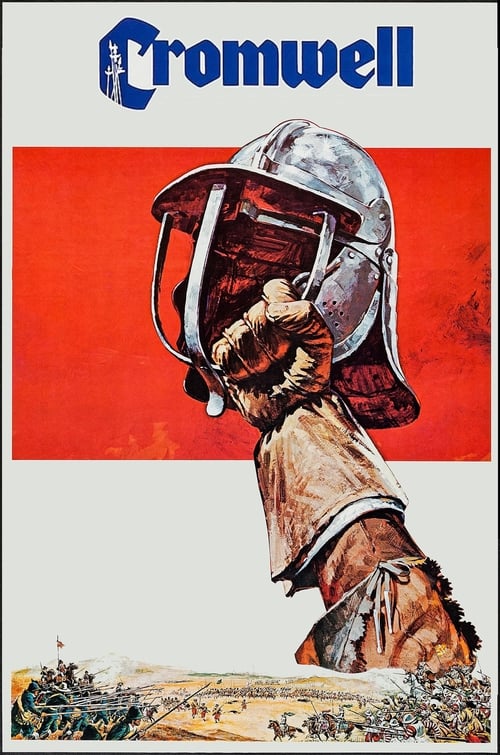
Cromwell is a traditional historical epic that centers on the political and military tensions of the English Civil War. While it provides a deep look into the ideological shifts of the 17th century, the narrative remains rooted in the social hierarchies of the time. The film's demographic focus is narrow, excluding diverse identities and perspectives by modern standards. However, it effectively disrupts the political order of the era through a lens that is culturally and demographically limited.
Category Breakdown
The film follows strict 17th-century social norms, with no depiction of non-traditional gender identities or same-sex relationships. It focuses on traditional family and political alliances.
Female characters such as Elizabeth Cromwell are present but confined to domestic roles. The narrative emphasizes male-dominated political and military spheres, reinforcing traditional gender roles.
The cast is predominantly white and European, lacking diverse ethnic backgrounds or perspectives. The film reflects the social constraints of the time, focusing on internal English conflicts.
The film examines the rise of Puritanism and the breakdown of monarchical order. It highlights the complex religious conflicts but primarily serves as a backdrop for political change.
There is no representation of physical or neurodivergent disabilities among the characters.
Present on Screen
Limited or Absent
Official Synopsis
Disgusted with the policies of King Charles I, Oliver Cromwell plans to take his family to the New World. But on the eve of their departure, Cromwell is drawn into the tangled web of religion and politics that will result in the English Civil War.
1948

1944
1963

1939

1968

1979

1962

1966
No reviews yet. Be the first to share your thoughts on this movie!
Use the rating form above to leave a star rating and optional review.