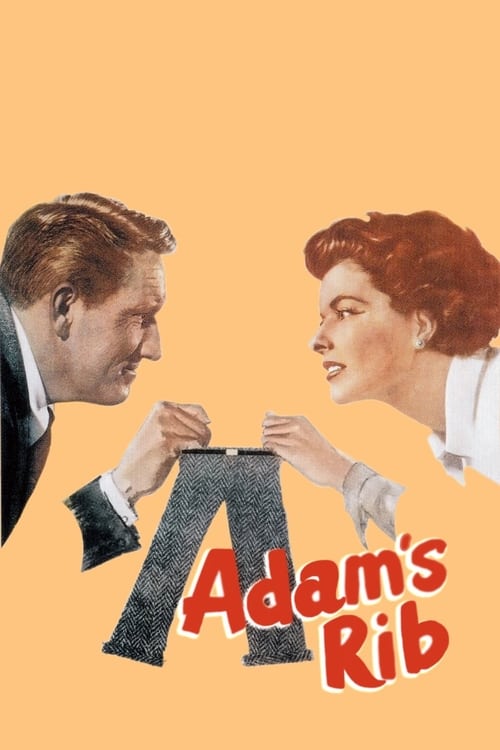
Adam's Rib
1949
No user ratings available yet
Representation score: 2.2 out of 10
Representation Score
Limited
1939
NRDirector
George Cukor
Runtime
133 minutes
Average Rating
No ratings yetNew Showbiz Analysis
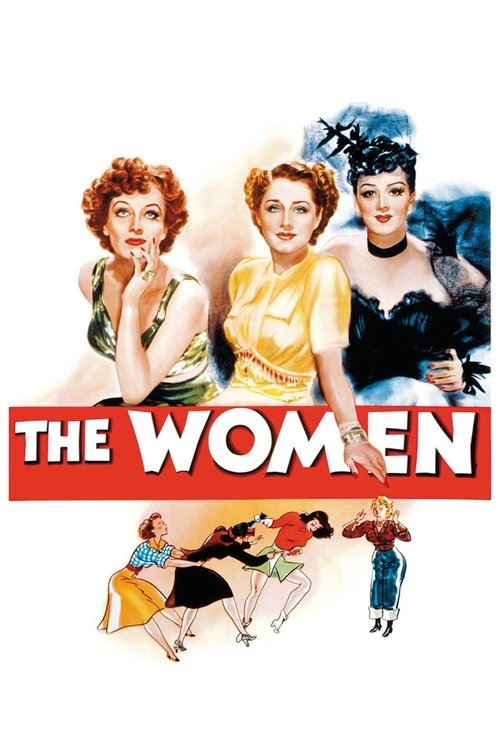
George Cukor’s *The Women* is a radical cinematic experiment that disrupts 1930s Hollywood norms. By constructing a closed ecosystem devoid of male actors, the film shifts power dynamics to center exclusively on female influence and interpersonal politics. While the film excels in gender representation by portraying women as complex drivers of social warfare, it remains limited by the era's social constraints. The lack of racial and LGBTQ+ diversity prevents a more inclusive narrative experience. Ultimately, the film is a nuanced study of female social command that succeeds in its structural subversion of the patriarchal gaze, even while remaining tethered to a narrow, homogeneous socioeconomic setting.
Category Breakdown
The film adheres to a strictly heterosexual and cisgender framework. It focuses on infidelity and marital stability without depicting any non-cisgender identities or same-sex relationships.
This film challenges traditional gender roles by excluding men from the screen entirely. Women are the primary drivers of the plot and conflict, showcasing a range of intelligence and social influence.
The cast is nearly homogeneous, reflecting the narrow, affluent, white social stratum of 1930s Manhattan. There is no depiction of racial diversity or characters who reflect more than one aspect of diversity.
The narrative is rooted in Western elite social structures. Morality is defined by social reputation and class standing rather than religious or ethical standards.
There are no prominent depictions of visible or invisible disabilities that serve as central character arcs or plot devices.
Present on Screen
Limited or Absent
Official Synopsis
A happily married woman lets her catty friends talk her into divorce when her husband strays.
1949
1937
1951

1942

1932

1942
1941
1948
No reviews yet. Be the first to share your thoughts on this movie!
Use the rating form above to leave a star rating and optional review.