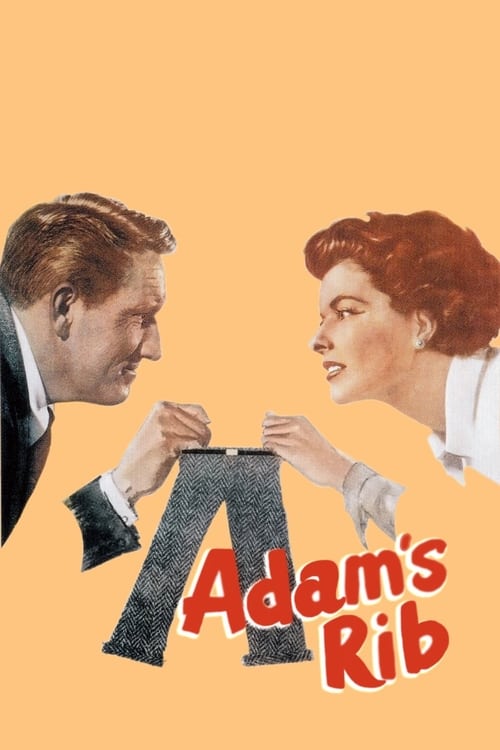
Adam's Rib
1949
No user ratings available yet
Representation score: 2.2 out of 10

Representation Score
Limited
1942
ApprovedDirector
George Stevens
Runtime
114 minutes
Average Rating
No ratings yetNew Showbiz Analysis
Woman of the Year stands out for its bold challenge to the gender norms of the 1940s. By placing a woman in a position of professional power, the film disrupts the conventional expectations of the time. However, the film lacks modern diversity, focusing primarily on intercultural elements without addressing LGBTQ+ identities or broader racial and ethnic diversity. Its strength lies in its exploration of individual identity versus societal constraints, while operating within the social norms of the era.
Category Breakdown
The film focuses solely on a heterosexual relationship and does not include any characters with non-cisgender identities or critique the assumption that everyone is straight.
Tess Harding challenges the gender norms of the 1940s by showcasing superior professional intellect and authority, often overshadowing her male counterpart.
Sam Craig, a foreign journalist, brings a non-Anglo-Saxon perspective to the film, adding cultural diversity to the professional environment.
The story highlights the tension between professional ambition and traditional domestic roles, framing the latter as a source of conflict rather than a positive social norm.
The film does not feature any characters with visible or invisible disabilities that significantly influence the plot or character development.
Present on Screen
Limited or Absent
Official Synopsis
Rival reporters Sam Craig and Tess Harding fall in love and get married, only to find their relationship strained when Sam comes to resent Tess' hectic lifestyle.
1949

1940
1937
1939
1942
1933
1986

1942
No reviews yet. Be the first to share your thoughts on this movie!
Use the rating form above to leave a star rating and optional review.