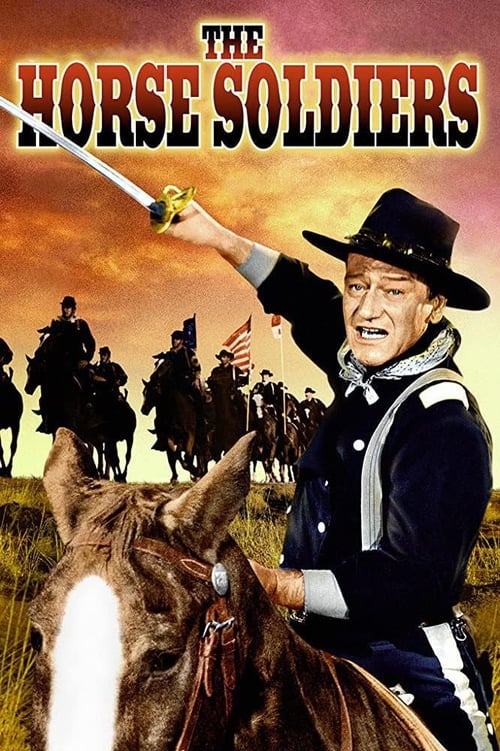
The Horse Soldiers
1959
No user ratings available yet
Diversity score: 2.1 out of 10
1965
NRDirector
Andrew V. McLaglen
Runtime
105 minutes
Average Rating
No ratings yetSynopsis
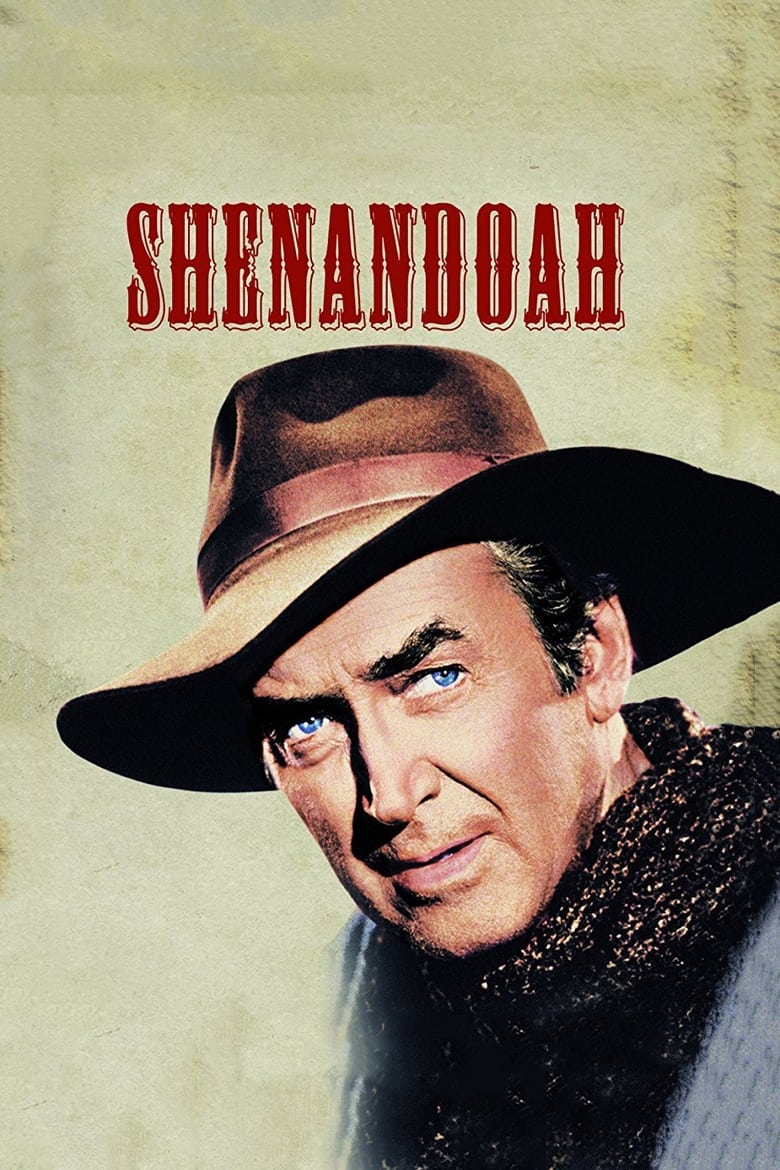
Charlie Anderson, a farmer in Shenandoah, Virginia, finds himself and his family in the middle of the Civil War he wants nothing to do with. When his youngest boy is taken prisoner by the North, the Civil War is forced upon him.
Overall Score
Limited
Category Breakdown
LGBTQ+ Representation
The film lacks LGBTQ+ characters or non-heteronormative identities. The social framework remains strictly heteronormative, reflecting both the period setting and the mid-century era of production.
Gender Representation
The narrative reinforces traditional patriarchal hierarchies centered on Charlie Anderson. Women are depicted within conventional domestic spheres, primarily serving in supportive roles to the central male protagonist.
Racial & Ethnic Diversity
The film depicts the racial complexities of the 1860s, including enslaved individuals and Black soldiers. However, it reflects the era's social reality rather than attempting to disrupt the racial status quo.
Religious & Cultural Diversity
The story focuses on the tension between familial autonomy and military institutions. It frames the protagonist's isolationism as a defense of agrarian life against external political interference.
Disability Representation
There are no prominent depictions of visible or invisible disabilities that serve as central narrative drivers in the film.
Strengths
Areas for Improvement
AI Analysis
Shenandoah is a traditionalist Western that prioritizes the preservation of the family unit over social deconstruction. The narrative architecture adheres to mid-century cinematic norms, emphasizing patriarchal leadership and conventional social structures. While the film offers a nuanced look at how war disrupts local agrarian life, it does not seek to challenge Western hierarchies. It functions as a study of individual agency within a rigid, historical social framework. Ultimately, the film reflects the social realities of the 1860s without attempting to promote progressive shifts or contemporary intersectional frameworks.
1959
1970
1963
1953

1949
1969
1956
1970
1948
1960
1971
1941
No reviews yet. Be the first to share your thoughts on this movie!
Use the rating form above to leave a star rating and optional review.