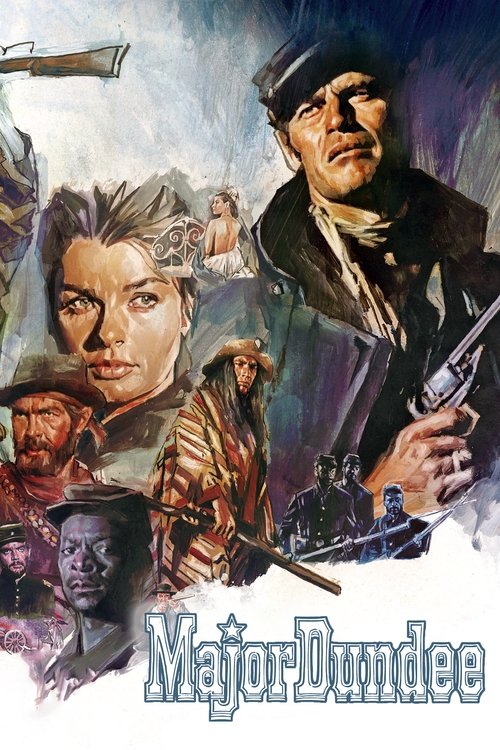
Major Dundee
1965
No user ratings available yet
Representation score: 3.7 out of 10
Representation Score
Limited
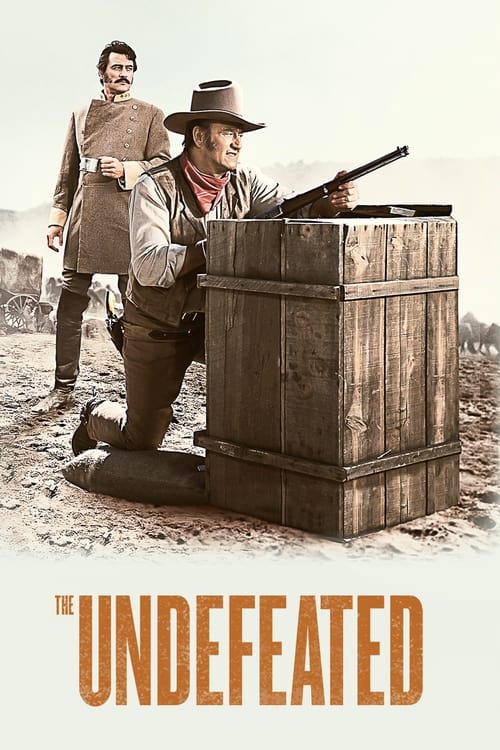
1969
PGDirector
Andrew V. McLaglen
Runtime
119 minutes
Average Rating
No ratings yetNew Showbiz Analysis
The Undefeated follows a traditional 1960s Western narrative, emphasizing established genre clichés over diverse representation. The story revolves around the tension between former Union and Confederate officers, highlighting masculine leadership and individual survival. Although the film explores nuanced moral complexities, it fails to offer meaningful representation for women, people of color, or those with disabilities. The story remains centered on white male experiences within a male-dominated world. Overall, the film adheres to the era’s casting and storytelling conventions, lacking multi-layered depth or challenging systemic norms.
Category Breakdown
The film does not include any LGBTQ+ characters or explore non-straight relationships. Relationships and conflicts revolve around male friendships and traditional masculinity.
The story centers on male protagonists who have significant control over the plot. Women are present but play minor roles typical of Western narratives.
The cast is mostly white, focusing on American characters despite the Mexican backdrop. Non-white characters have limited roles and depth.
The story touches on moral complexities by examining the conflicting loyalties of former Civil War enemies. However, it stays rooted in traditional Western ideals of masculine leadership.
The film does not portray any physical or cognitive disabilities. Characters are defined by their ability to fight and survive.
Present on Screen
Limited or Absent
Official Synopsis
After the Civil War, ex-Union Colonel John Henry Thomas and ex-Confederate Colonel James Langdon are leading two disparate groups of people through strife-torn Mexico. John Henry and company are bringing horses to the unpopular Mexican government for $35 a head while Langdon is leading a contingent of displaced southerners, who are looking for a new life in Mexico after losing their property to carpetbaggers. The two men are eventually forced to mend their differences in order to fight off both bandits and revolutionaries, as they try to lead their friends and kin to safety.
1965
1954
1970
1970
1948
1961
1972
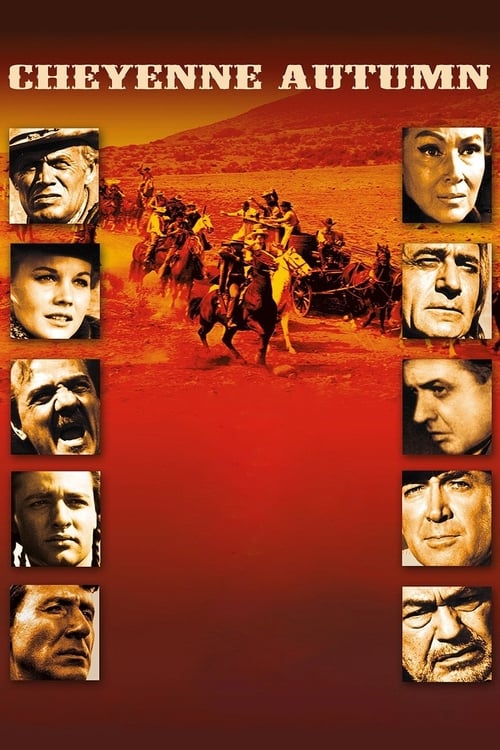
1964
No reviews yet. Be the first to share your thoughts on this movie!
Use the rating form above to leave a star rating and optional review.