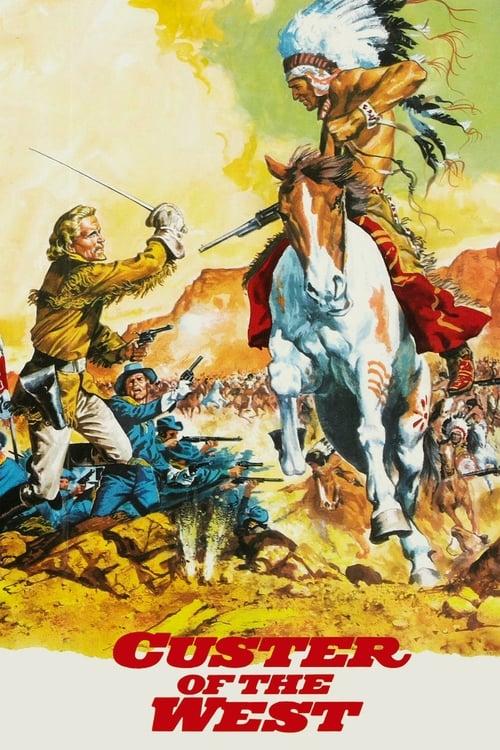
Custer of the West
1967
No user ratings available yet
Representation score: 0.8 out of 10
Representation Score
Minimal
1941
NRDirector
Raoul Walsh
Runtime
140 minutes
Average Rating
No ratings yetNew Showbiz Analysis
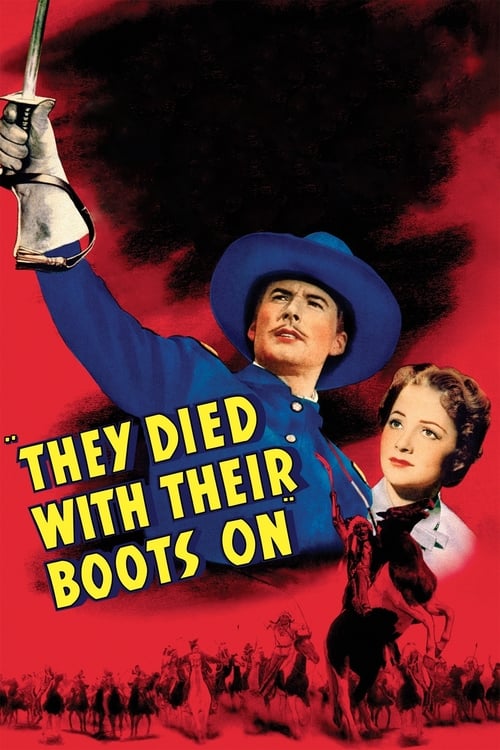
This biographical Western functions as a period-specific artifact that upholds traditional hierarchies. The narrative structure romanticizes military authority and promotes conventional domestic roles. It follows a streamlined, heroic arc designed to validate the military hierarchy. The film lacks complexity, choosing instead to uphold the socio-political values of 1941 Hollywood. By framing Native American tribes as adversaries in an expansionist mythos, the film avoids nuanced characterization in favor of a colonialist perspective. Ultimately, the work reinforces established cultural myths rather than challenging them, presenting a world defined by patriarchal structures and nationalistic ideals.
Category Breakdown
The film adheres to a strict assumption that everyone is straight and cisgender. There are no depictions of LGBTQ+ identities or same-sex relationships.
Libbie Custer is shown as a devoted wife whose identity revolves around supporting her husband's military career. Masculinity is defined through military leadership and combat skills.
The Sioux/Lakota nations are depicted as military opponents through a colonialist viewpoint. The narrative focuses on an Anglo-American perspective of the frontier, overlooking nuanced indigenous stories.
The story celebrates Western institutions and the U.S. Cavalry. It romanticizes national expansion and military glory without critiquing the expansionist state.
There are no prominent depictions of physical or neurodivergent disabilities that affect the narrative.
Present on Screen
Limited or Absent
Official Synopsis
The story follows General George Armstrong Custer's adventures from his West Point days to his death. He defies orders during the Civil War, trains the 7th Cavalry, appeases Chief Crazy Horse and later engages in bloody battle with the Sioux nation.
1967

1970

1936

1958

1965

1930

1999

1959
No reviews yet. Be the first to share your thoughts on this movie!
Use the rating form above to leave a star rating and optional review.