3 Godfathers
1948
No user ratings available yet
Representation score: 1.4 out of 10
Representation Score
Minimal
1953
NRDirector
John Farrow
Runtime
84 minutes
Average Rating
No ratings yetNew Showbiz Analysis
Hondo is a quintessential mid-century Western that offers a more nuanced portrayal of Indigenous presence compared to many of its contemporaries. By making the Apache a central, honorable force, the film moves beyond simple background clichés. However, the narrative remains firmly rooted in traditional structures. It emphasizes masculine influence and straight-centered social roles, framing the conflict through the lens of survival and honor rather than systemic critique. Ultimately, the film serves as a study of cultural friction within existing social orders, reinforcing the period's standard cinematic architecture.
Category Breakdown
The film does not include any visible LGBTQ+ characters or non-cisgender identities. The social structure remains strictly focused on heterosexual relationships, following mid-century cinematic standards.
Female characters primarily serve as catalysts for male conflict and figures needing protection. While they show resilience, their influence is often limited by the actions of male protagonists.
Apache characters are central and powerful figures rather than mere background elements. The casting of Indigenous actors adds a level of authenticity that surpasses many contemporary Westerns.
The story examines different moral codes and the clash between military institutions and tribal sovereignty. However, it largely upholds the stability of Western frontier structures.
There are no prominent depictions of visible or invisible disabilities that drive the narrative or serve as central character arcs.
Present on Screen
Limited or Absent
Official Synopsis
Army despatch rider Hondo Lane discovers a woman and her son living in the midst of warring Apaches, and he becomes their protector.
1948
1961
1960
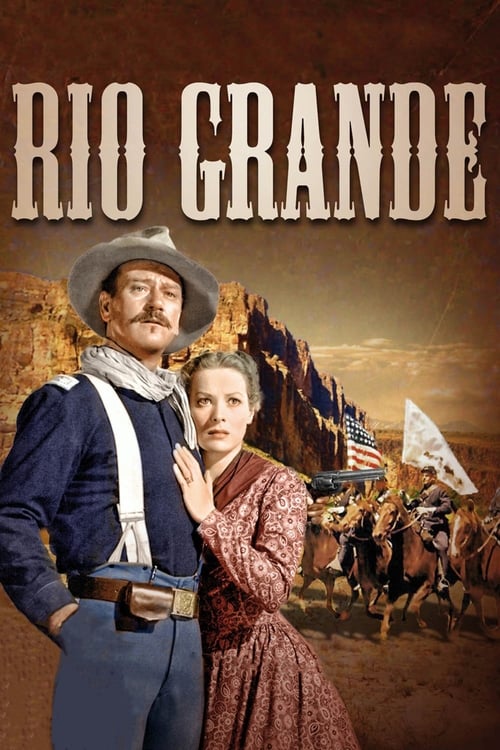
1950
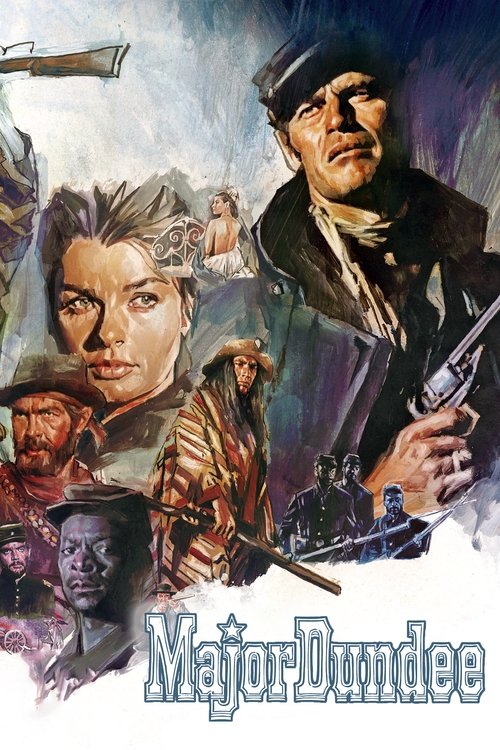
1965
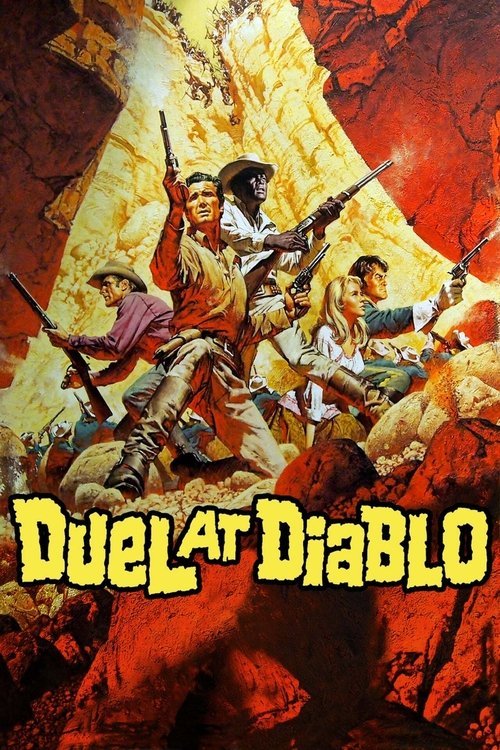
1966
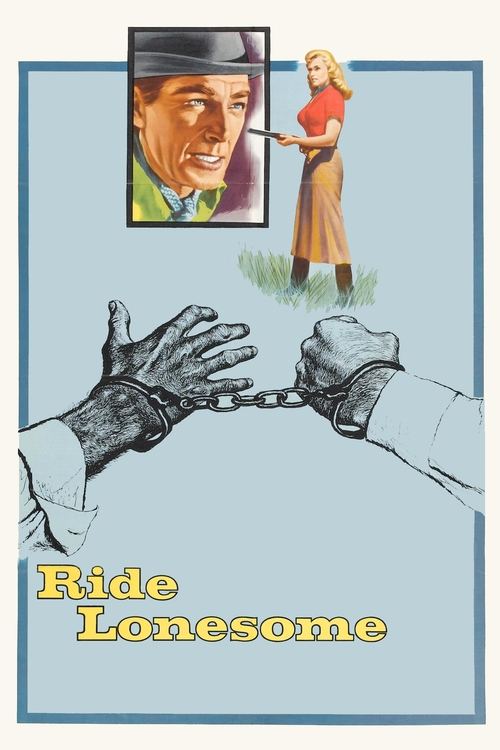
1959

1950
No reviews yet. Be the first to share your thoughts on this movie!
Use the rating form above to leave a star rating and optional review.