Find another title
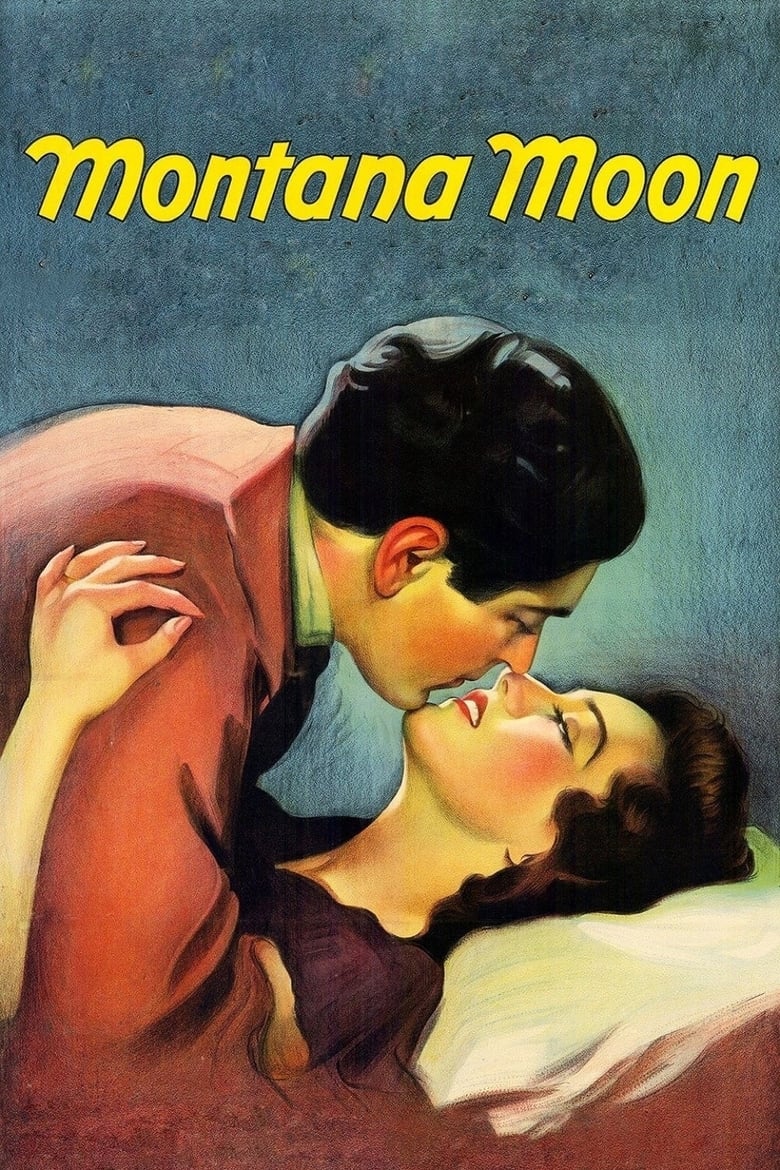
Montana Moon
1930
PassedDirector
Malcolm St. Clair
Runtime
89 minutes
Average Rating
No ratings yetSynopsis
A wild-partying flapper marries a cowboy and tries to adjust to life on a western ranch.
Where to Watch
Diversity & Representation
Overall Score
Limited
Category Breakdown
LGBTQ+ Representation
The film operates within strict heteronormative frameworks typical of the early 1930s. There is no depiction of same-sex intimacy or non-cisnormative identities.
Gender Representation
The protagonist subverts era-specific expectations through her spirited flapper persona. Her agency as she transitions from urban socialite to ranch life provides a moderate level of autonomy.
Racial & Ethnic Diversity
The cast is predominantly homogeneous, reflecting the era's production standards. There is no evidence of significant racial blending or non-white agency in the narrative.
Religious & Cultural Diversity
The story focuses on traditional Western social structures and courtship. It lacks any significant critique of established institutions like family or capitalism.
Disability Representation
No visible or invisible disabilities are portrayed within the primary character arcs. Disability is not utilized as a narrative device in this production.
Strengths
- The flapper protagonist disrupts traditional gender expectations by being spirited and independent.
- The female lead demonstrates character autonomy while navigating her transition to ranch life.
Areas for Improvement
- The film lacks racial and ethnic diversity, featuring a predominantly homogeneous cast.
- There is no representation of LGBTQ+ identities or non-cisnormative gender expressions.
- The narrative adheres to conventional social structures without offering cultural critique.
AI Analysis
Montana Moon is a product of its historical context, offering a mix of progressive characterization and conventional social limitations. The film's primary strength lies in its subversion of gendered archetypes through its central female lead. However, the narrative remains deeply rooted in the era's lack of multiculturalism and intersectional complexity. While the protagonist challenges the 'demure frontier woman' trope, the broader social framework remains strictly traditional and homogeneous. Ultimately, the film provides a moderate disruption of gender hierarchies but fails to engage with any meaningful racial, cultural, or LGBTQ+ diversity.
Rate this Movie
Reviews
No reviews yet. Be the first to share your thoughts on this movie!
Use the rating form above to leave a star rating and optional review.