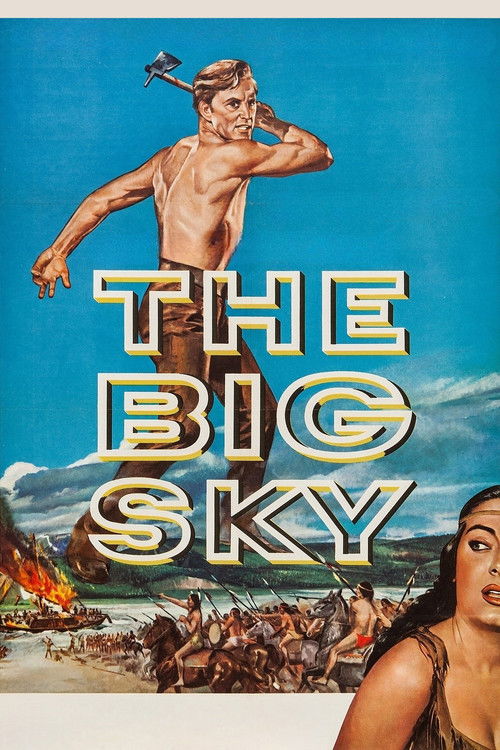
The Big Sky
1952
No user ratings available yet
Representation score: 1.2 out of 10
Representation Score
Minimal
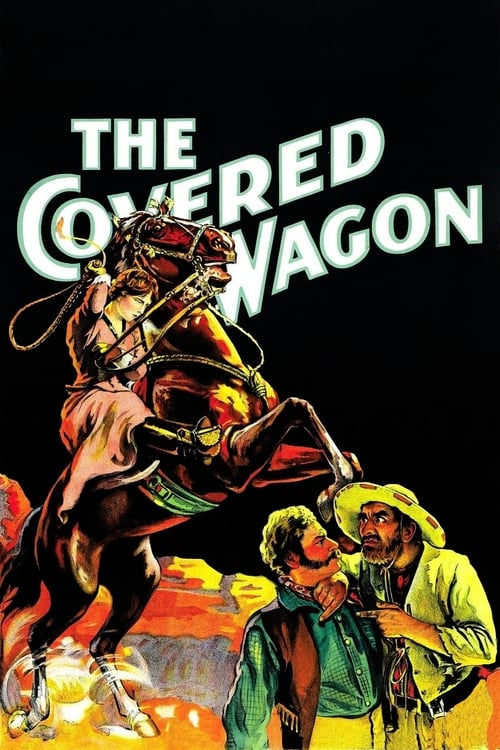
1923
NRDirector
James Cruze
Runtime
98 minutes
Average Rating
No ratings yetNew Showbiz Analysis
The Covered Wagon serves as a foundational text for the American frontier mythos, emphasizing grand-scale spectacle and traditional heroism. It reinforces the socio-political narratives of expansionism prevalent in early Hollywood. The film depends on rigid social hierarchies and archetypal characters. It validates the era's ideals of patriotism and communal cohesion rather than exploring the complexities of diverse identities. Ultimately, the work upholds established racial binaries and patriarchal structures. It portrays the displacement of indigenous populations as a natural outcome of westward movement, without any critical examination of these power dynamics.
Category Breakdown
The film adheres to a traditional structure focused on heterosexual relationships. There are no characters who identify as LGBTQ+, nor are there any hints of queer relationships or non-binary gender identities.
Male characters such as the captain and a brute force figure hold positions of leadership and physical strength. Female characters like Molly are confined to domestic and emotional roles, with their influence limited to romantic decisions.
The storyline emphasizes the Anglo-Saxon pioneer experience and the concept of Manifest Destiny. Native Americans are portrayed solely as obstacles or antagonists, lacking any substantial development of their own choices or individuality.
The narrative upholds Western expansionism and the sanctity of the family unit. It reinforces the perceived righteousness of the settlers' journey without presenting any moral or secular critique of these actions.
There is no depiction of physical, mental, or neurodivergent disabilities. Characters are portrayed as embodying the idealized physical strength needed for survival in the frontier environment.
Present on Screen
Limited or Absent
Official Synopsis
Two wagon caravans converge at what is now Kansas City, and combine for the westward push to Oregon. On their quest the pilgrims will experience desert heat, mountain snow, hunger, and Indian attack. To complicate matters further, a love triangle develops, as pretty Molly must chose between Sam, a brute, and Will, the dashing captain of the other caravan. Can Will overcome the skeleton in his closet and win Molly's heart?
1952
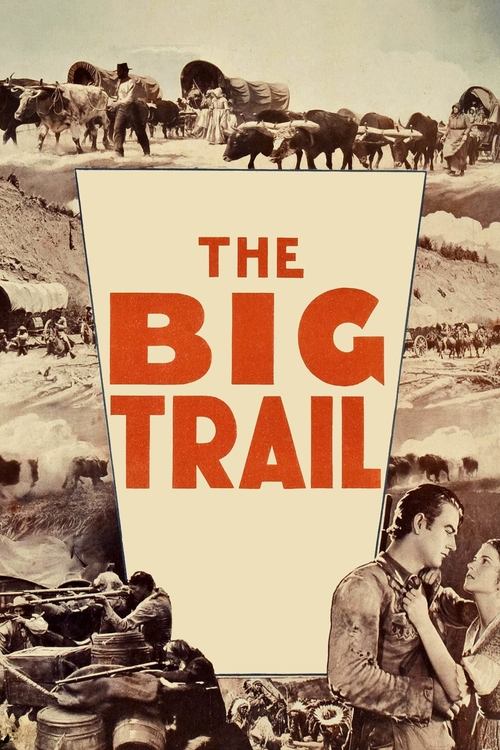
1930
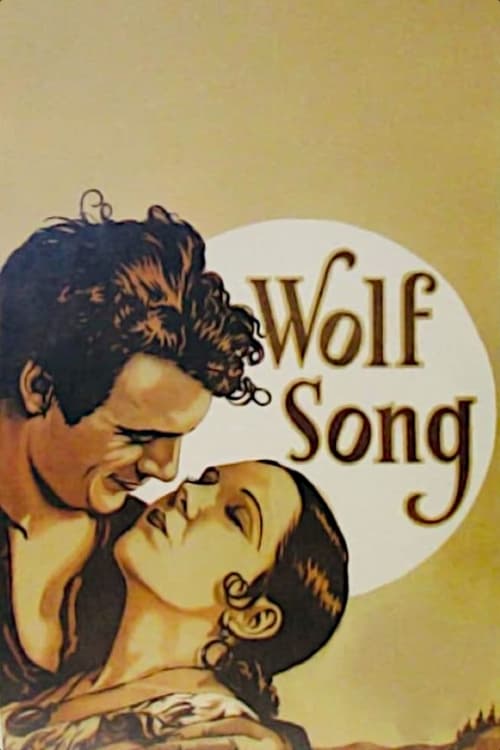
1929
1950
1932
1952
1940
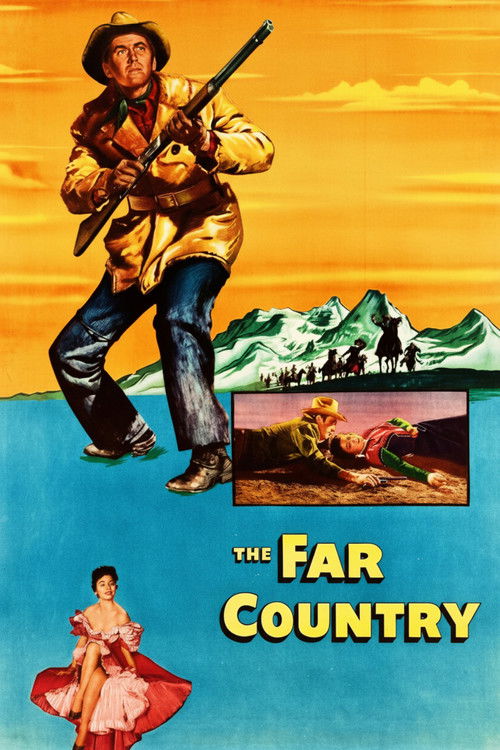
1954
No reviews yet. Be the first to share your thoughts on this movie!
Use the rating form above to leave a star rating and optional review.