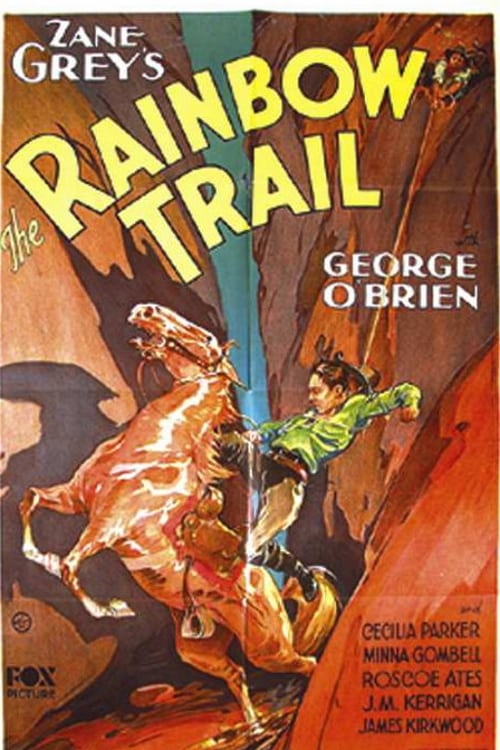
The Rainbow Trail
1932
No user ratings available yet
Representation score: 2.2 out of 10
Representation Score
Minimal
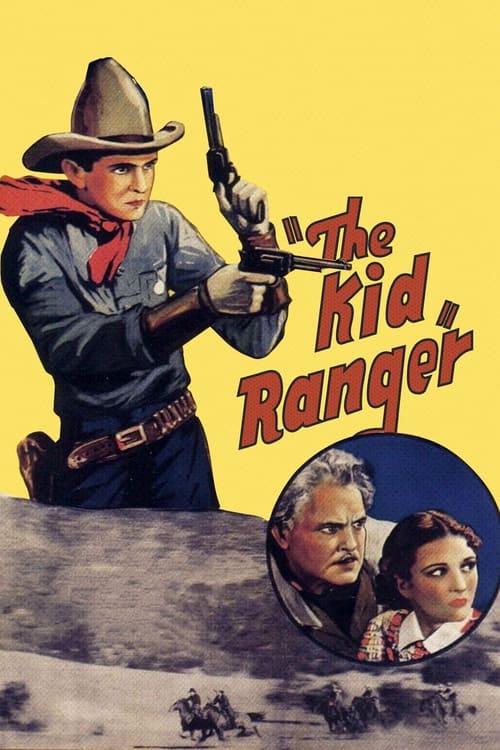
1936
PassedDirector
Robert N. Bradbury
Runtime
57 minutes
Average Rating
No ratings yetNew Showbiz Analysis
The Kid Ranger is a standard 1930s Western that reinforces the social hierarchies and gender roles typical of its era. The narrative structure revolves around male-driven action and the establishment of traditional social orders. While the film offers a clear romantic motivation through the protagonist's pursuit of Mary, it lacks depth in representing diverse identities. The story serves to reinforce conventional expectations rather than challenge them. Ultimately, the film operates within the strict cinematic constraints of the mid-1930s, providing a conventional view of frontier justice and family structures.
Category Breakdown
The film focuses on a traditional romance between Ranger Ray and Mary. There is no visible representation of LGBTQ+ identities.
The story centers on a male protagonist navigating obstacles to secure marriage. While Mary is central to the plot, her role is defined by her relationships to the men.
The narrative likely reflects the era's tendency toward homogeneous white casting. It adheres to standard Western depictions that prioritize Anglo-Saxon protagonists.
The plot promotes traditional Western institutions like the law and the nuclear family. It supports the era's emphasis on frontier order and traditional morality.
There is no mention of characters possessing visible or invisible disabilities in the narrative.
Present on Screen
Limited or Absent
Official Synopsis
Ranger Ray plans to marry stage driver Bill Mason's daughter Mary, but there are problems ahead....
1932
1930
1931
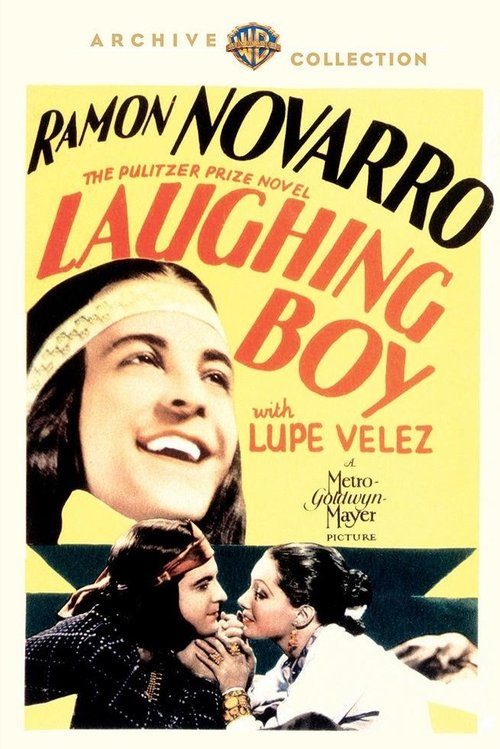
1934
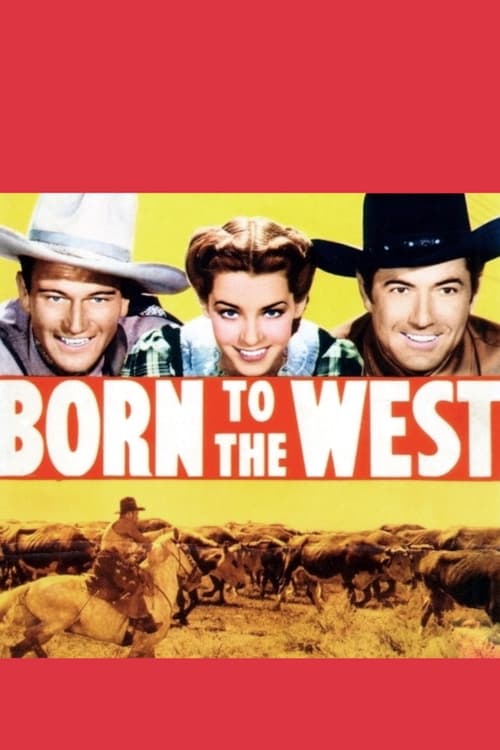
1937
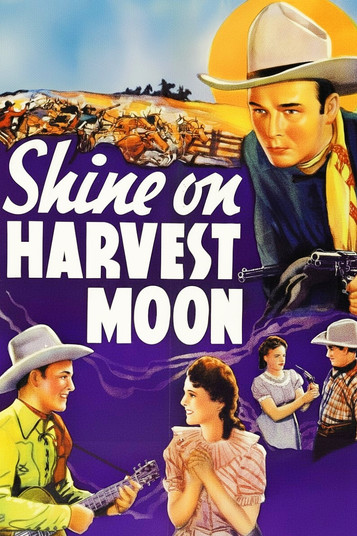
1938
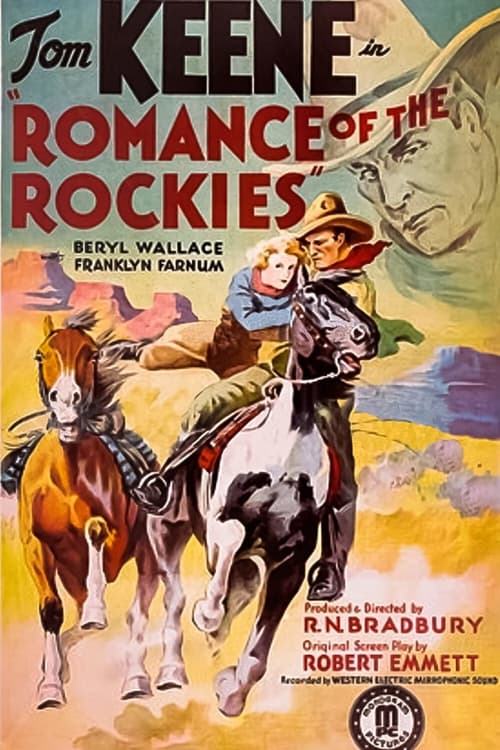
1937
1926
No reviews yet. Be the first to share your thoughts on this movie!
Use the rating form above to leave a star rating and optional review.