
Blood on the Moon
1948
No user ratings available yet
Representation score: 1.1 out of 10
Representation Score
Minimal
1949
PassedDirector
Joseph Kane
Runtime
78 minutes
Average Rating
No ratings yetNew Showbiz Analysis
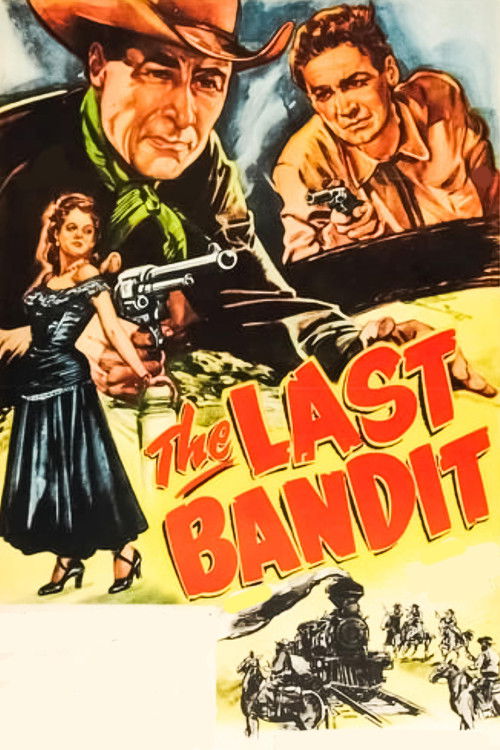
The Last Bandit is a standard mid-century Western that prioritizes traditional genre clichés over social complexity. The narrative structure revolves around masculine conflict and heterosexual romance, centering the plot on the rivalry between two brothers. While the female lead shows some independence by choosing a life of crime, she ultimately functions as a catalyst for male character arcs. The film adheres to the era's studio conventions, focusing on clear moral dichotomies and reinforcing legal order. Ultimately, the film lacks perspectives reflecting multiple aspects of identity and diverse casting. It presents a homogeneous view of the American West, focusing on individual reform and the tension between criminality and the law.
Category Breakdown
The film follows a conventional romantic storyline typical of 1940s Westerns. It centers on a relationship between Kate Foley and male leads, with no representation of non-straight or non-cisgender identities.
Kate Foley exhibits independence by leaving her marriage, but her role remains largely reactive. She serves as a pivot for male development and rivalry rather than driving the plot herself.
The narrative focuses on the interpersonal dynamics of white characters. It reflects the homogeneous casting norms of mid-century Hollywood without evidence of multi-ethnic representation.
The story operates within traditional Western morality and legal structures. It emphasizes individual reform and the pursuit of fortune without challenging established social or institutional norms.
There is no mention of characters with visible or invisible disabilities. The narrative does not utilize neurodivergence or physical impairments as story elements.
Present on Screen
Limited or Absent
Official Synopsis
About to marry Jim Plummer, Kate Foley runs off to Nevada when Ed Bagley convinces her a quick fortune can be made robbing gold shipments that are being transported by the railroad. In Bannock City she meets reformed-bandit Frank Plummer, posing as Frank Norris, brother of Jim Plummer, who has being going straight and working as an express shipment guard. Jim also shows up and plans a robbery by stealing a train and hiding it in an abandoned tunnel. The two brothers are on opposite sides of the law with the now-reformed Kate caught in the middle.
1948

1968

1973
1960
1944
1958

1938
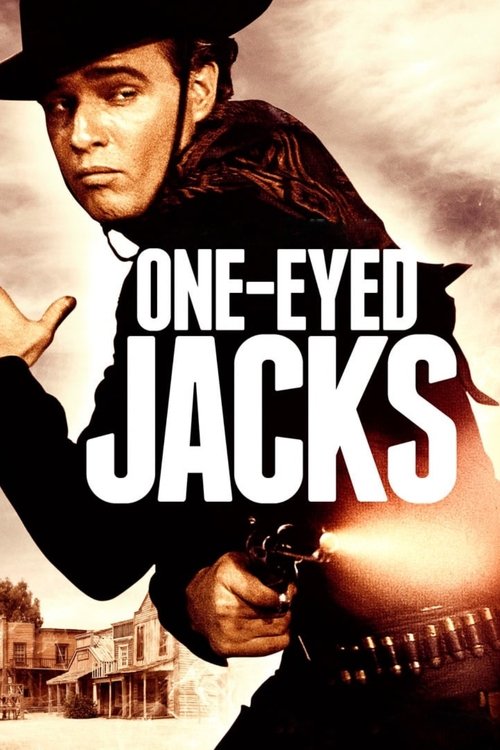
1961
No reviews yet. Be the first to share your thoughts on this movie!
Use the rating form above to leave a star rating and optional review.