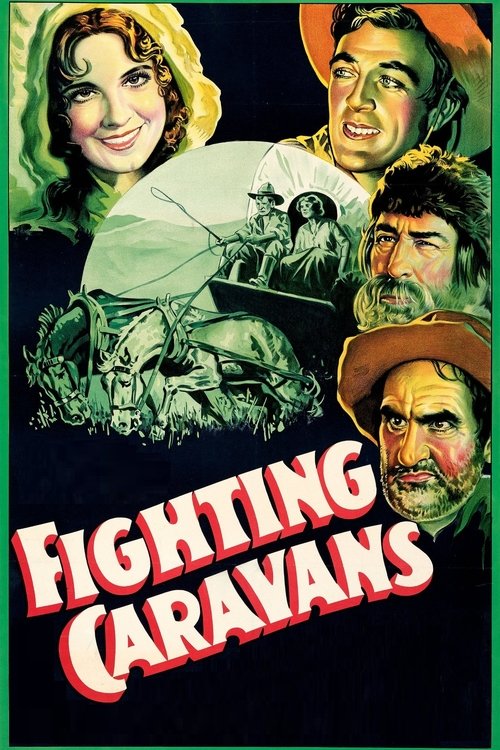
Fighting Caravans
1931
No user ratings available yet
Representation score: 0.5 out of 10

Representation Score
Minimal
1926
PassedDirector
William Wyler
Runtime
20 minutes
Average Rating
No ratings yetNew Showbiz Analysis
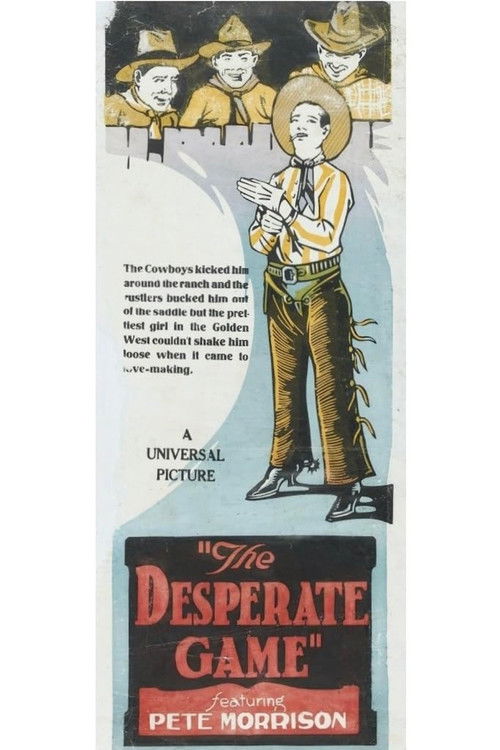
Ridin' for Love is a traditional 1920s Western that adheres closely to the social hierarchies of its time. The plot revolves around legalistic inheritance and traditional romantic expectations, offering little in the way of social critique. While the female lead holds substantial wealth, her power is fundamentally tied to her marital status. This dynamic upholds the conventional gender roles typical of early melodrama. The film lacks depth in representing multiple aspects of identity, functioning as a standard genre piece rather than a progressive critique. It reflects the era's focus on homogeneous protagonists and traditional social norms.
Category Breakdown
The film centers on a traditional romance between a male protagonist and a female heiress. It does not include any representation of non-straight or non-cisgender identities.
Ann Scott holds significant economic power as an heiress, but her influence is tied to her marital status. This portrayal reinforces traditional gender roles where a woman’s financial power is linked to marriage.
Given its 1926 setting, the film likely reflects the genre's typical lack of racial diversity. There is no indication of a diverse cast or non-white characters.
The storyline follows established social and legal norms of the time. It emphasizes individual property rights and traditional structures without challenging Western institutions.
There is no mention of any visible or invisible disabilities among the characters. The narrative does not include any representation of disability.
Present on Screen
Limited or Absent
Official Synopsis
Robert Kane, owner of the Bar-L Ranch, has received word from his attorney that he will have to marry Ann Scott before the 15th of the month, whom he has never met, or else lose the title to the Vista Water Company, which Ann has inherited under the condition that she be married. There is dirty-work afoot, instigated by a lawyer.
1931
1940
1932

1929

1936
1926
1942
1928
No reviews yet. Be the first to share your thoughts on this movie!
Use the rating form above to leave a star rating and optional review.