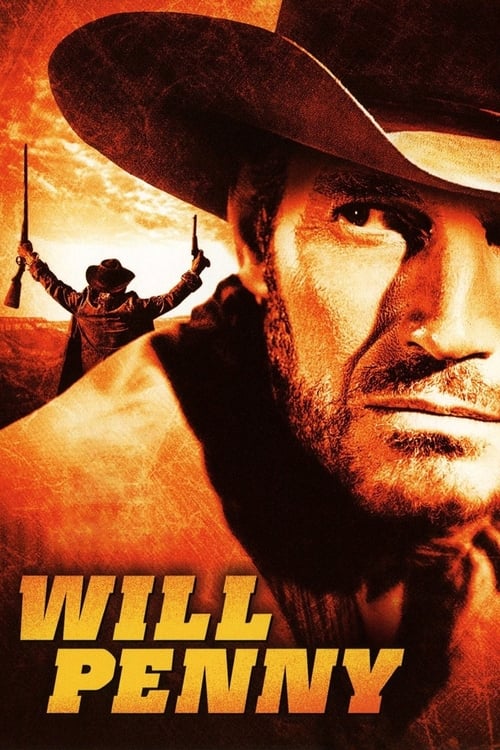
Will Penny
1967
No user ratings available yet
Representation score: 0.6 out of 10
Representation Score
Minimal
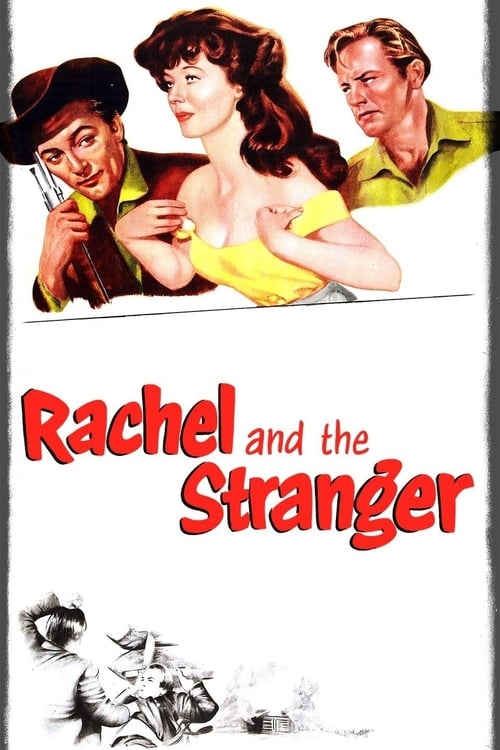
1948
NRDirector
Norman Foster
Runtime
93 minutes
Average Rating
No ratings yetNew Showbiz Analysis
Rachel and the Stranger is a classic mid-century Western that emphasizes traditional romantic relationships and social hierarchies. Despite having a central female lead, the film's narrative is shaped by conventional patriarchal structures. The production follows the typical depiction of the American West prevalent in the 1940s. It does not challenge established norms, instead reinforcing the cultural and gendered status quo of its era. Overall, the film is a conventional genre piece that upholds the cultural and gender norms of its time.
Category Breakdown
The film does not include any LGBTQ+ characters or same-sex relationships. It assumes everyone is straight and cisgender.
Rachel is a central character, but her role is limited by the societal norms of the time. Her relationships with men are defined by traditional patriarchal structures.
The film features a predominantly white cast, typical of the period. There is no representation of diverse ethnic backgrounds.
The story upholds traditional values associated with home and ranch life during the mid-20th century. It does not critique the institutions of the time.
Disability is not a central theme or character trait in the film.
Present on Screen
Limited or Absent
Official Synopsis
A widowed farmer takes an indentured servant as his new wife, but the arrival of a passing stranger threatens their burgeoning relationship.
1967
1928

1948
1940
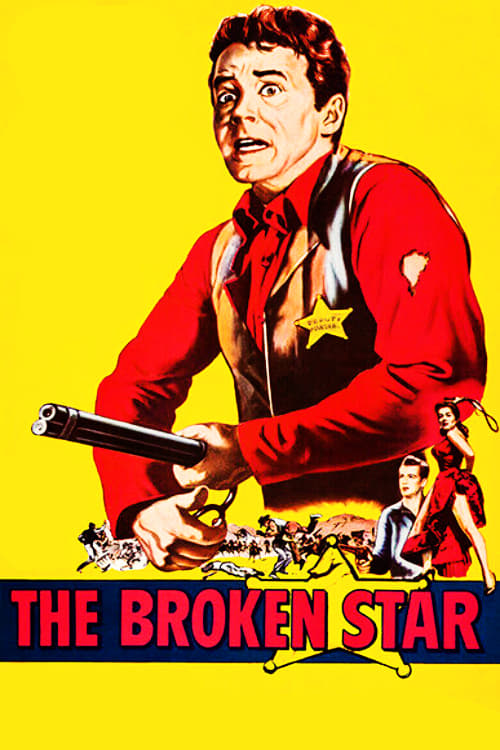
1956
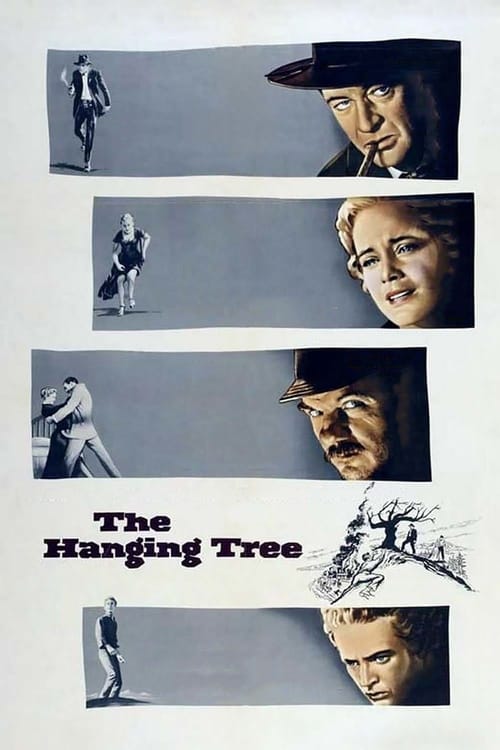
1959
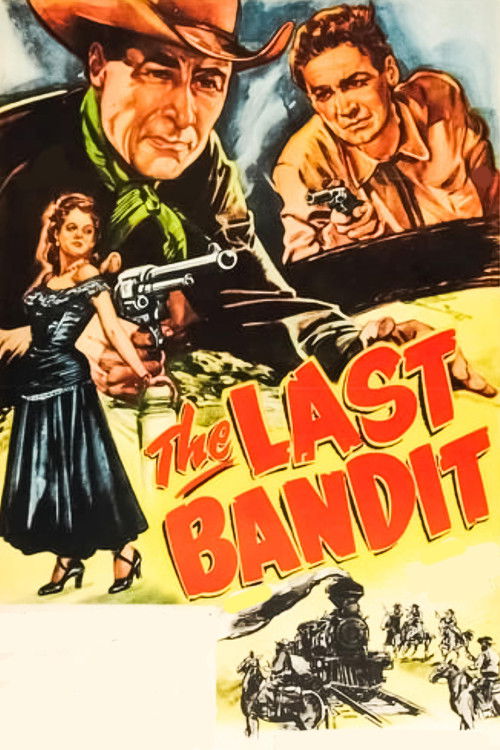
1949
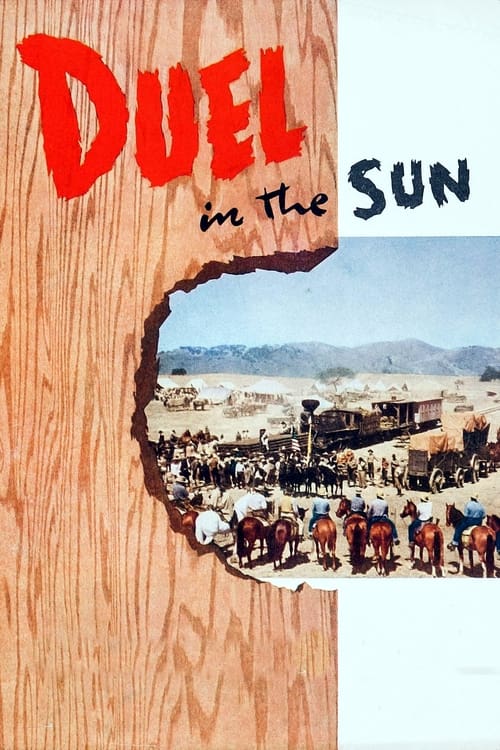
1946
No reviews yet. Be the first to share your thoughts on this movie!
Use the rating form above to leave a star rating and optional review.