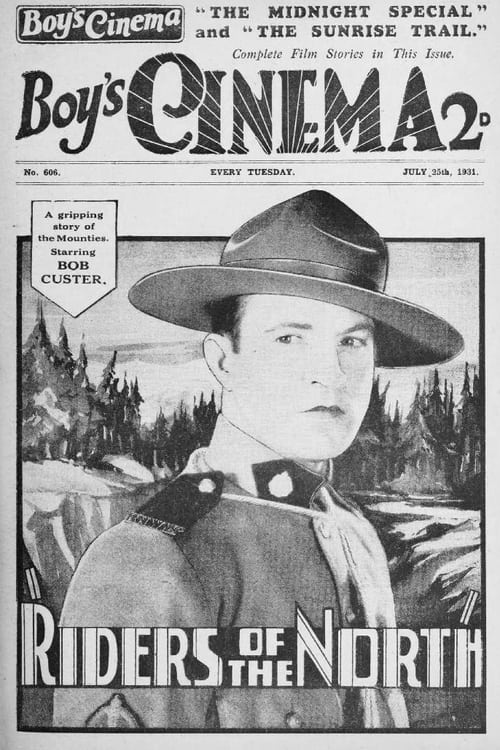
Riders of the North
1931
No user ratings available yet
Representation score: 0.6 out of 10
Representation Score
Minimal
1932
PassedDirector
Robert F. Hill
Runtime
60 minutes
Average Rating
No ratings yetNew Showbiz Analysis
This 1932 Western operates strictly within the genre conventions of its time. The plot centers on a Texas Ranger investigating a rancher's death, using a traditional mystery structure to drive the drama. While the film provides a central role for a woman as the primary suspect, the narrative framing remains anchored in period-specific gender roles. The focus on chivalry suggests a preoccupation with managing women's ability to drive the story rather than challenging it. Overall, the film lacks diverse representation. It adheres to the homogeneous casting and social hierarchies common in early sound-era Westerns, prioritizing traditional frontier myths and institutional values.
Category Breakdown
The film centers around a traditional Western romance and murder mystery. There is no indication of queer subtext or non-cisgender identities.
A female character drives the central conflict as a murder suspect. However, the plot remains tied to traditional notions of chivalry and male-centric control.
The story emphasizes a Texican ranching atmosphere typical of the era. It appears to center on Anglo-Saxon perspectives without evidence of diverse casting.
The narrative reinforces traditional Western values like law and order. It celebrates the frontier mythos and established social structures of the 1930s.
The synopsis provides no information regarding characters with physical or neurodivergent disabilities.
Present on Screen
Limited or Absent
Official Synopsis
Sam Dunning, one of the wealthiest ranchers in the Pecos Valley is found dead with a bullet in his back. Pinned to his body is a note which reads "An eye for an eye, signed Joan Stanton". Danger follows for Larry, a Texas Ranger. Will his sense of chivalry allow him to bring in a woman to face the charge of murder? Along the way, several cowboy tunes and fine locations contribute to the picture's Texican atmosphere.
1931

1954
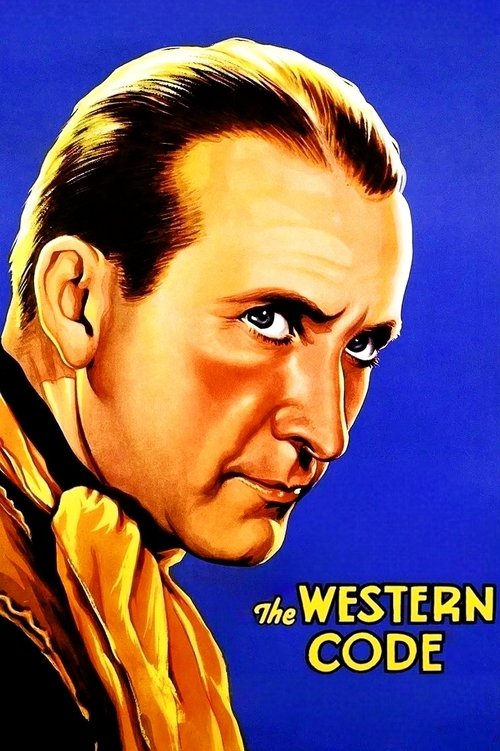
1932
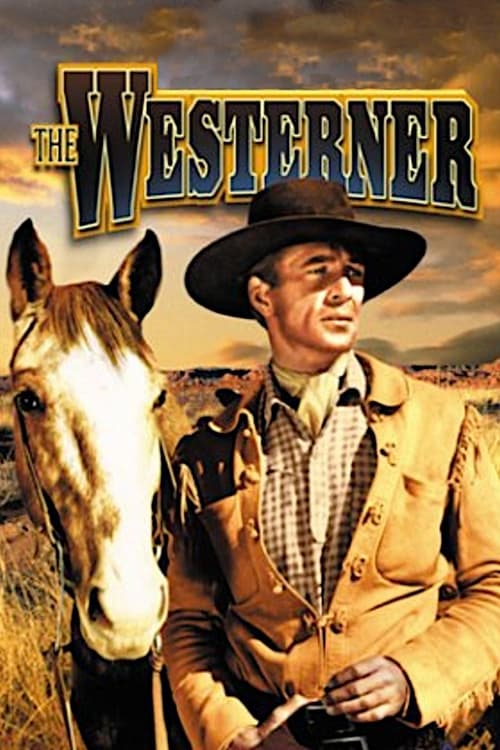
1940

1931
1930
1938
1946
No reviews yet. Be the first to share your thoughts on this movie!
Use the rating form above to leave a star rating and optional review.