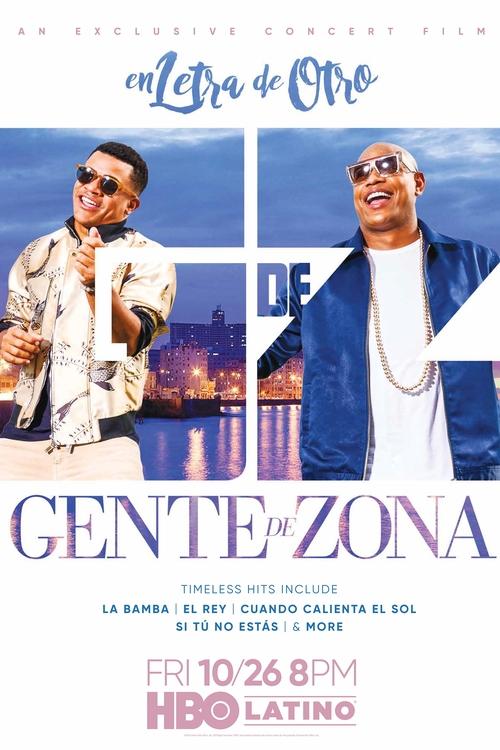
Gente de Zona: En Letra de Otro
2018
No user ratings available yet
Representation score: 8.2 out of 10
Representation Score
Excellent
1967
Director
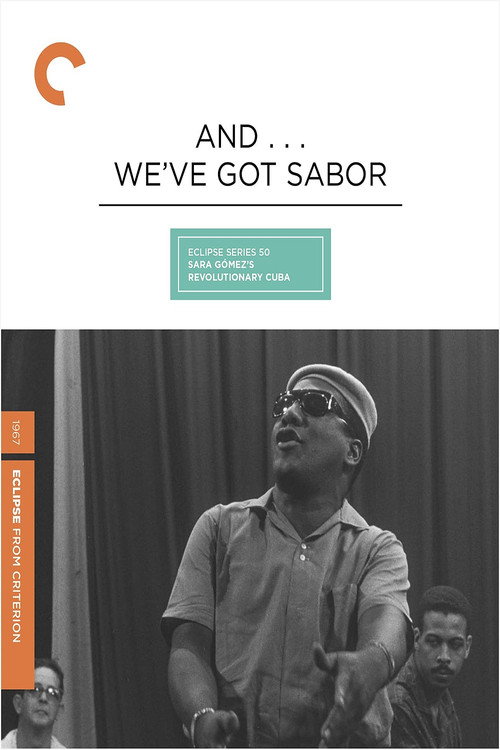
Sara Gómez
Runtime
25 minutes
Average Rating
No ratings yetNew Showbiz Analysis
Sara Gómez’s documentary is a vital act of cultural reclamation that centers Afro-Cuban identity. By elevating communal rumba and street performance, the film challenges Eurocentric definitions of art and places Black cultural ability to act at the heart of the national narrative. The film's strength lies in its ability to frame non-Western, grassroots practices as essential drivers of social cohesion. It successfully deconstructs colonial hierarchies by treating Afro-descendant traditions as the primary pulse of society. While the film excels in racial and cultural representation, it remains neutral regarding LGBTQ+ and disability representation. The focus remains strictly on the ethnographic documentation of musical and communal rhythms.
Category Breakdown
The documentary focuses on musical and communal rhythms rather than sexual orientation. There are no explicit depictions of LGBTQ+ identities or non-conforming gender narratives.
Women are shown as active, integral participants in the social and musical fabric. They play significant roles in communal dance and musical spaces, demonstrating their ability to drive the story.
The film excels by centering Afro-Cuban identity and prioritizing Black musicians and dancers. This approach deconstructs colonial hierarchies and highlights Black cultural ability to act as a foundational societal pulse.
The work celebrates Afro-Cuban spiritual and rhythmic heritage through a post-colonial lens. It validates grassroots cultural expressions of the working class over Western-centric notions of sophistication.
The film maintains a standard observational approach to communal settings. There is no specific focus on visible or invisible disabilities within the footage.
Present on Screen
Limited or Absent
Official Synopsis
Legendary rumba musician Alberto Zayas serves as a guide for this vibrant journey through Cuban musical history and culture. The short features interviews, footage of impromptu street performances, and studio recordings.
2018
2018
2000
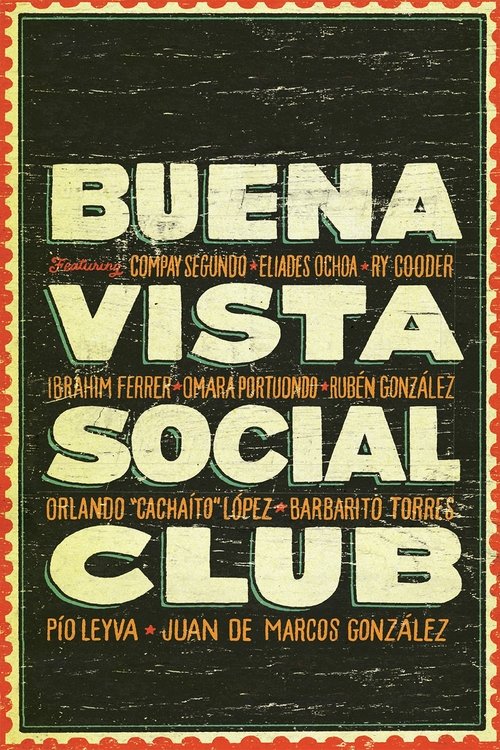
1999
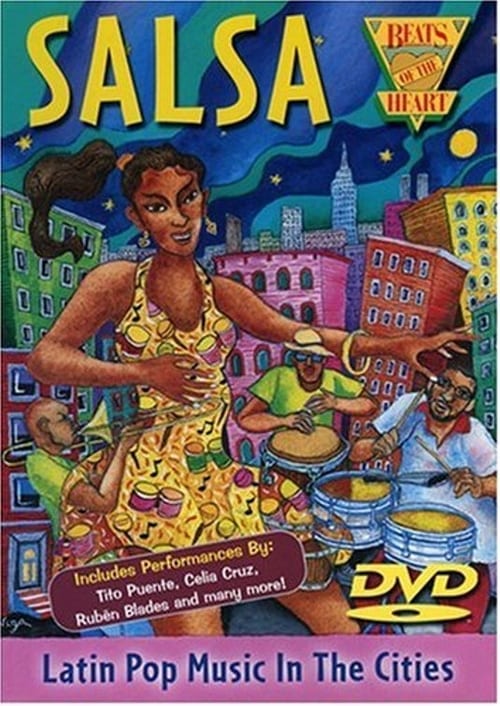
1979
1979
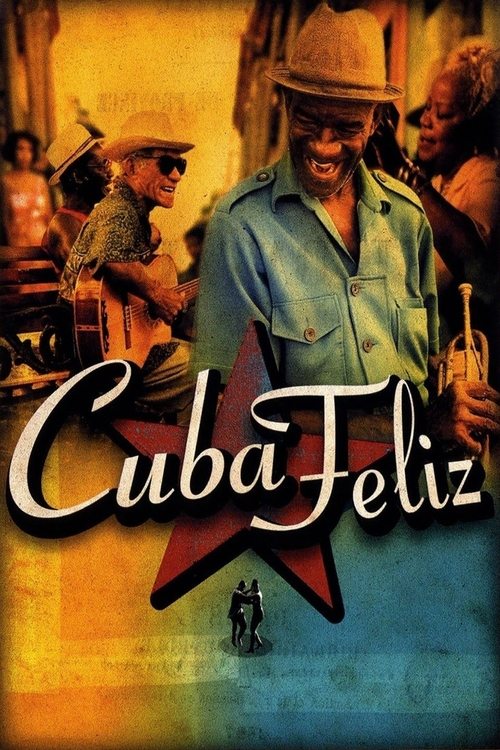
2002
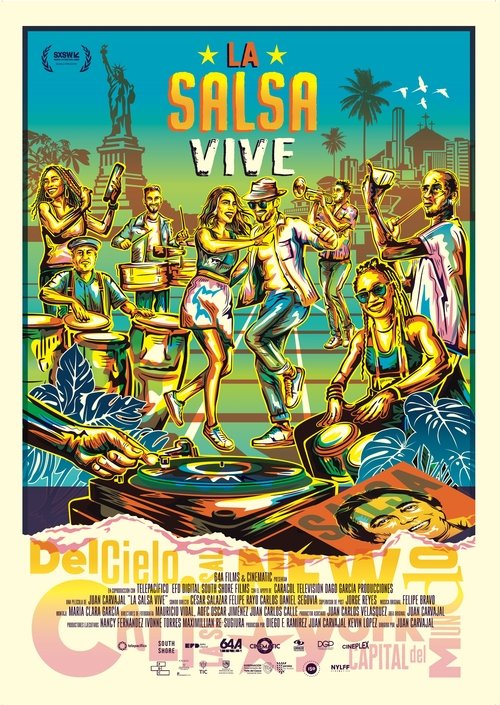
2025
No reviews yet. Be the first to share your thoughts on this movie!
Use the rating form above to leave a star rating and optional review.