Ornette: Made in America
1986
No user ratings available yet
Representation score: 7.3 out of 10
Representation Score
Excellent
1997
TV-GDirector
Robert Altman
Runtime
72 minutes
Average Rating
No ratings yetNew Showbiz Analysis
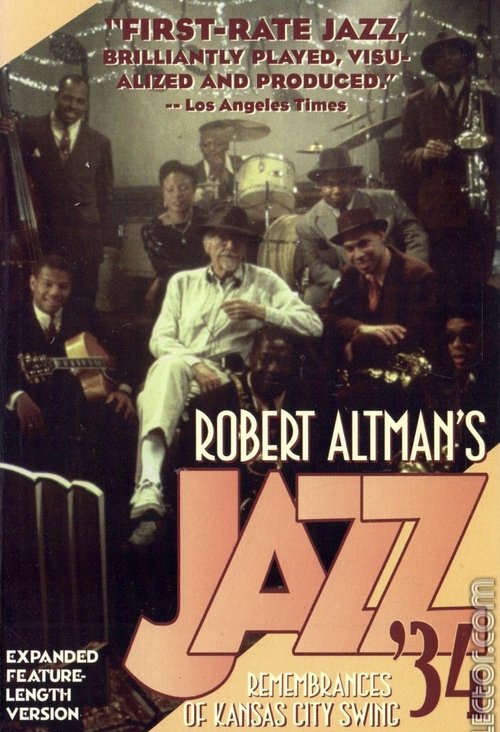
Robert Altman’s direction provides a sophisticated, improvisational framework that disrupts traditional social hierarchies. The film's greatest strength lies in its authentic portrayal of the Kansas City jazz scene, where racial integration feels natural rather than tokenistic. By centering Black musicians and placing women in professional creative roles, the film avoids many common pitfalls of the period drama genre. It successfully uses the historical context of the Great Depression to critique capitalist structures and moral binaries. However, the film lacks specific representation for LGBTQ+ identities and disability. While it avoids rigid stereotypes, it does not actively center these underrepresented groups in its narrative structure.
Category Breakdown
The film focuses on musical recreation rather than explicit LGBTQ+ narratives. While it avoids rigid assumptions about straight relationships, it lacks identity-driven storylines or depictions of same-sex intimacy.
Women are portrayed as professional jazz musicians, challenging the submissive stereotype. The narrative explores the tension between domestic life and the nomadic musician lifestyle, giving women significant control over their professional lives.
The film excels by centering Black musicians as the main drivers of cultural energy. This racially integrated ensemble avoids the whitewashing common in period pieces, presenting integration as a natural part of the music.
The story critiques economic structures by framing the Great Depression as a systemic force. It explores the tension between artistic integrity and capitalist necessity through a lens of situational ethics.
There are no prominent depictions of visible or invisible disabilities. The narrative focus remains strictly on the socioeconomic and professional struggles of the musical ensemble.
Present on Screen
Limited or Absent
Official Synopsis
A recreation of 1934 Kansas City jazz jam session created by Robert Altman.
1986
2018
1988
2021
1980
2024
1997
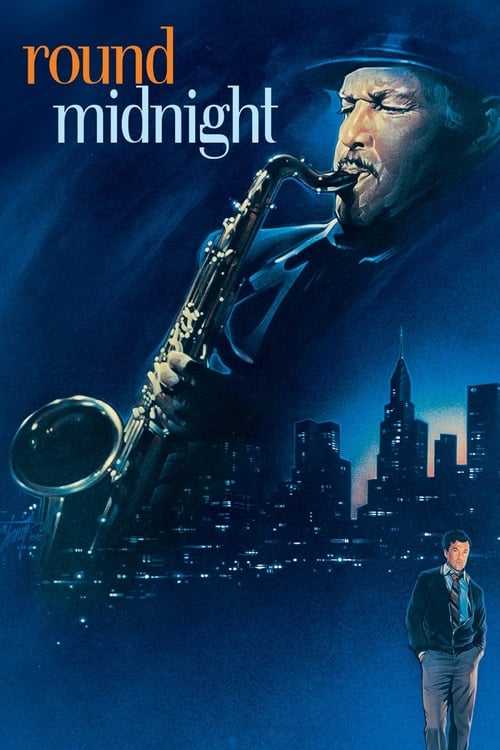
1986
No reviews yet. Be the first to share your thoughts on this movie!
Use the rating form above to leave a star rating and optional review.