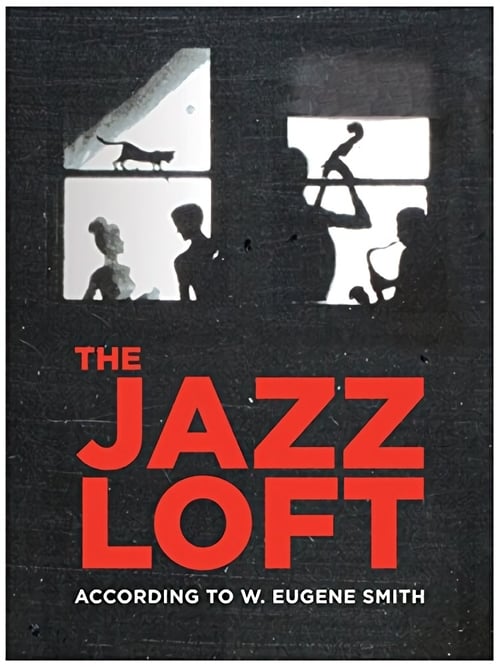
The Jazz Loft According to W. Eugene Smith
2016
No user ratings available yet
Diversity score: 5.5 out of 10
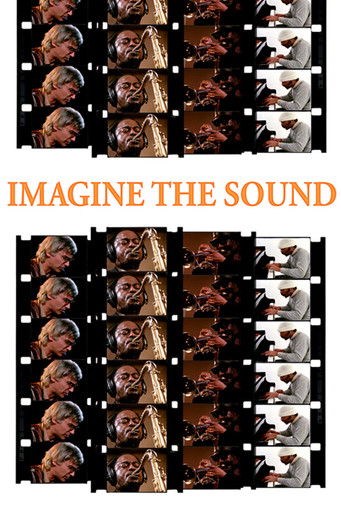
1981
Runtime
91 minutes
Average Rating
No ratings yetSynopsis
An examination, shown through both interviews and performances, of the avant-garde free jazz movement which reigned during the 1960s.
Overall Score
Fair
Category Breakdown
LGBTQ+ Representation
The film lacks explicit queer narratives or character-driven identities. Its non-linear montage disrupts heteronormative storytelling, but it does not intentionally center LGBTQ+ voices.
Gender Representation
The documentary focuses on technical and aesthetic objectives rather than social hierarchies. It does not engage with gender roles or provide evidence of intentional subversion.
Racial & Ethnic Diversity
Racial composition reflects the history of cinema through archival clips. While montage allows diverse historical voices to surface, the film lacks intentional race-bent casting.
Religious & Cultural Diversity
The essay-film format prioritizes academic inquiry over traditional Western narrative structures. It deconstructs cinematic authority through a focus on sound as a transformative force.
Disability Representation
There is no evidence of characters with disabilities being portrayed with agency. The film remains strictly focused on the technical evolution of sound design.
Strengths
Areas for Improvement
AI Analysis
Imagine the Sound functions as a formalist deconstruction of film history rather than a social commentary. By utilizing a montage-based architecture, Ron Mann explores the relationship between audio and visual perception through archival clips. The film's progressive value lies in its narrative structure. The postmodern editing disrupts linear progression, inviting a subjective interpretation of the medium that moves away from traditional cinematic authority. However, the work lacks the intentional, character-driven agency required for high diversity metrics. It prioritizes intellectual rigor and technical evolution over intersectional representation or specific social identities.
2016
1990
2004

2007
2019
2015

2019

1976
2019
1997
1976
2017
No reviews yet. Be the first to share your thoughts on this movie!
Use the rating form above to leave a star rating and optional review.