Imagine the Sound
1981
No user ratings available yet
Diversity score: 5.4 out of 10
2016
Not RatedDirector
Sara Fishko
Runtime
87 minutes
Average Rating
No ratings yetSynopsis
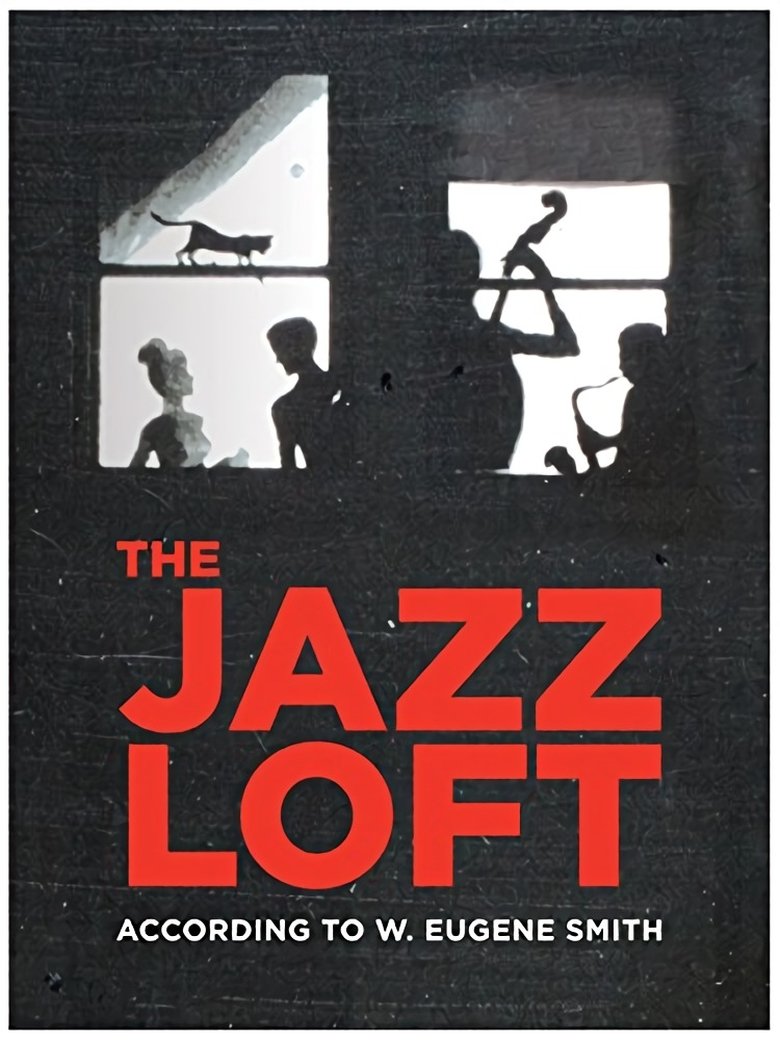
Art, obsession and anxiety permeate a dilapidated Manhattan loft building in Mid-century: The first movie to use photographer W. Eugene Smith's massive, fly-on-the-wall archive of photos and audio tapes documenting the likes of jazz greats Thelonious Monk, Zoot Sims, Jimmy Giuffre, Hall Overton and others at work and play in the Sixth Avenue wreck that was Smith's home and studio from 1957 through the '60s.
Overall Score
Fair
Category Breakdown
LGBTQ+ Representation
The film captures the social milieu of the jazz era, which historically included diverse sexual identities. However, it does not explicitly center non-cisnormative identities as a primary narrative driver.
Gender Representation
The documentary offers a nuanced look at domestic and professional dynamics. It avoids traditional tropes of submissive femininity by presenting the domestic sphere as a site of significant emotional and logistical labor.
Racial & Ethnic Diversity
The film depicts the mid-century jazz scene, highlighting the intersection of Black musical innovation and white journalistic documentation. It acknowledges the agency and profound cultural influence of Black artists.
Religious & Cultural Diversity
The film explores the friction between the individual artist and capitalist structures. It frames Smith’s resistance to sensationalism as a pursuit of humanistic truth over rigid, institutionalized media standards.
Disability Representation
The film provides a raw depiction of the psychological toll of obsession and anxiety. It presents Smith’s mental and emotional struggles as integral, taxing components of his artistic identity.
Strengths
Areas for Improvement
AI Analysis
The documentary serves as a sophisticated archival reconstruction that challenges sanitized versions of mid-century history. By using a fly-on-the-wall methodology, it explores the intersection of art, obsession, and the jazz subculture. While not overtly political, the film provides progressive value by refusing to present a monolithic view of the era. It uses the loft as a microcosm to explore complex social intersections and the struggle against institutionalized commercialism. The narrative's strength lies in its respectful centering of Black musical agency and its nuanced portrayal of the personal costs of creative obsession.
1981
1997
2015
2022

1963
1985
2019
2018
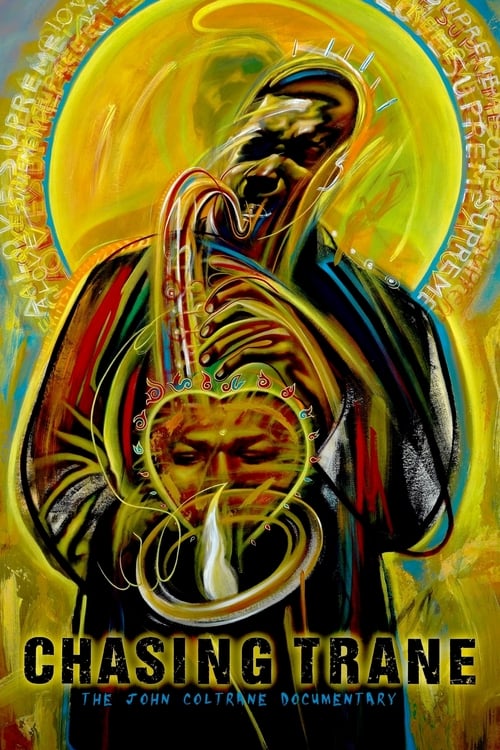
2017
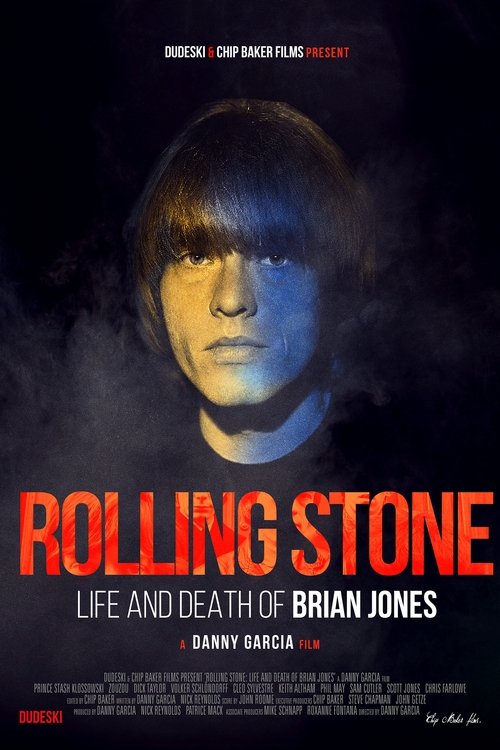
2019

2019
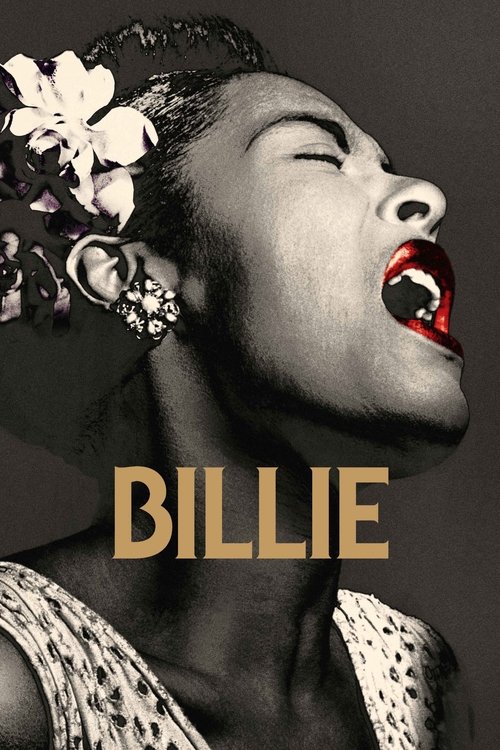
2020
No reviews yet. Be the first to share your thoughts on this movie!
Use the rating form above to leave a star rating and optional review.