Flamenco
1995
No user ratings available yet
Representation score: 3.8 out of 10
Representation Score
Excellent
1983
Director
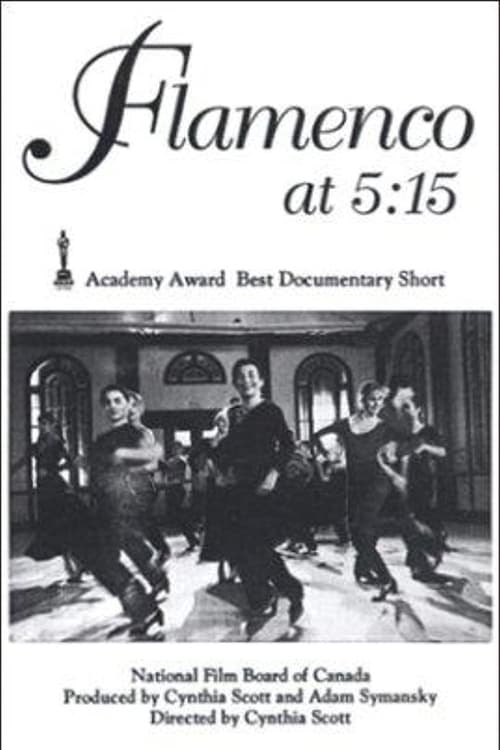
Cynthia Scott
Runtime
29 minutes
Average Rating
No ratings yetNew Showbiz Analysis
Cynthia Scott’s documentary shifts the focus of flamenco from spectacle to a rigorous pursuit of female autonomy. By highlighting the intellectual rigor and strength of the dancers, the film moves away from passive depictions of femininity. While it does not explicitly address LGBTQ+ identities or queer narratives, it offers a sophisticated portrayal of women as self-actualized subjects. The work provides high cultural authenticity through its respect for Spanish heritage and avoids superficiality by presenting the dance through its own disciplined standards and historical continuity.
Category Breakdown
The film focuses on the technical aspects of dance without depicting any queer identities or non-straight relationships.
The film highlights the physical and intellectual prowess of women through intense discipline and technical mastery. It challenges traditional views of femininity by emphasizing strength and skill.
The work provides a deep look into Spanish cultural heritage without falling into stereotypical representations. The cast is ethnically uniform but presents the culture through its own internal logic.
The film emphasizes tradition and the mastery of a specific craft. It avoids promoting a single religious morality, focusing instead on a secular, ritualistic devotion to the art form.
There are no specific depictions of visible or invisible disabilities. The film focuses on the physical requirements for flamenco performance.
Present on Screen
Limited or Absent
Official Synopsis
Students in their final year at the National Ballet School of Canada are seen learning the flamenco from Susana and Antonio Robledo, who come to the school every winter to conduct classes which are held after the day's regular schedule has ended.
1995
2023
1967
1957
2014
1967

2024

2001
No reviews yet. Be the first to share your thoughts on this movie!
Use the rating form above to leave a star rating and optional review.