BloodRayne
2006
No user ratings available yet
Representation score: 5.1 out of 10
Representation Score
Limited
2014
PG-13Director
Gary Shore
Runtime
92 minutes
Average Rating
No ratings yetNew Showbiz Analysis
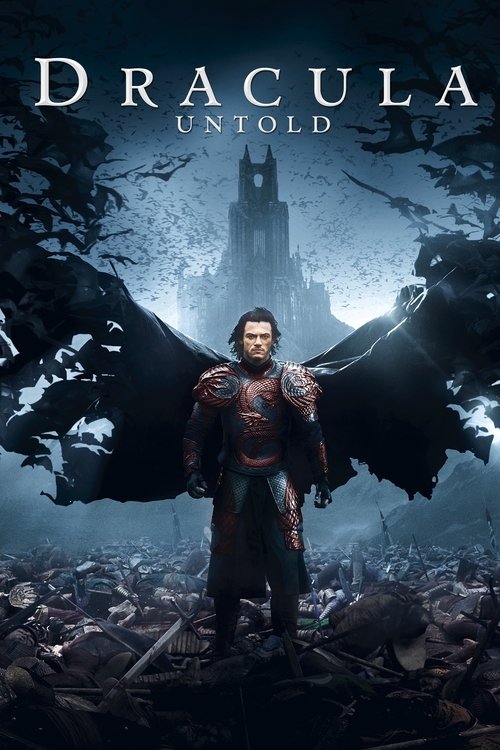
Dracula Untold operates as a traditional genre piece that emphasizes epic scale and historical clichés over social subversion. The narrative hinges on established archetypes, focusing on a hero's descent into monstrosity to safeguard his family and kingdom. Representation is conservative, sticking to period-accurate gender roles and straight-focused romantic structures. While the film depicts ethnic tension through imperial conflict, it does not leverage these dynamics to challenge modern multi-layered identities. Ultimately, the film's emphasis on classical heroism and standard family structures limits opportunities for diverse character development.
Category Breakdown
The film does not include any LGBTQ+ characters or explore non-straight relationships. The romantic relationship is focused solely on Vlad and Mirena.
Gender roles adhere to 15th-century norms, with Mirena serving mainly as an emotional catalyst. Her influence is largely tied to her roles as wife and mother.
Ethnic diversity is shown through the geopolitical conflict between Wallachia and the Ottoman Empire. The casting follows typical historical and fantasy archetypes.
The story centers on sovereignty and protecting a homeland. It upholds a traditional moral framework focused on leadership and territorial survival.
There is no representation of visible or invisible disabilities. The protagonist's transformation is portrayed as supernatural empowerment rather than a nuanced exploration of impairment.
Present on Screen
Limited or Absent
Official Synopsis
Vlad Tepes is a great hero, but when he learns the Sultan is preparing for battle and needs to form an army of 1,000 boys, he vows to find a way to protect his family. Vlad turns to dark forces in order to get the power to destroy his enemies and agrees to go from hero to monster as he's turned into the mythological vampire, Dracula.
2006
2007
2012
2005
2004
1935

2013
2006
No reviews yet. Be the first to share your thoughts on this movie!
Use the rating form above to leave a star rating and optional review.