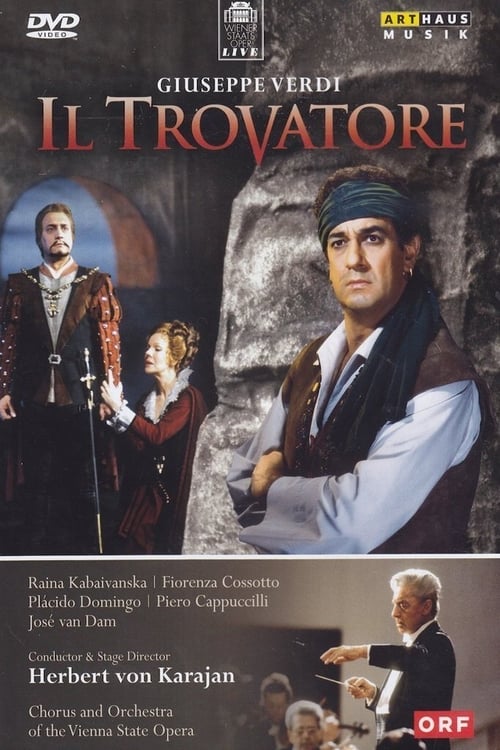
Il Trovatore - Verdi
1978
No user ratings available yet
Representation score: 3.0 out of 10
Representation Score
Limited
1982
Director
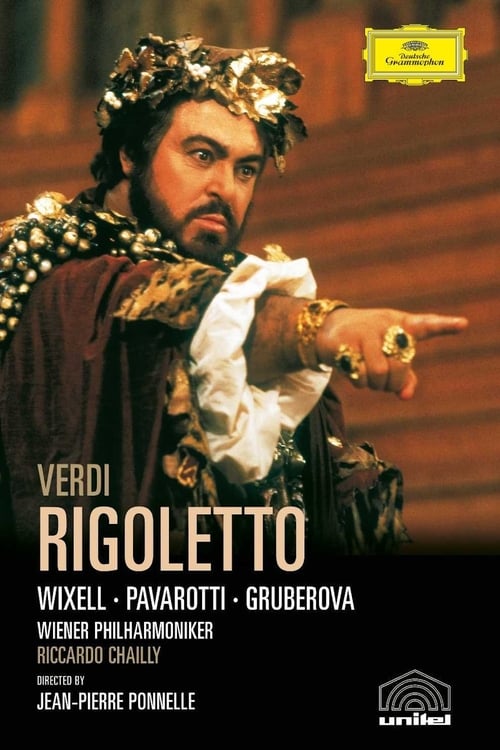
Jean-Pierre Ponnelle
Runtime
128 minutes
Average Rating
No ratings yetNew Showbiz Analysis
Ponnelle’s production is a traditionalist interpretation of Verdi’s opera, deeply rooted in its historical and Eurocentric origins. While it lacks modern diversity in casting and queer representation, it provides a nuanced character study of Rigoletto. The film uses its period setting to critique systemic corruption and the predatory nature of the ruling class, offering a sharp look at power dynamics. Ultimately, the production's strength lies in its psychological complexity rather than its demographic breadth, making it a period-specific drama that prioritizes thematic critique over inclusive casting.
Category Breakdown
There are no depictions of LGBTQ+ identities or queer narratives. The production follows a framework that assumes everyone is straight and cisgender.
The story focuses on masculine dominance and predatory behavior. Female characters often serve as subjects of male control rather than having their own independent roles.
Casting is primarily homogeneous, reflecting the historical Renaissance setting. There are no efforts to include actors from diverse backgrounds.
The film critiques decadent Western power structures, portraying the aristocracy as corrupt rather than a symbol of civilization.
Rigoletto’s hunchback is central to his social exclusion. The production avoids clichés by highlighting his psychological depth and complexity.
Present on Screen
Limited or Absent
Official Synopsis
Rigoletto is a jester in the court of the Duke of Mantua. He has a hunch-back and he's rather unattractive, but he's good at his job of humiliating the courtiers for the amusement of the Duke. The courtiers, of course, are not amused. The Duke is a ladies man who feels his life would be meaningless if he couldn't chase every skirt he sees. In fact, we learn as the opera begins that he's recently been noticing a young lady every Sunday on her way to church, and he's vowed to have his way with her. What nobody realizes is that the girl is the jester's beloved daughter, Gilda, and that Gilda has seen the Duke every Sunday and is smitten with him. Suddenly Count Monterone appears at court, furious that the Duke has seduced his daughter. Rigoletto ridicules Monterone, the Duke laughs, and Monterone casts an awful curse on both of them. Later, the courtiers discover that Rigoletto is secretly living with Gilda...
1978
1943
1979
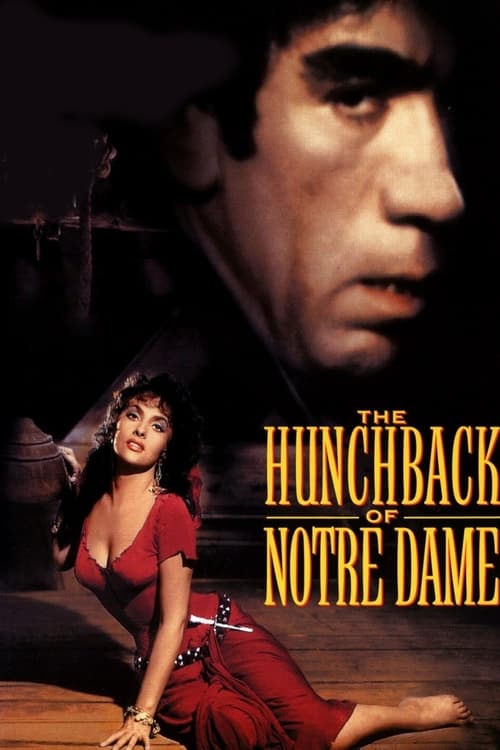
1956
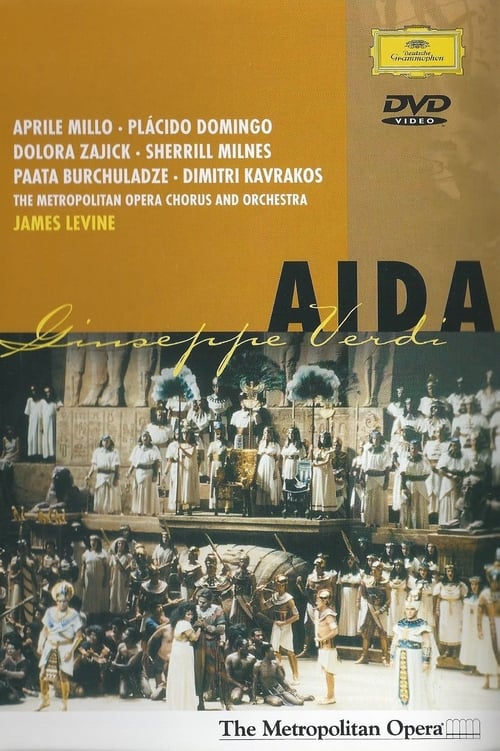
1989
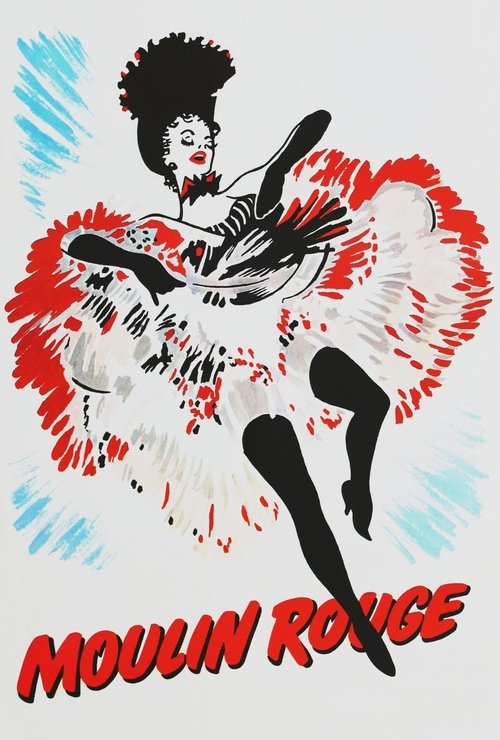
1952
1985
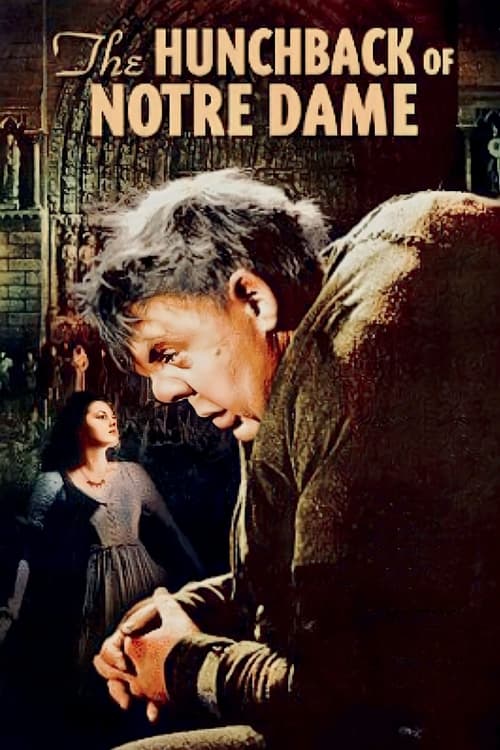
1939
No reviews yet. Be the first to share your thoughts on this movie!
Use the rating form above to leave a star rating and optional review.