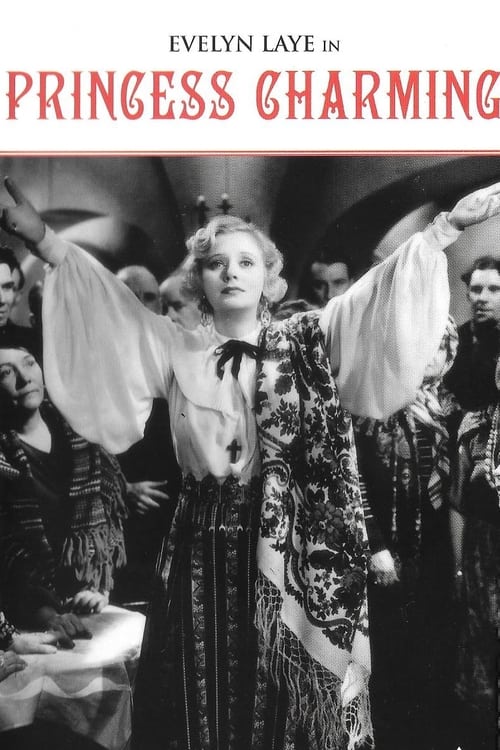
Princess Charming
1934
No user ratings available yet
Diversity score: 2.8 out of 10
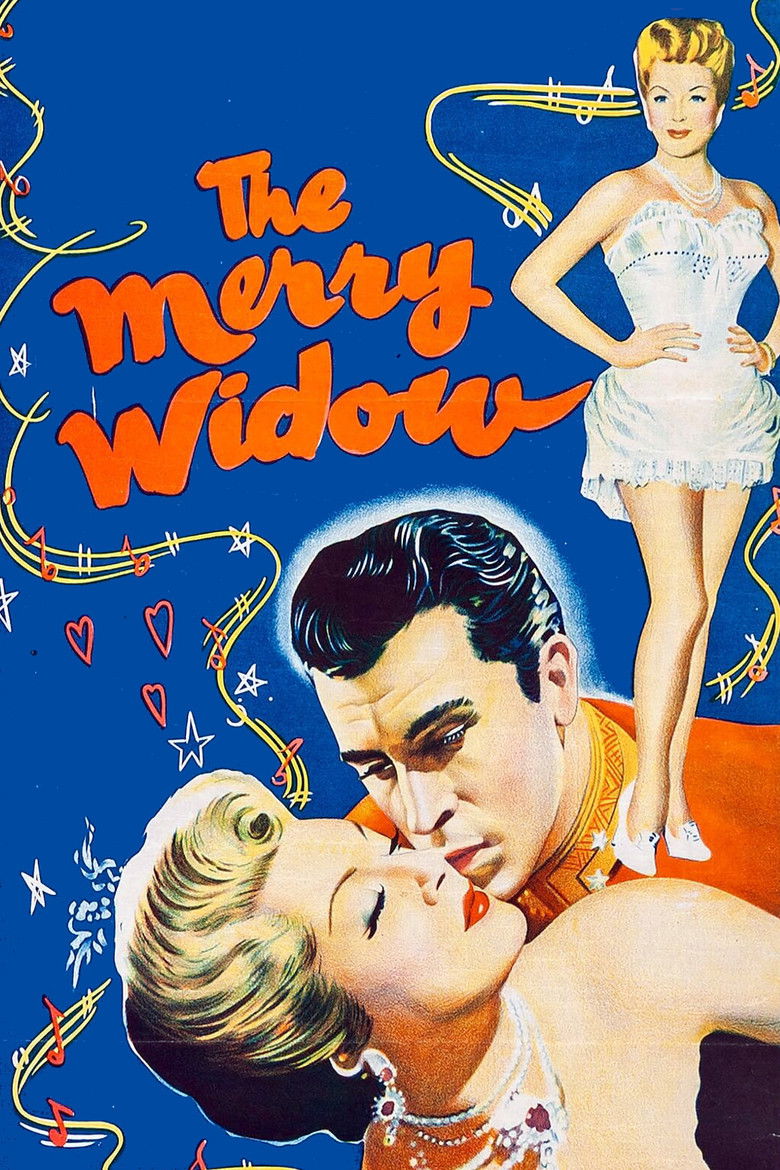
1952
NRDirector
Curtis Bernhardt
Runtime
105 minutes
Average Rating
No ratings yetSynopsis
Marshovia, a small European kingdom, is on the brink of bankruptcy but the country may be saved if the wealthy American Crystal Radek, widow of a Marshovian, can be convinced to part with her money and marry the king's nephew count Danilo. Arriving to Marshovia on a visit, Crystal Radek change places with her secretary Kitty. Following them to Paris, Danilo has a hard time wooing the widow after meeting an attractive young woman at a nightclub, the same Crystal Radek who presents herself as Fifi the chorus girl. Plot by Mattias Thuresson.
Overall Score
Limited
Category Breakdown
LGBTQ+ Representation
The film operates within a strictly heteronormative framework. The narrative is driven entirely by the romantic pursuit between Danilo and Crystal Radek, with no evidence of queer subtext.
Gender Representation
Crystal Radek subverts mid-century hierarchies through her economic and social agency. She uses her financial independence and intellectual cunning to navigate a male-dominated political landscape.
Racial & Ethnic Diversity
The cast is homogeneous, reflecting the era's production and the European operetta setting. The film reinforces white, high-society European lineages as the default social norm.
Religious & Cultural Diversity
The narrative treats the monarchy's bankruptcy as a lighthearted plot device rather than a critique of institutions. It prioritizes traditional romanticism and the preservation of social order.
Disability Representation
There are no visible or invisible disabilities portrayed. Characters are presented within the standard parameters of able-bodied aristocratic archetypes.
Strengths
Areas for Improvement
AI Analysis
The Merry Widow is a period-typical musical drama that adheres to the social hierarchies of its mid-century production. It functions primarily as a traditionalist operetta focused on aristocratic duty and romantic agency. While the film lacks diversity in terms of race, disability, and LGBTQ+ identities, it offers a notable subversion of gender roles. The female lead possesses significant agency, using her wealth to manipulate political structures. Ultimately, the film remains anchored in the conventional demographic and social structures of its time, prioritizing romanticism and the maintenance of the existing class order.
1934
1950
1931
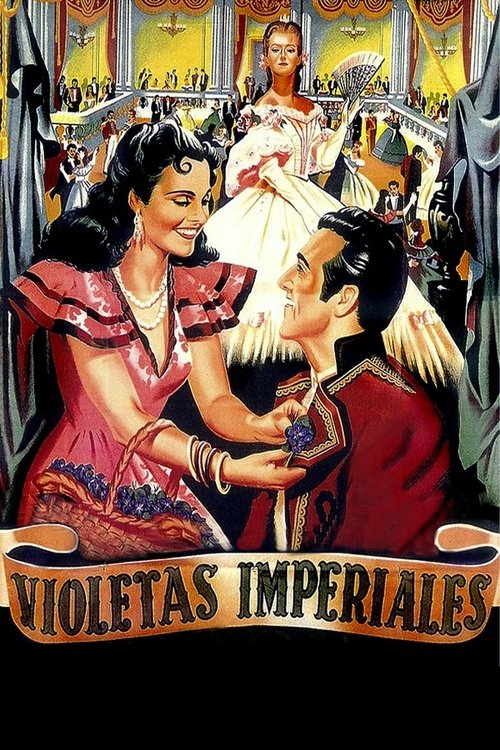
1952
1926

1954
No reviews yet. Be the first to share your thoughts on this movie!
Use the rating form above to leave a star rating and optional review.