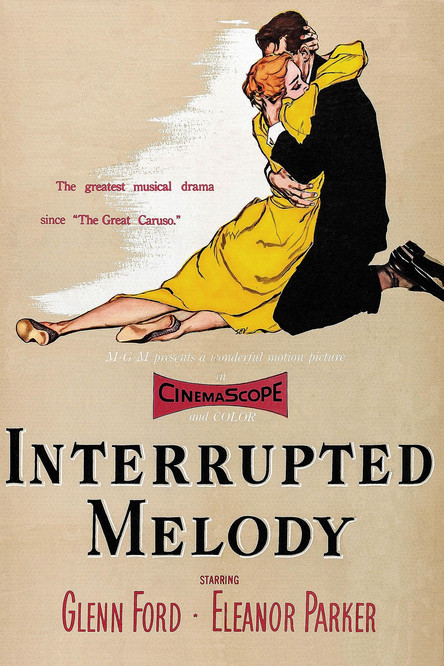
Interrupted Melody
1955
No user ratings available yet
Representation score: 2.7 out of 10
Representation Score
Limited
1951
NRDirector
Richard Thorpe
Runtime
109 minutes
Average Rating
No ratings yetNew Showbiz Analysis
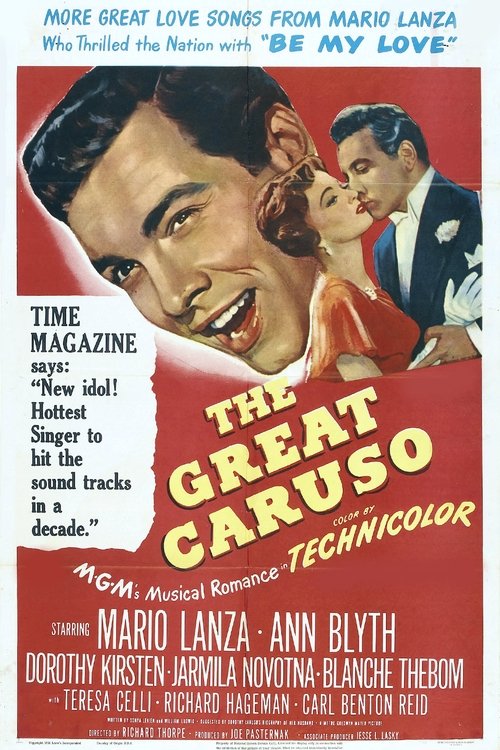
The Great Caruso is a traditional biographical drama that emphasizes the celebration of individual achievement and classical Western artistic traditions. It presents a streamlined account of a historical figure's rise within established societal structures. The film upholds mid-century social norms rather than challenging them. Its narrative structure supports conventional expectations of success and domesticity, focusing on the protagonist's professional journey and personal struggles. While the film offers a focused look at Italian heritage, it lacks broader diversity. It remains a product of its era, adhering to the cinematic standards of the 1950s.
Category Breakdown
The film follows traditional heterosexual relationship models and does not depict any LGBTQ+ identities or same-sex relationships.
Gender roles adhere to mid-century norms, emphasizing male dominance. The female character mainly supports the male protagonist, providing domestic stability.
The cast predominantly features actors of Italian descent, celebrating European high culture without showcasing diverse ethnic backgrounds.
The story aligns with traditional Western values and classical European traditions. Success is portrayed through the lens of established institutions like the Metropolitan Opera.
The protagonist's physical decline is presented as an inevitable part of his career. It serves the plot rather than exploring disability with depth.
Present on Screen
Limited or Absent
Official Synopsis
Enrico Caruso's only passion is to sing. For that, he leaves his hometown of Naples, Italy, and travels to America to sing for the Metropolitan Opera. At first, his lack of education and poor background make him an outcast in the high-class opera world. Eventually, his voice wins him both fans and the hand of his love, Dorothy. But his nonstop pace and desire to perform at any cost eventually take their toll on the singer's health.
1955

1927
1953
1952
1935
1994
1953

1942
No reviews yet. Be the first to share your thoughts on this movie!
Use the rating form above to leave a star rating and optional review.