
The Beloved Vagabond
1936
No user ratings available yet
Representation score: 0.6 out of 10
Representation Score
Minimal
1932
ApprovedDirector
Guido Brignone
Average Rating
No ratings yetNew Showbiz Analysis
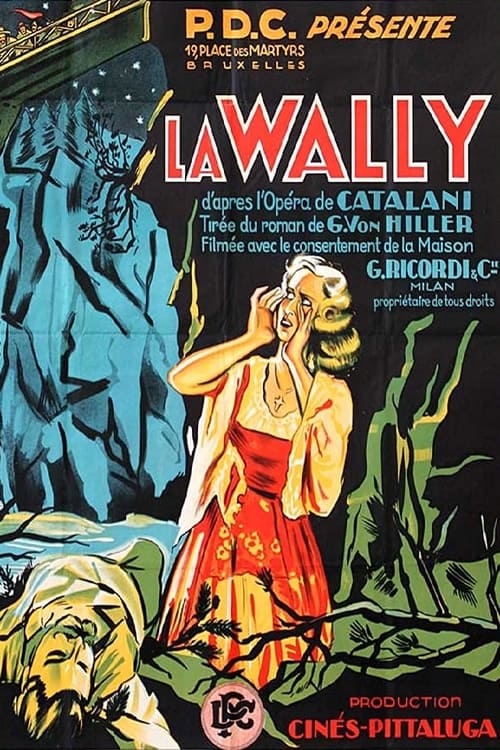
La Wally is an operatic adaptation that emphasizes classical storytelling and romantic fatalism. While the female lead exhibits a degree of spirited independence, the film remains firmly rooted in early 20th-century traditions. The narrative structure follows well-known tragic formulas where female autonomy leads to disaster. This reliance on traditional frameworks limits the film's capacity to challenge social hierarchies or provide progressive representation. Culturally, the film is homogeneous, focusing on a specific European setting without incorporating diverse backgrounds.
Category Breakdown
The film centers on a traditional romantic storyline without featuring any non-straight or non-cisgender identities. It does not challenge the assumption that everyone is straight or cisgender.
The protagonist is a strong-willed woman who offers more depth compared to typical submissive roles. However, her independence results in tragedy, reinforcing traditional gender roles.
The story is set in the Tyrol region and lacks diverse racial or ethnic representation. It does not include characters from different cultural backgrounds.
The film upholds Western dramatic traditions and romantic ideals. It adheres closely to classical storytelling without questioning religious or societal norms.
The narrative does not feature any characters with visible or invisible disabilities.
Present on Screen
Limited or Absent
Official Synopsis
Old fashioned opera adaptation: A feisty and free spirited woman of the Tyrol withdraws to a mountain peak when she is separated from the man she loves. When he later attempts to rejoin her, disaster results.
1936
1937
1930
1953
1935
1938
1985
1956
No reviews yet. Be the first to share your thoughts on this movie!
Use the rating form above to leave a star rating and optional review.