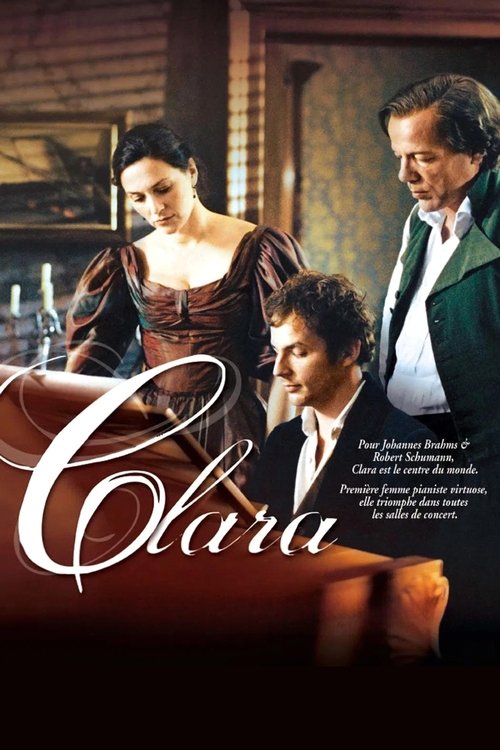
Clara
2008
No user ratings available yet
Representation score: 6.1 out of 10

Representation Score
Fair
1990
Director
Klaus Kinski
Runtime
85 minutes
Average Rating
No ratings yetNew Showbiz Analysis
Paganini is a transgressive biopic that prioritizes the deconstruction of social and religious institutions over demographic inclusion. It uses a chaotic, often nihilistic lens to challenge the moral authority of the 19th-century Western order. While the film lacks significant breakthroughs in racial or LGBTQ+ representation, it achieves impact by framing pillars of society—like the Church—as sites of trauma. The narrative structure is designed to disrupt conventional sensibilities rather than reinforce them.
Category Breakdown
The film explores sexual promiscuity and eroticism, suggesting a departure from strict assumptions about straight relationships. However, it lacks explicit LGBTQ+ identities or queer-coded character arcs.
Female characters are often depicted within cycles of systemic vulnerability, including sexual violence and unwanted pregnancies. The film challenges traditional gender roles by portraying a chaotic, non-patriarchal protagonist.
Set in 19th-century Europe, the film adheres to the historical demographic realities of the era. The cast remains largely homogeneous and lacks diverse ethnic identities.
The narrative critiques the Roman Catholic Church and the sanctity of the family unit. It portrays these traditional institutions through lenses of corruption and systemic oppression.
The film focuses on the psychological intensity of a virtuoso. There is no evidence of characters with physical or neurodivergent disabilities being given real power or depth.
Present on Screen
Limited or Absent
Official Synopsis
Legendary "devil violinist" Niccolo Paganini sets all of 19th century Europe into frenzy.
2008
1998
1953
1994
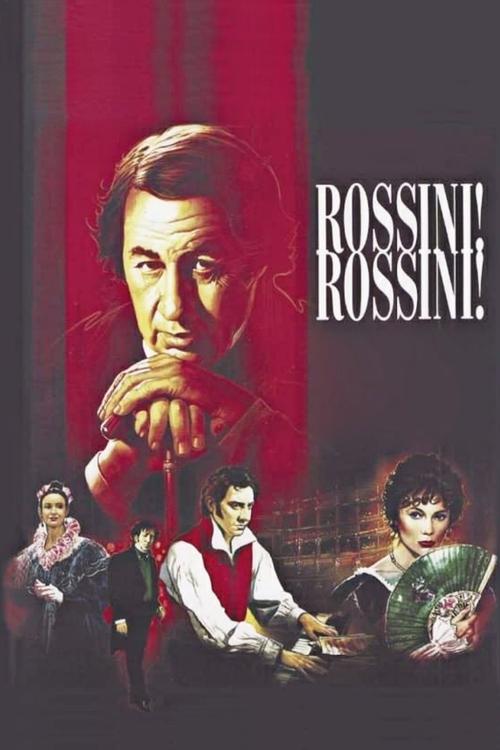
1991
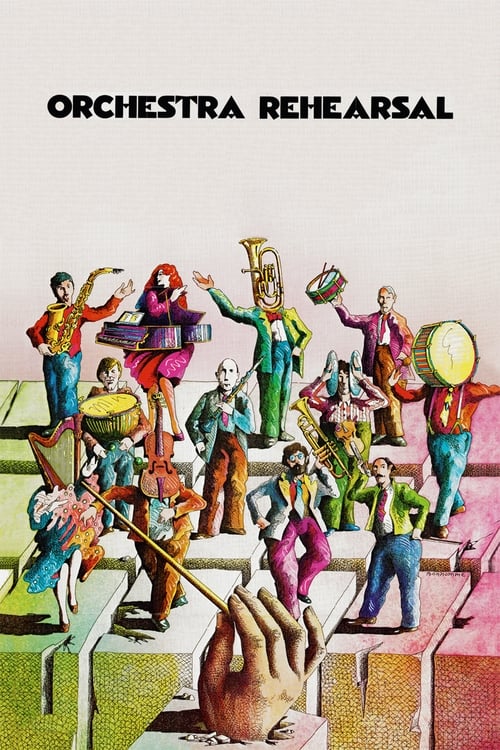
1979

2007
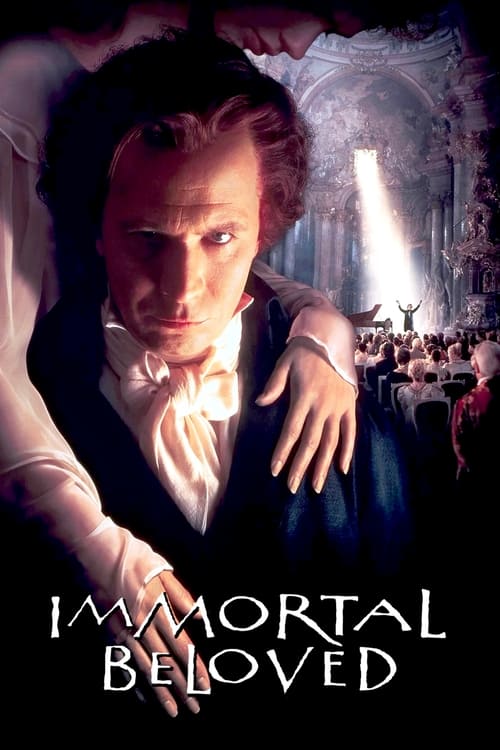
1994
No reviews yet. Be the first to share your thoughts on this movie!
Use the rating form above to leave a star rating and optional review.